US Study Finds Long-Term Car Owners Less Likely to Stay Loyal to Brands
Experian Automotive research shows that American buyers who keep their vehicles for many years are less likely to buy the same brand when they finally replace them.

American car buyers who hold on to their vehicles for longer periods are less likely to return to the same brand when it is time to replace them, according to an Experian Automotive study published in late 2014. The research highlights a marked drop in brand loyalty as ownership length increases, challenging the assumption that long-term satisfaction necessarily translates into repeat business for manufacturers.
The Experian data shows a clear pattern: owners who change vehicles after just 12 months are 57 percent likely to choose the same brand again. That figure falls sharply to just 34 percent for those who keep their cars for 12 years. The most pronounced drop comes at the three-year mark, where loyalty falls by nearly 10 percentage points. The findings suggest that the longer a customer keeps a vehicle, the more likely their circumstances, preferences or the market itself will have changed by the time they are ready to buy again.
Short Leases Keep Buyers in the Fold
Experian’s analysis points to the structure of short-term leases as a major factor in maintaining brand loyalty. Lease customers, typically on fixed cycles of two to three years, are more likely to return to the same dealership or brand when their contract ends. This is partly because the process of returning a leased vehicle and selecting a new one is managed closely by the dealer, keeping the customer within the brand’s ecosystem. In contrast, long-term owners are more exposed to changes in their personal finances, shifting brand line-ups, and evolving credit situations, all of which can influence their next purchase decision.
Ford and Subaru Lead Loyalty Rankings
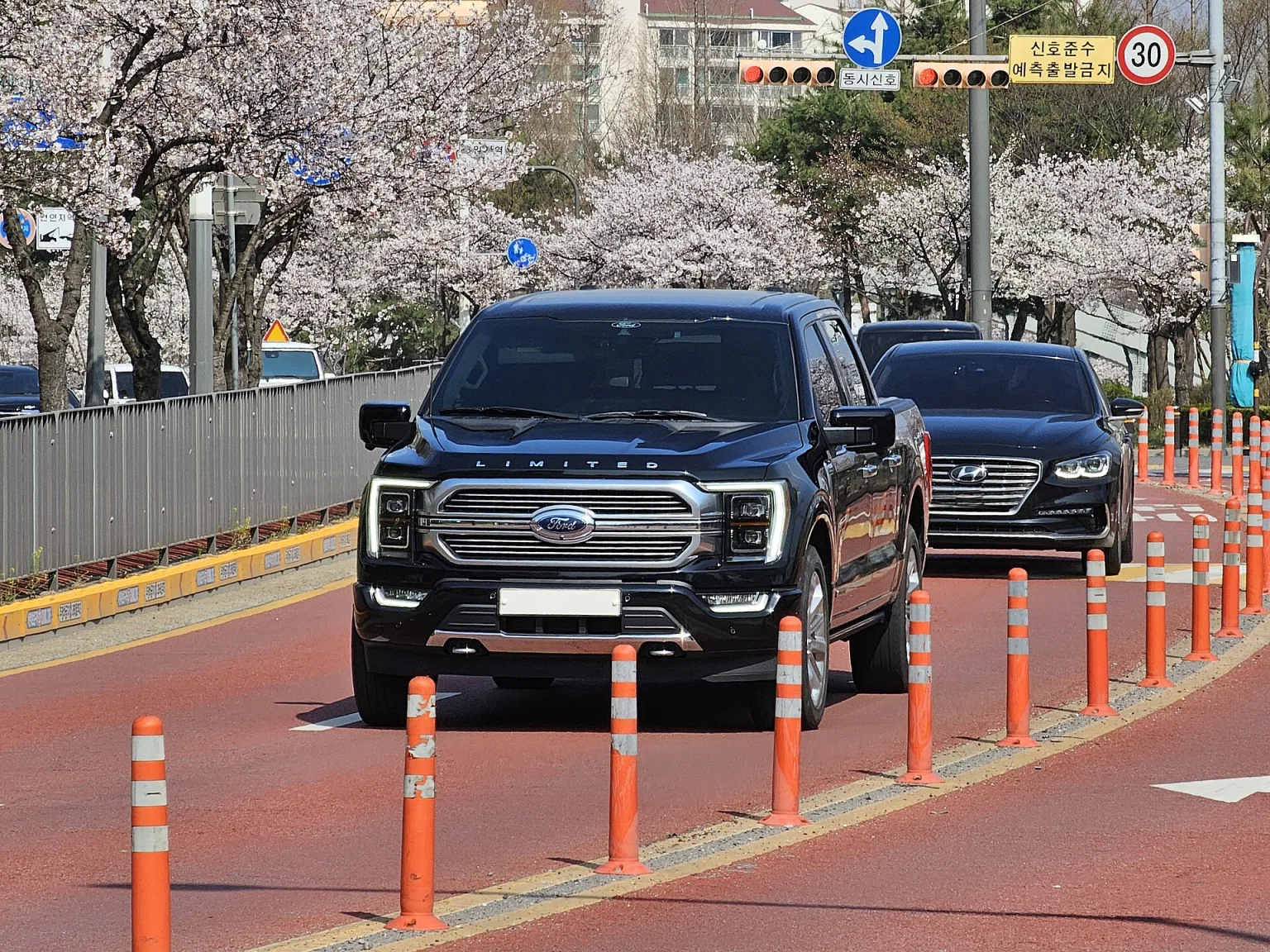
Ford recorded the highest loyalty among US brands, with Subaru in second place. Subaru’s position reflects its strong sales performance in 2014, with double-digit growth and record demand for its line-up. The Japanese brand’s sustained momentum suggests that product appeal and customer experience can offset some of the broader trends identified by Experian, at least in the short to medium term.
Dodge owners were found to keep their vehicles longer on average than Ford buyers, but this did not translate into higher loyalty. The data suggests that frequent engagement with a brand, such as through regular lease renewals or shorter ownership cycles, is more effective in retaining customers than simply relying on long-term satisfaction with a product.
Implications for US Car Brands
For manufacturers and dealers, the findings underline the importance of maintaining regular contact with owners throughout the life of the vehicle, not just at the point of sale or lease renewal. Programmes that encourage more frequent trade-ins or offer incentives for returning customers could help counteract the drop in loyalty seen with long-term ownership. Brands with strong lease portfolios, such as Ford, may continue to benefit from higher retention rates, while others may need to rethink their approach to customer engagement.
For further reading on brand loyalty trends among US carmakers, see Five Car Brands Struggle with US Customer Loyalty.