VW and Audi Push Diesel Engines in the US Market
Volkswagen and Audi have expanded their diesel range in the United States, betting on European-style fuel economy to attract buyers despite a challenging environment for diesel cars.

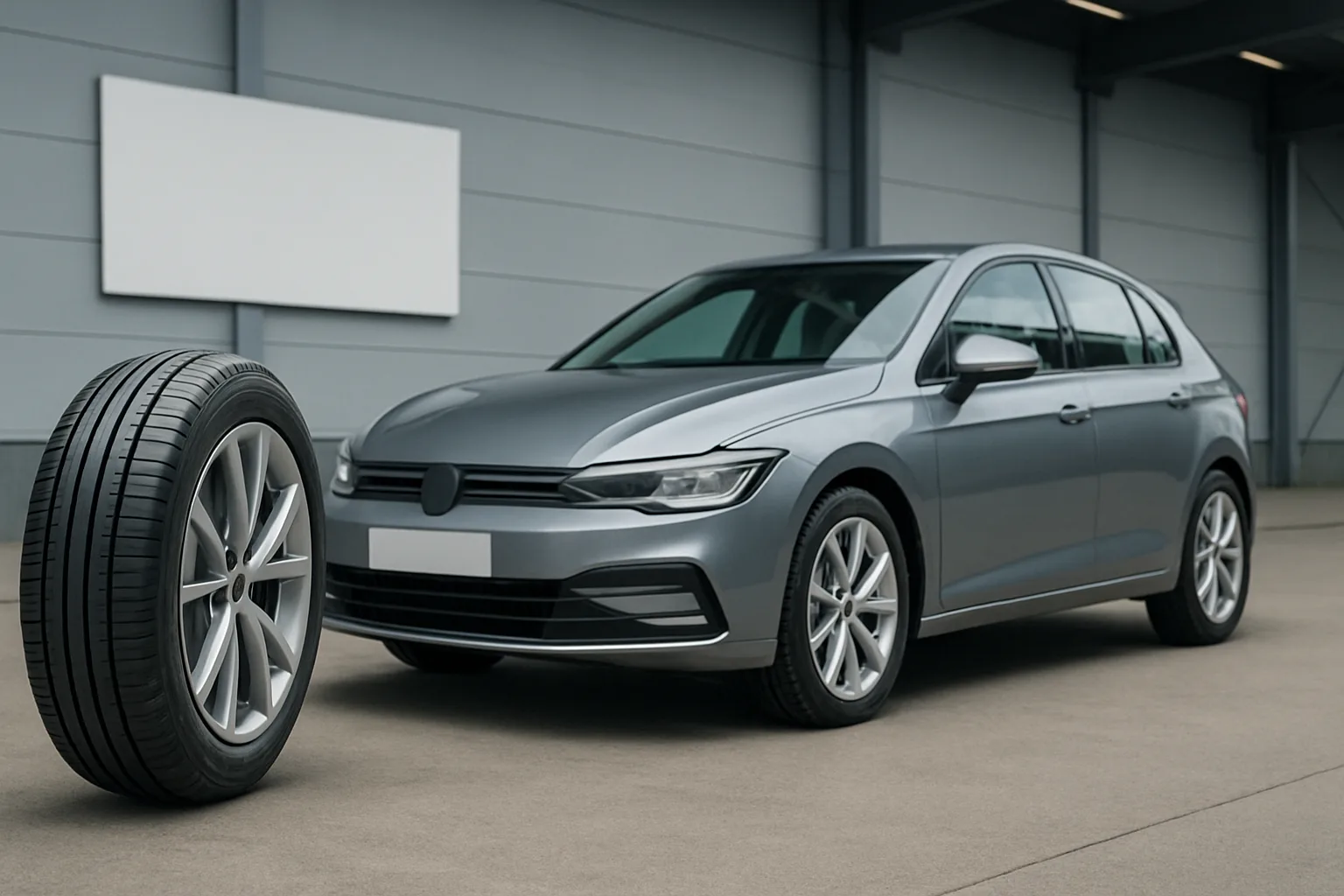
Volkswagen and Audi have stepped up efforts to sell diesel-powered cars in the United States, introducing models such as the Volkswagen Golf Sportwagen TDI and the Audi A3 TDI sedan. Both use a 2.0-litre turbocharged four-cylinder diesel engine producing 150 horsepower and 238 lb-ft of torque, aiming to deliver strong fuel economy without sacrificing performance.
Volkswagen and Audi's Diesel Push in the US
The strategy leans on the brands’ European success with diesels, where they have long dominated the market. In Europe, diesels account for a large proportion of sales thanks to favourable taxation and fuel prices, making them a mainstay for both Volkswagen and Audi. The US, however, has historically been resistant to diesel passenger cars, with most diesel sales limited to pickups and commercial vehicles. While Audi is posting record sales in the US, Volkswagen’s mass-market brand has faced declining numbers, making diesel models a potential differentiator for both brands.
Diesel Models and Pricing
The 2015 Volkswagen Golf Sportwagen TDI starts at $29,095, while the Audi A3 TDI sedan is listed from $32,600. Both models share the same powertrain, offering buyers a choice between a practical estate and a premium compact saloon. The engine’s low-end torque is intended to give quick acceleration, a characteristic often highlighted in European diesel marketing. For American buyers, this means the vehicles are positioned as both efficient and responsive, targeting those who might otherwise choose a petrol-powered alternative.
| Engine | 2.0-litre turbocharged four-cylinder diesel |
|---|---|
| Power | 150 hp |
| Torque | 238 lb-ft at 1,750 rpm |
| Golf Sportwagen TDI price (US) | $29,095 |
| Audi A3 TDI price (US) | $32,600 |
US Market Challenges for Diesel
Volkswagen and Audi’s push comes as petrol engines have become more efficient, narrowing the fuel economy advantage of diesel. Some US states are also considering higher taxes on diesel fuel, and several European governments have begun to discourage diesel use over air quality concerns. This has created uncertainty about the long-term prospects for diesel passenger cars in the US.
American buyers have also shown a preference for petrol engines in cars, with diesel mostly reserved for large trucks. While European diesel models routinely achieve over 50 mpg, US-market diesels have struggled to match those figures, partly due to different emissions standards and driving conditions. The smaller fuel tanks found in some European models have also been criticised as impractical for the longer distances often covered in the US, where cities can be far apart and long-distance driving is more common.
Comparing Diesel in Europe and the US
Diesel vehicles have long been a stronghold for Volkswagen and Audi in Europe. Favourable fuel prices, lower taxes on diesel, and consumer demand for efficient long-distance vehicles have made diesels a significant part of the market. In contrast, the US market has not seen the same enthusiasm. Diesel passenger cars remain a niche, with most Americans associating diesel with heavy-duty trucks or commercial vehicles.
- In Europe, diesel cars can reach fuel economy figures above 50 mpg, making them attractive for frequent motorway drivers.
- US diesel passenger cars are typically rated closer to 35 mpg, partly due to stricter emissions requirements and different driving patterns.
- European diesel models often have smaller fuel tanks, while US consumers prefer larger tanks for longer distances.
Another factor influencing the US market is the growing efficiency of petrol engines. As manufacturers have improved petrol fuel economy, the traditional diesel advantage has diminished. This has made it harder for diesel cars to justify their typically higher purchase price and sometimes higher fuel costs, especially as some states consider increasing diesel taxes.
Consumer Perceptions and Future Prospects
Despite improvements in diesel technology, such as cleaner emissions and better fuel economy, consumer perceptions in the US remain mixed. Diesel engines are still often viewed as noisy or less refined compared to petrol counterparts, and the legacy of older, dirtier diesel engines lingers. Some buyers are open to diesel for its torque and long-range capability, but the majority continue to choose petrol.
The ongoing debate about the future of diesel in both the US and Europe adds further uncertainty. As some European countries move to restrict diesel vehicles in urban areas due to air quality concerns, manufacturers may need to rethink their long-term diesel strategies globally. For now, Volkswagen and Audi’s diesel offerings in the US represent a calculated attempt to carve out a niche among efficiency-focused buyers, but the challenges are significant.