Bugatti Veyron, Nissan GT-R and Porsche 911 Turbo S Join the Sub-Three Second Club
A head-to-head test by Road & Track puts three of the world’s fastest production cars against the clock, with all breaking the 0-60 mph barrier in under three seconds.

In the world of high-performance motoring, few benchmarks are as closely watched as the 0-60 mph sprint. In late 2011, Road & Track magazine assembled three of the most capable production cars of the era for a direct acceleration comparison: the Bugatti Veyron Super Sport, Porsche 911 Turbo S, and the 2012 Nissan GT-R. Each of these models represents a different approach to performance, technology, and price, but all share the distinction of being able to accelerate from rest to 60 mph in less than three seconds, a feat that places them among the elite in automotive engineering.

Showdown: Three Titans of Acceleration
Breaking the Three-Second Barrier
The results of the Road & Track test underline just how advanced modern supercars have become. The Bugatti Veyron Super Sport led the group, recording a blistering 0-60 mph time of 2.52 seconds. Not far behind, the Porsche 911 Turbo S managed the same sprint in 2.84 seconds, while the 2012 Nissan GT-R crossed the line at 2.94 seconds. These times were achieved under comparable conditions, allowing for a true head-to-head comparison.

Such rapid acceleration is not just a matter of raw power. The Veyron’s 8.0-litre quad-turbocharged W16 engine, paired with a sophisticated four-wheel drive system, has made it a benchmark for speed. Meanwhile, the Porsche 911 Turbo S employs a 3.8-litre twin-turbo flat-six, and the Nissan GT-R uses a 3.8-litre twin-turbo V6. Both the Porsche and Nissan also benefit from advanced electronics and all-wheel drive systems, which help to maximise traction and minimise wheelspin. Each car’s launch control system is engineered to deliver as much power as possible to the road, making these sub-three second runs possible even in standard production trim.
0-60 mph Performance and Pricing Compared
| Model | 0-60 mph (s) | Engine | Approx. Price (USD) |
|---|---|---|---|
| Bugatti Veyron Super Sport | 2.52 | 8.0L quad-turbo W16 | $2,400,000 |
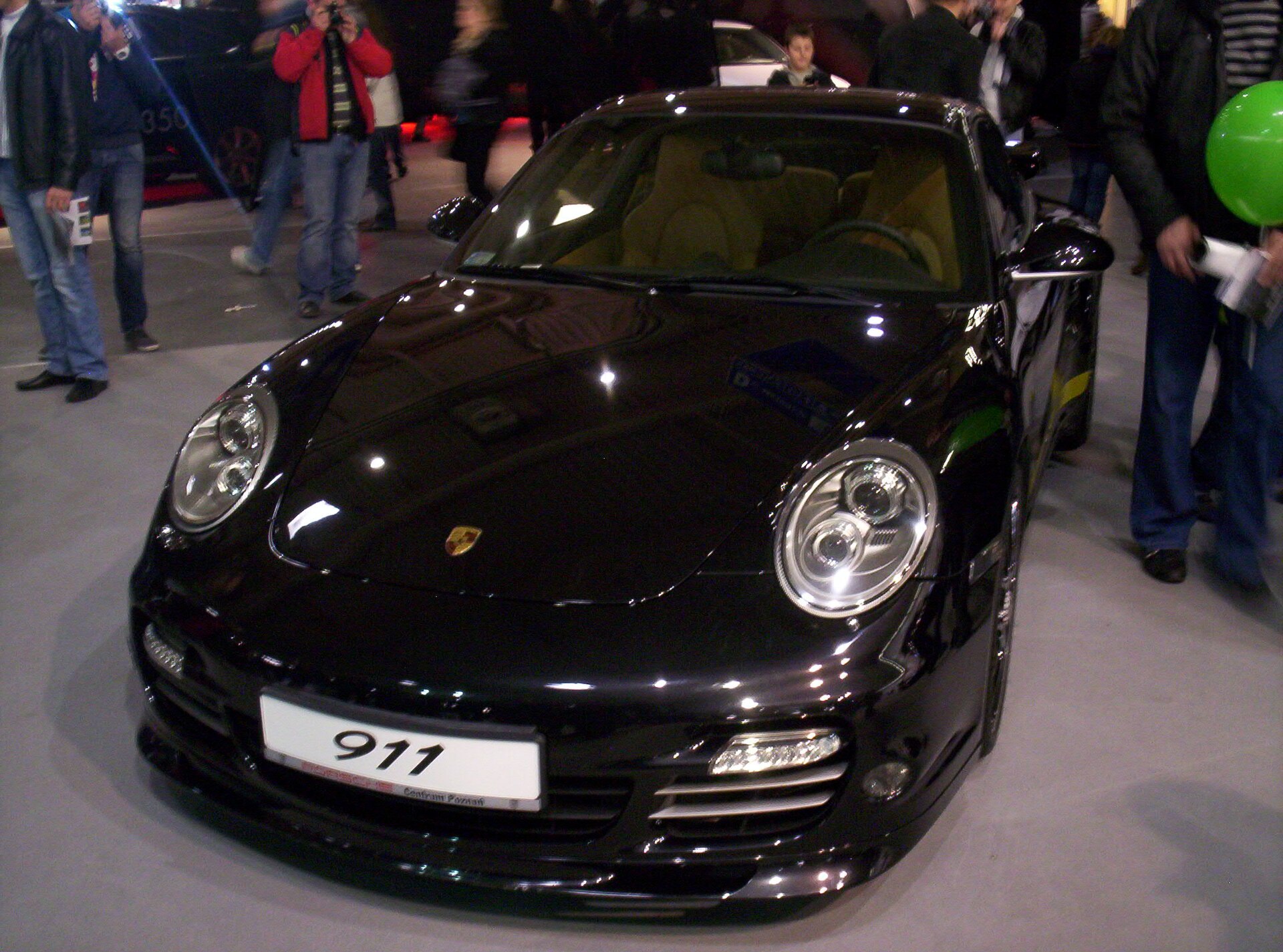
| Porsche 911 Turbo S | 2.84 | 3.8L twin-turbo flat-six | $160,000 |
| 2012 Nissan GT-R | 2.94 | 3.8L twin-turbo V6 | $90,000 |
The price difference between these three cars is as dramatic as their performance similarities. The Bugatti Veyron Super Sport, with its extraordinary engineering and exclusivity, commands a price in the multi-million dollar range. The Porsche 911 Turbo S, while still expensive, is much more accessible to the typical enthusiast, and the Nissan GT-R, often called a “supercar for the people”—offers world-class acceleration at a fraction of the cost. Despite the wide gulf in price, all three cars deliver acceleration that was once the preserve of pure racing machinery, highlighting just how far road-car technology has come in recent years.
What Sets Each Car Apart?
- The Bugatti Veyron Super Sport was the world’s fastest production car at the time, with a top speed exceeding 250 mph. Its complex drivetrain and immense power output made it a technological marvel, but also contributed to its high price and exclusivity.
- The Porsche 911 Turbo S, based on the 997 generation, was the flagship of the 911 range. It offered a blend of everyday usability, advanced chassis electronics, and supercar performance, making it a favourite among those seeking both speed and practicality.
- The 2012 Nissan GT-R represented a major update for the model, with revised engine mapping and launch control helping it achieve its impressive acceleration. The GT-R’s reputation for delivering performance that rivals much more expensive cars made it a standout in the segment.
Technological Innovations and Engineering
Each of these cars demonstrates the impact of advanced engineering on modern performance vehicles. The use of all-wheel drive, sophisticated launch control systems, and turbocharged engines has redefined what is possible for showroom-stock cars. The Veyron’s W16 engine is a feat of mechanical complexity, while the 911 Turbo S and GT-R show how electronics and clever drivetrain management can extract maximum performance from smaller engines. These innovations have filtered down into more mainstream models over the past decade, raising the bar for acceleration and handling across the industry.
Legacy and Influence
The impact of these cars extends beyond their headline figures. The Veyron set new expectations for what a road car could achieve, influencing the development of future hypercars. The Porsche 911 Turbo S continued the legacy of the 911 as a usable yet devastatingly quick sports car, while the GT-R proved that advanced technology could bring supercar performance to a wider audience. Their rivalry in acceleration tests like this one has spurred manufacturers to push the limits even further, benefiting enthusiasts and everyday drivers alike.