Tesla Model S earns five-star rating in NHTSA crash tests
The all-electric Tesla Model S achieved the highest possible safety score from the US National Highway Traffic Safety Administration following a series of crash tests in 2013.
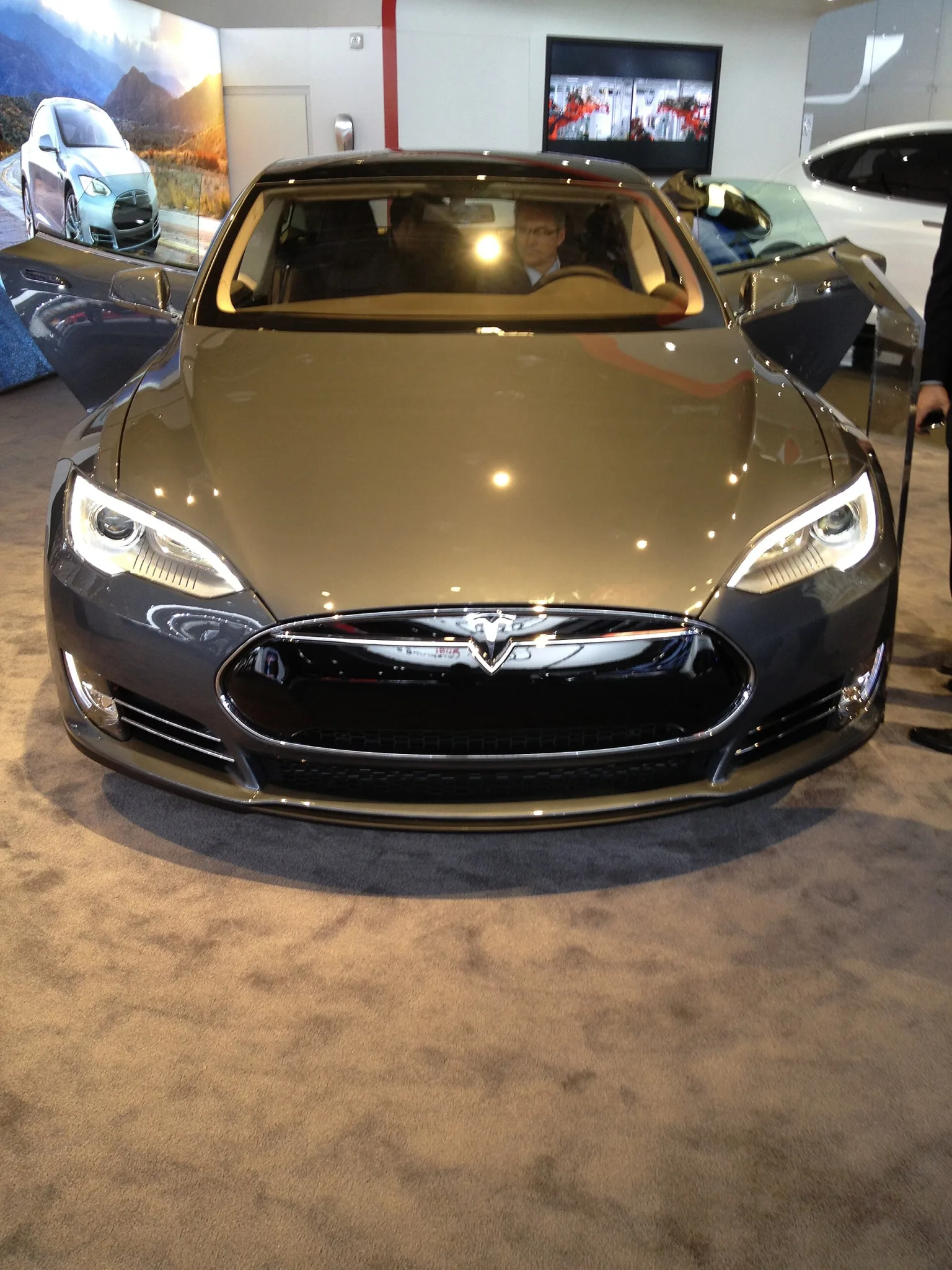
Tesla’s Model S received a five-star overall safety rating from the US National Highway Traffic Safety Administration (NHTSA) after the all-electric saloon underwent a full suite of crash tests in 2013. The result placed the Model S among the highest-rated vehicles for occupant protection in the US market at the time.
Crash test performance and methodology
The NHTSA’s crash evaluation for the Model S covered frontal, side, and rollover scenarios. The Model S achieved five stars in each individual category as well as the overall rating, indicating strong structural integrity and effective restraint systems. The US agency’s testing regime includes a 35mph frontal impact, a 38.5mph side barrier test, and a dynamic rollover assessment. Videos released by the NHTSA showed the Model S maintaining its passenger cell well, with crumple zones absorbing much of the impact energy.
Tesla’s battery pack, mounted low in the chassis, contributed to a low centre of gravity and helped reduce rollover risk. The absence of a large combustion engine in the front also allowed for a larger crumple zone, which may have aided the Model S’s performance in frontal crash tests. The NHTSA’s published results confirmed that the Model S performed at or near the top of the agency’s metrics for injury prevention in all tested scenarios.
Model S range and technical details
At the time of testing, the Model S was offered with several battery and powertrain options. Buyers could choose between 60 kWh and 85 kWh battery packs, with power outputs ranging from 302hp to 420hp depending on the configuration. All variants used a single-speed fixed gear transmission and rear-wheel drive. The Model S was built at Tesla’s Fremont, California plant and was positioned as the first full electric luxury saloon available in the US market.
- 60 kWh version: 302hp
- 85 kWh version: 360hp or 420hp (depending on specification)
- Single-speed transmission
- Assembled in Fremont, California
Context and implications for buyers
The five-star NHTSA rating gave the Model S a strong safety credential to support its appeal as a credible alternative to established luxury saloons. For buyers considering an electric vehicle, the result addressed concerns about crashworthiness and occupant protection. The Model S’s performance also highlighted the potential safety benefits of electric vehicle architecture, with its rigid battery structure and absence of a conventional engine bay.
Tesla published videos of the crash tests, which showed the Model S withstanding severe impacts while maintaining the integrity of the passenger compartment. The NHTSA’s findings, combined with the Model S’s technical specifications and market positioning, helped establish Tesla’s reputation for safety in the early years of its production saloon.