Renault Zoe Owners in Germany Trial Faster, Cheaper Home Charging
Renault Germany and The Mobility House have launched a pilot that lets Zoe drivers charge more quickly and at lower cost using a smart home charging system.
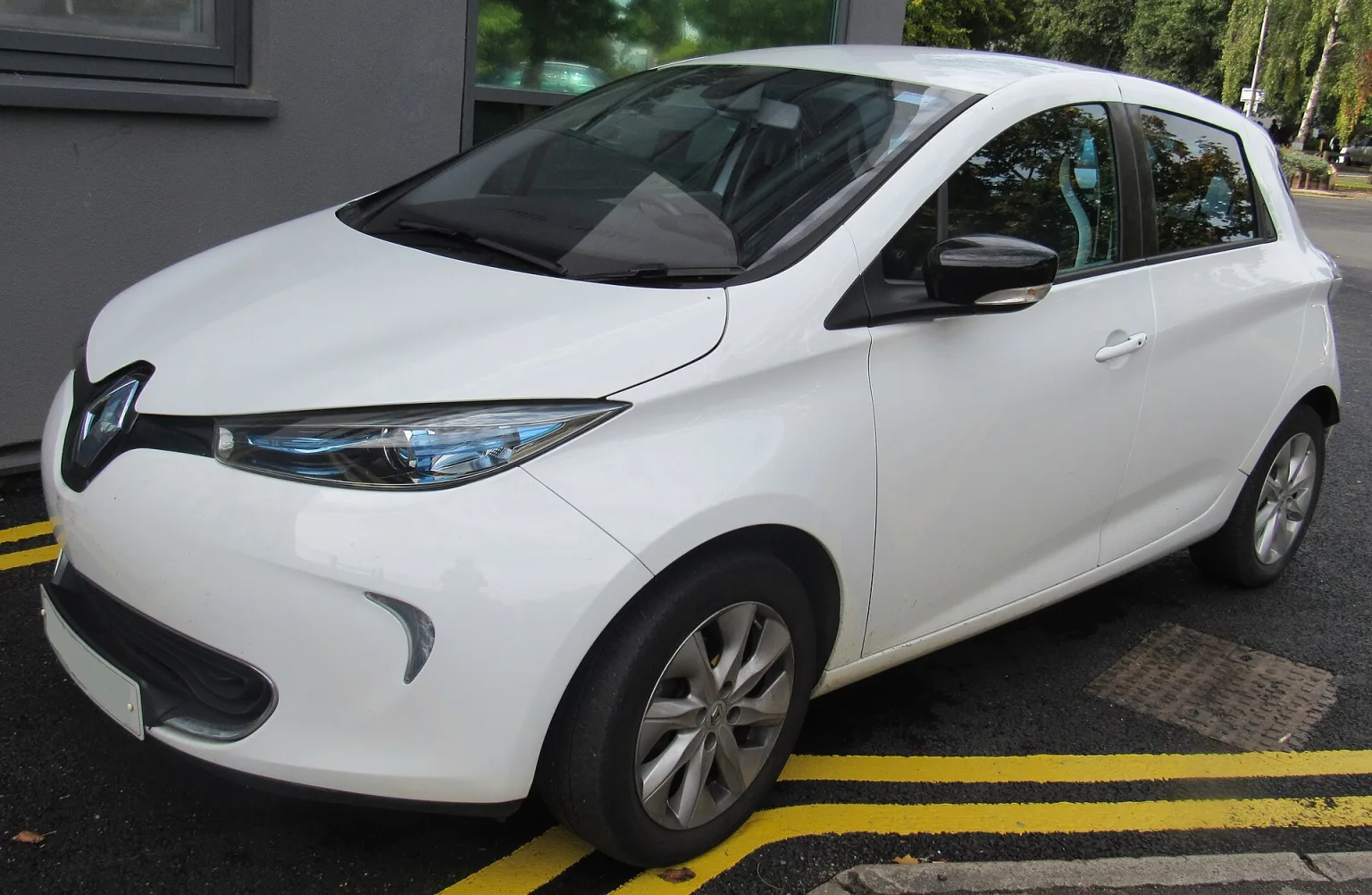
Renault Germany has begun testing a new home charging system for the Zoe electric car that can reduce charging times by up to an hour and cut electricity costs for owners. The pilot, run in partnership with The Mobility House, uses smart charging terminals and energy management software to optimise when and how the car charges from the grid.
Eleven Renault Zoe owners, all employees at Renault Germany, are participating in the trial. Each has a dedicated charging station installed at home. When the car is plugged in, it communicates with Renault’s Global Data Center, which then works with The Mobility House to determine the best time to charge based on real-time electricity prices and grid demand.
The system monitors the cost of electricity and delays charging during peak demand, resuming when prices fall. This allows the Zoe to charge at a faster rate when energy is both cheaper and the grid is less congested. The result, according to Renault and The Mobility House, is a shorter charging time and lower overall charging cost for the user.
How the smart charging system works
- Zoe is plugged into a dedicated smart home charging station.
- The car communicates its charging needs to Renault’s data centre.
- The Mobility House schedules charging to avoid peak electricity prices.
- Charging resumes at higher rates when demand and prices drop.
- Owners benefit from reduced charging time and lower costs.
This approach is an early example of smart grid integration for electric vehicles. By automating the process, it removes the need for owners to manually track electricity prices or adjust charging times themselves. Renault and The Mobility House are also working on additional services, including the potential for owners to feed energy back into the grid, but the current trial focuses on reducing cost and time for charging at home.
Implications for electric vehicle owners
The German trial addresses two of the main concerns for electric vehicle owners: charging speed and cost. If the system proves successful, it could be rolled out more widely, making EV ownership more practical for users who rely on home charging. The technology also points to future developments in smart grids and demand-responsive charging, which could be adopted by other manufacturers and markets.
For now, the trial is limited to Renault employees in Germany, but the collaboration signals Renault’s interest in supporting its EV customers with more efficient charging solutions. The Mobility House continues to develop its technology, with an eye on broader applications as the electric vehicle market grows.