Kia Soul EV Makes European Debut at Geneva Motor Show
Kia has brought the all-electric Soul EV to European audiences at the 2014 Geneva Motor Show, marking the brand’s first production battery-electric vehicle for the region.
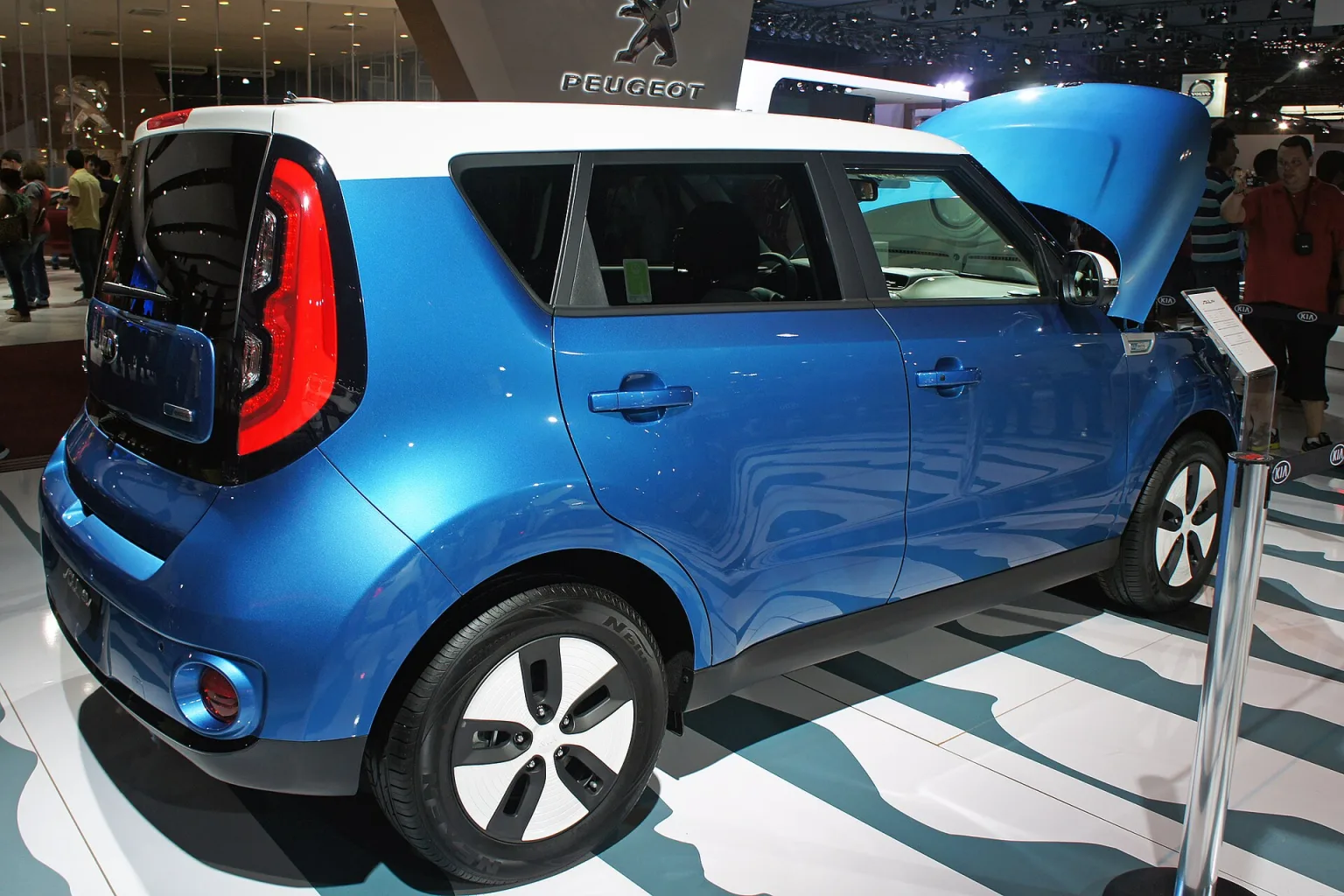
Kia has officially revealed the European version of its Soul EV at the 2014 Geneva Motor Show, following the car’s earlier premiere in Chicago. This unveiling marks an important step for Kia, as the Soul EV is the company’s first battery-electric production model for the European market. The move signals Kia’s entry into the growing segment of zero-emission vehicles, as more manufacturers respond to changing consumer preferences and stricter emissions regulations across Europe.
Kia Soul EV Unveiled at 2014 Geneva Motor Show
Powertrain and Range Details
The Soul EV is powered by a 27 kWh lithium-ion polymer battery, which Kia claims offers a class-leading energy density of 200 Wh/kg at launch. This high energy density is intended to maximise driving range without significantly increasing battery size or weight. Power from the battery is delivered to the front wheels via an electric motor rated at 81 kW (109 hp) and 284 Nm of torque. With this setup, the Soul EV accelerates from zero to 100 km/h in under 12 seconds, with a top speed electronically limited to 145 km/h. Kia states that the Soul EV can achieve a driving range between 129 and 161 kilometres (80 to 100 miles) on a full charge, depending on driving style and conditions.
| Battery | 27 kWh lithium-ion polymer |
|---|---|
| Energy Density | 200 Wh/kg |
| Electric Motor Output | 81 kW (109 hp) |
| Torque | 284 Nm |
| 0-100 km/h | Under 12 seconds |
| Top Speed | 145 km/h (limited) |
| Range | 129-161 km (80-100 miles) |
Design and Practicality Changes
Visually, the Soul EV sets itself apart from the petrol and diesel versions with a unique front fascia. The most notable change is the redesigned front end, which houses the charging port behind a panel integrated into the grille area. Other subtle styling cues further distinguish the EV from its conventionally powered siblings, making it easily recognisable to environmentally conscious consumers.
To accommodate the 27 kWh battery pack, Kia has made changes to the Soul’s interior packaging. The boot capacity is now 541 litres, which is less than the conventional Soul but remains practical for everyday use. This compromise is typical for electric vehicles that must find space for large battery packs, yet the Soul EV still offers a usable amount of cargo room for urban drivers and small families.
Market Context and Expectations
Kia’s decision to introduce the Soul EV in Europe reflects a broader industry trend towards electrification. The company aims to test European demand for battery-electric vehicles with this model, targeting urban buyers and those looking to reduce their environmental impact. The Soul EV is positioned as a practical alternative for city drivers who are considering a shift away from combustion engines. Early adopters in the electric segment have faced mixed results, but Kia’s entry suggests growing confidence in the market’s potential.
The Hyundai-Kia group has taken a split approach to alternative powertrains, with Hyundai focusing on fuel cell electric vehicles and Kia investing in battery-electric technology. This strategy allows the group to explore both major paths in the transition away from traditional internal combustion engines. The Soul EV’s launch at Geneva is a clear indication of Kia’s commitment to expanding its electric vehicle line-up in response to evolving consumer and regulatory demands.
Comparison with Other Geneva Debuts
At the 2014 Geneva Motor Show, the Soul EV is among several new models showcasing alternative powertrains and compact design. Manufacturers such as Opel and Peugeot also used the event to highlight new vehicles targeting urban mobility and low emissions. For example, the Opel Astra Extreme and Peugeot 108 both made appearances, each with their own approach to efficiency and performance. While the Soul EV is not the only electric or low-emission car on display, it stands out as Kia’s first attempt at a mass-market battery-electric vehicle for Europe.
- Opel Astra Extreme: Performance hatchback with lightweight construction
- Peugeot 108: New city car with multiple variants, including low-emission options
Outlook for the Kia Soul EV
The Soul EV’s debut at Geneva represents a significant milestone for Kia as it enters the European electric vehicle market. With its distinctive design, practical range, and focus on urban usability, the Soul EV is positioned to attract environmentally conscious buyers and those interested in new automotive technologies. Its success will depend on how European consumers respond to the growing presence of electric vehicles and how Kia continues to develop its alternative powertrain offerings in the years ahead.