Ferrari 2016 F1 Car Passes FIA Crash Test After Multiple Attempts
Ferrari’s 2016 Formula One car, codenamed 667, cleared the FIA’s frontal impact test in Italy after several tries, paving the way for its pre-season debut in Barcelona.
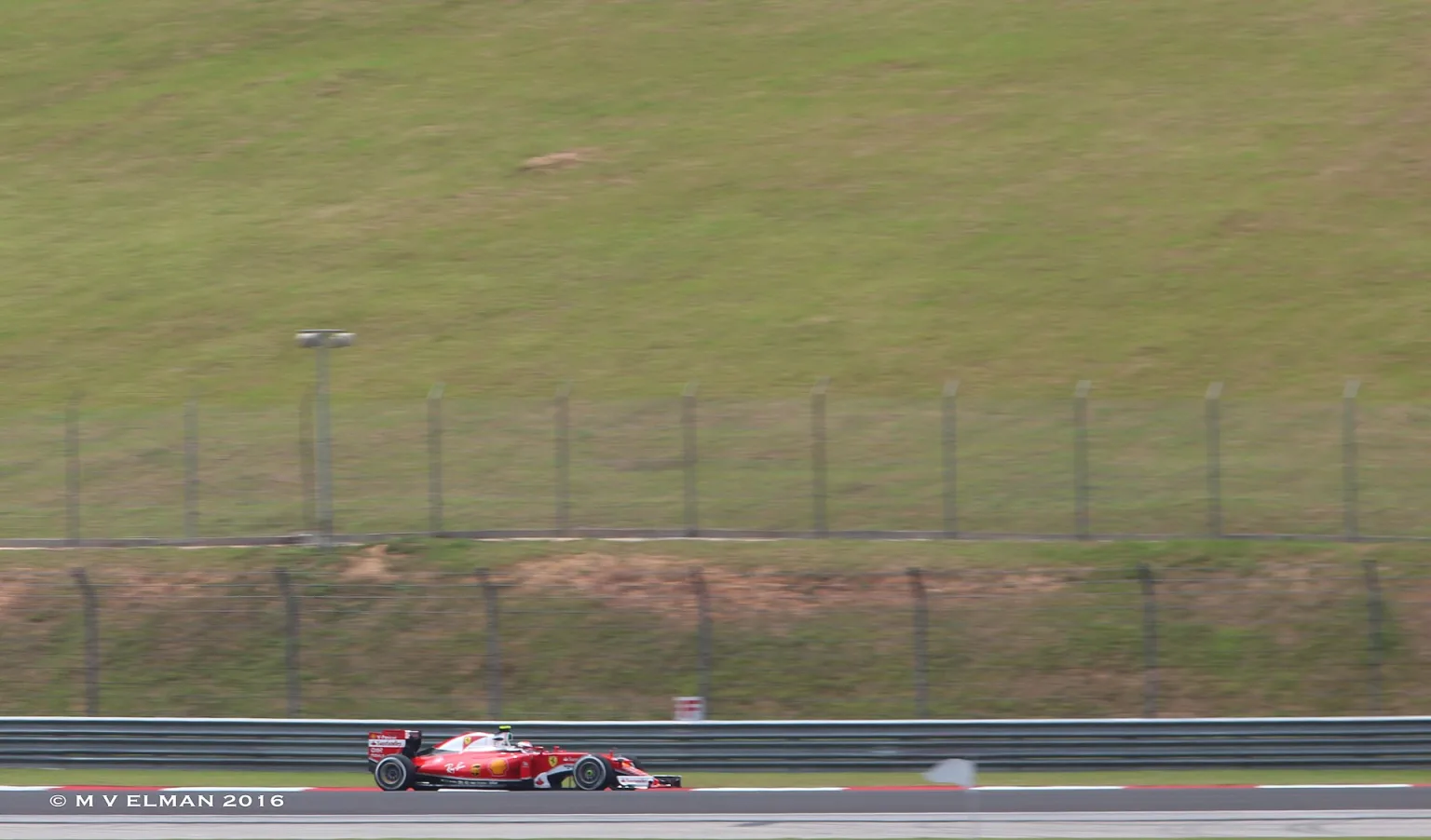
Ferrari’s new Formula One car for the 2016 season, known internally as project 667, has passed the FIA’s mandatory frontal impact test at the CSI technical centre in Bollate, Italy. The milestone was confirmed by Italian specialist outlet Omnicorse, which reported that the car required several attempts before clearing the test.
The successful crash test means Ferrari remains on course to run the new car at the opening pre-season session in Barcelona. The test, which is compulsory before any on-track activity, had previously posed a challenge for Ferrari’s engineers, with the latest attempt following an unsuccessful run around ten days prior. According to La Gazzetta dello Sport, the 2016 car’s nose is notably shorter than the 2015 version, a design change likely aimed at meeting both aerodynamic and regulatory demands.
Design changes for 2016
Reports suggest the new Ferrari’s rear packaging is tighter than before, thanks to a revised engine layout and a smaller carbon-fibre gearbox. These changes are intended to improve airflow and overall efficiency, reflecting the ongoing development race among F1 constructors. The shorter nose, which contributed to the multiple crash test attempts, is a response to the latest safety and aerodynamic regulations imposed by the FIA.
Implications for pre-season testing
With the crash test hurdle cleared, Ferrari is now expected to join rivals at the first official pre-season test in Barcelona. The team’s ability to field the new car on schedule is crucial, given the reduced number of testing days for 2016, a change that has drawn criticism from some quarters. For more on this, see Boullier critical as F1 slashes 2016 testing days.
Ferrari’s focus now shifts to optimising the car’s performance ahead of the season opener. The technical changes, particularly at the front and rear, will be under scrutiny during the first runs in Spain.