German Town’s Female-Only Parking Spots Spark Debate
Triberg’s mayor drew attention in July 2012 by designating twelve well-lit, wider parking spaces for women, while assigning more difficult spots to men as a tongue-in-cheek move.
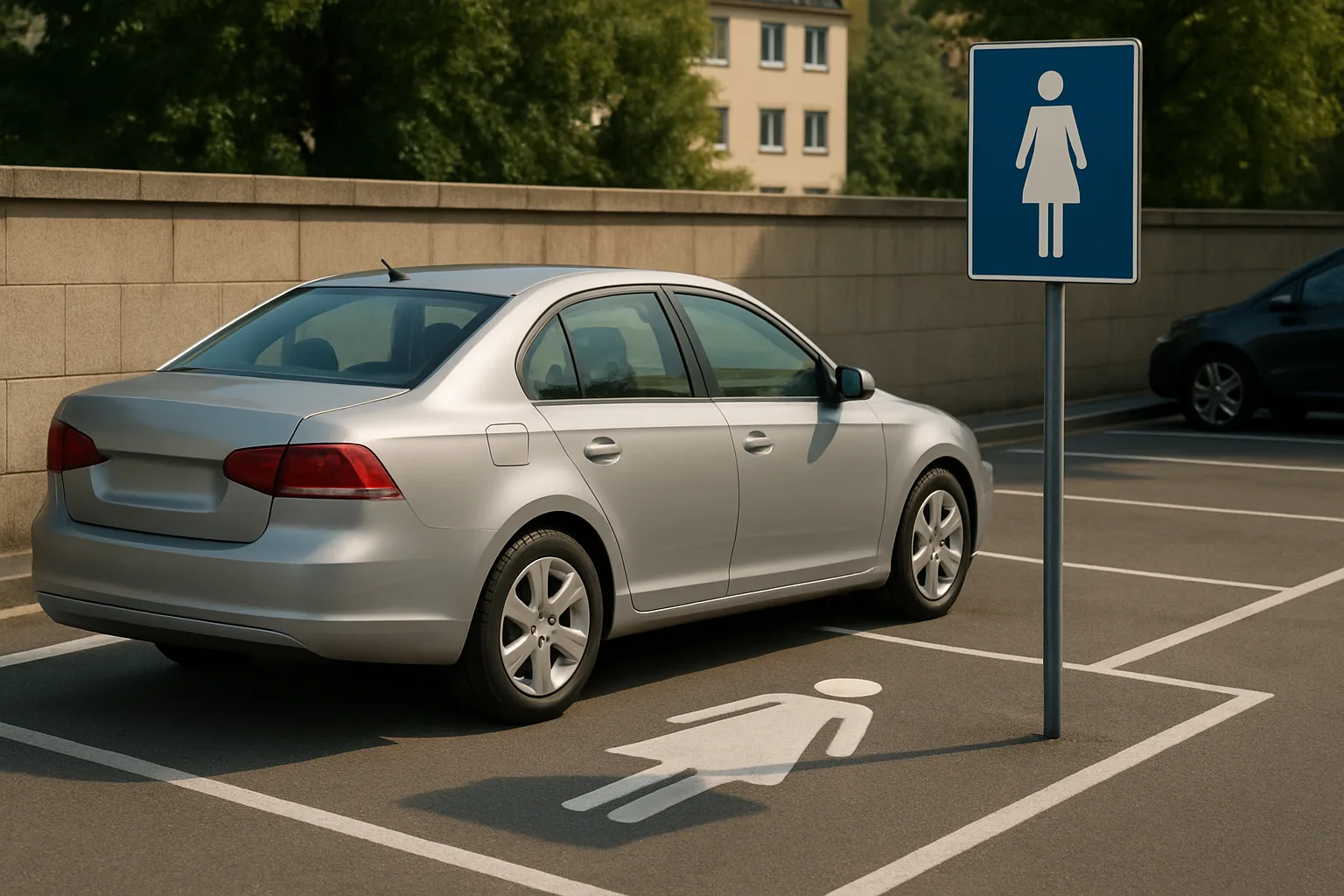
Twelve parking spaces in Triberg, a small town in Germany’s Black Forest, were designated for women only in July 2012. Mayor Gallus Strobel introduced the scheme as part of a new public car park, assigning the most accessible and well-lit spaces to female drivers, while reserving two particularly awkward spots for men.
The female-only spaces are wider than standard, positioned for ease of access and fitted with brighter lighting. The two male-assigned spaces, by contrast, are wedged between concrete pillars at an angle to the road, making them more challenging to use. Strobel explained that these spots were not ideal for general use and said the decision was partly tongue-in-cheek, inviting men to take on the challenge if they wished.
Strobel’s comments on men being “better drivers” and the allocation of the most difficult spaces to them were intended as a joke, but the move quickly attracted national and international coverage. While some residents and observers took the decision in good humour, others criticised it as outdated or sexist. One female critic accused the mayor of “male pig-headedness”, while Strobel himself described the overall response as more positive than expected.
Parking design and gender in Germany
Female-only parking spaces are not unique to Triberg. In several German cities, local authorities have introduced similar measures, often citing safety concerns. These spaces are typically located close to exits or lifts and are better lit, aiming to improve security for women, particularly at night. In Triberg’s case, the mayor openly acknowledged the marketing aspect of the decision, saying he had “hit a raw nerve in society”.
The Triberg scheme differs from other German examples by including explicitly male-assigned spaces, which are deliberately harder to use. Strobel said women were welcome to use these if they wanted a challenge, but the signage and publicity focused on the gendered allocation. The move prompted debate about whether such designations help or hinder efforts to make public spaces more inclusive.
A local decision with global attention
Within days, the story had reached international media. Strobel said he had spent much of the day fielding calls from journalists and expected television crews to arrive. He described the attention as evidence that the subject struck a chord beyond Triberg, and said he was pleased with the publicity generated for the town.
The Triberg parking spaces remain a talking point for visitors and locals, and the mayor’s marketing gamble succeeded in putting the town on the map, at least briefly, for reasons beyond its usual Black Forest tourism.