Ford to Assemble Ranger Pickups in Nigeria for West African Market
Ford will begin assembling the Ranger in Nigeria with Coscharis Motors, aiming for 5,000 units a year to supply the local market and potentially West Africa.
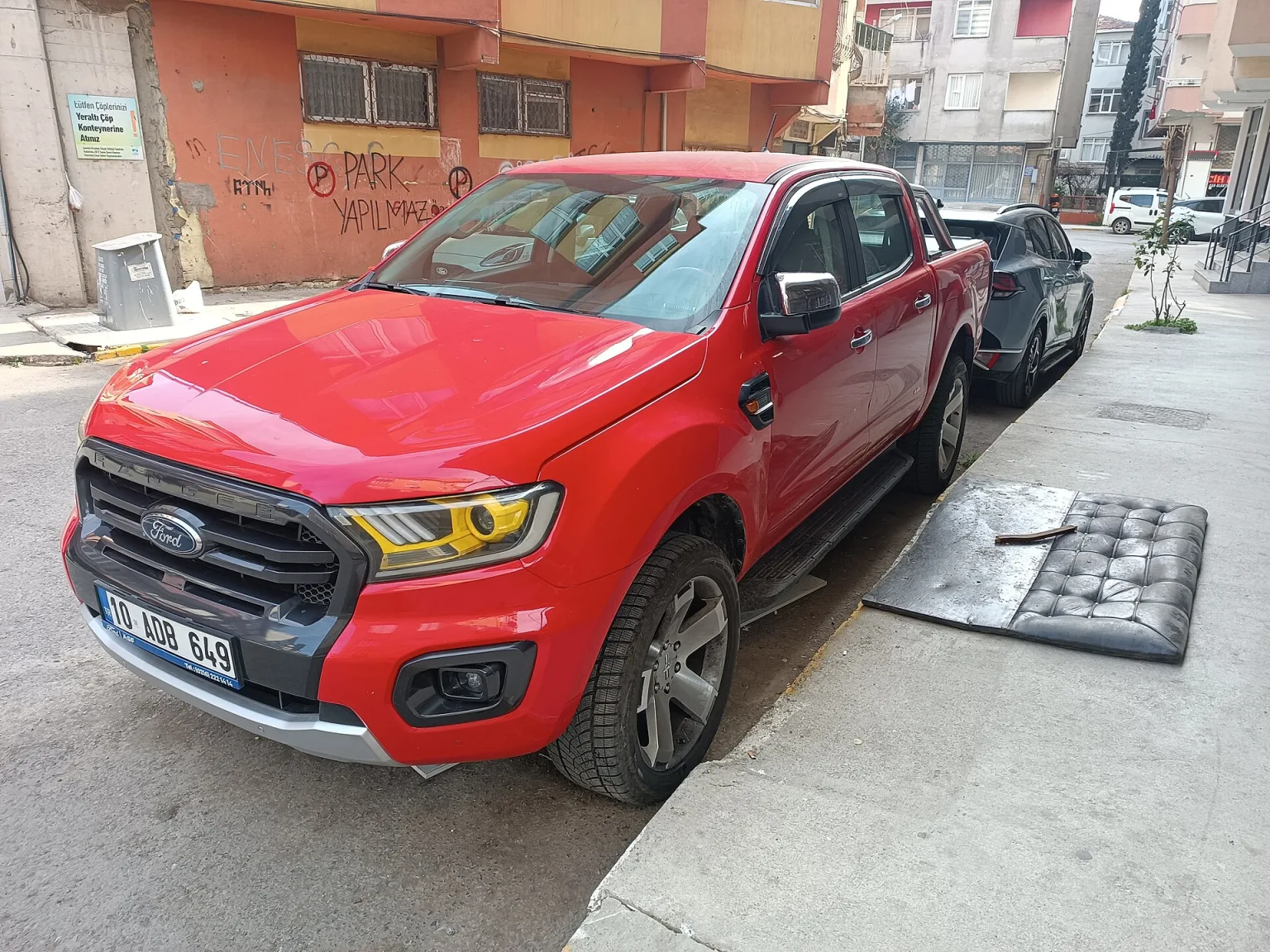
Ford confirmed it will start assembling the Ranger pickup in Nigeria in partnership with Coscharis Motors, marking its first production operation in West Africa outside South Africa. The new facility, located in Ikeja near Lagos, is scheduled to begin operations in the fourth quarter of 2015 with an initial capacity of 5,000 units per year.
The Ikeja plant will assemble Rangers from semi-knocked down kits shipped from Ford’s South African operation, which already produces 85,000 units annually for 24 African markets. The Nigerian output is intended primarily for the domestic market, but Ford has indicated that the facility could serve as a base for wider West African distribution as demand develops.
Ford’s Expansion Strategy in Africa
Nigeria is the largest economy in Africa but remains dominated by imports of used vehicles, with limited consumer finance and a lack of local supplier investment. Ford’s move follows similar announcements by Renault-Nissan, Kia and Volkswagen, all seeking to establish a foothold in Africa’s most populous nation. The company’s regional head described Nigeria as a priority market for sub-Saharan Africa, citing its growth potential despite current challenges.
Ford’s South African plant remains the main production hub for the Ranger on the continent, supplying 148 markets globally. The Nigerian operation will not replace South African exports but is intended to localise assembly for West Africa, reducing lead times and import costs for customers in the region. The company has not announced plans for full manufacturing or local component sourcing at this stage.
Competition and Local Market Conditions
Other manufacturers are also targeting local assembly in Nigeria. Renault-Nissan, Kia and Volkswagen have all outlined plans to begin or expand production in the country, aiming to capitalise on government incentives and growing demand for new vehicles. Nigerian buyers currently rely heavily on used imports due to limited financing options and a lack of established local industry.