Alpine brings multi camera safety tech to commercial vehicles
Alpine’s multi camera system combines real-time video and navigation data to help eliminate blind spots and improve manoeuvring for trucks and buses.
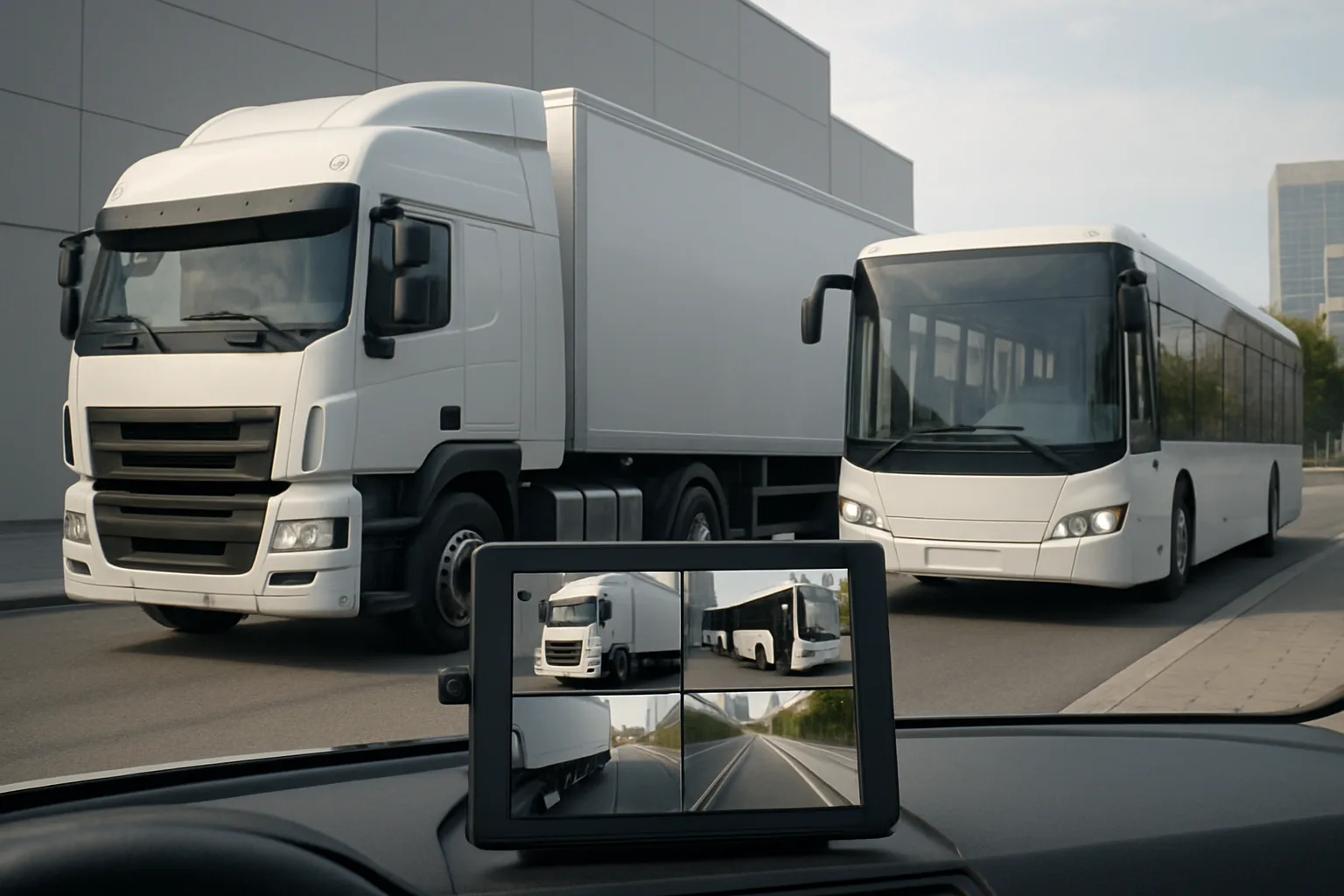
Alpine has developed a multi camera system for commercial vehicles, aiming to cut blind spot accidents and make manoeuvring large vehicles safer. The technology integrates multiple cameras with navigation data to provide drivers with a real-time, comprehensive view around their truck or bus.
How Alpine’s multi camera system works
The system mounts cameras at key points around the vehicle. At the front, a camera covers both left and right views as well as straight ahead, helping drivers at blind intersections such as T-junctions. Side cameras address the persistent problem of blind spots, especially for left-hand drive lorries operating in right-hand traffic environments like the UK, where the right side of the vehicle can be difficult to monitor.
A key feature is the “Top View” function. By combining input from several cameras, the system creates a real-time plan view of the vehicle and its immediate surroundings. This overhead perspective allows drivers to see all four sides at once, making it easier to park, reverse into loading bays or manoeuvre in tight spaces without risking contact with obstacles or pedestrians.
Addressing commercial vehicle safety risks
Insurance data has long shown that blind spots on heavy goods vehicles are a major contributor to accidents, especially on motorways. Left-hand drive lorries in the UK are particularly susceptible to collisions when changing lanes, as the driver’s field of vision is limited on the right side. Alpine’s side camera coverage directly targets this issue, aiming to reduce sideswipe incidents and improve overall motorway safety.
The technology could also help reduce minor collisions and property damage when reversing or manoeuvring in depots, which are common sources of insurance claims and operational delays for fleet operators. For bus operators, the system’s ability to monitor passengers as they disembark or cross in front of the vehicle adds another layer of safety in urban environments.
Integration and rollout
Alpine has indicated that the multi camera system is likely to be offered as a factory fit on new commercial vehicles. Although prototypes have been tested on passenger cars, the company sees the most immediate benefit for large trucks and buses, where blind spots and low-speed manoeuvring risks are most acute.
The company suggested in 2009 that the technology could reach production vehicles within three years. While Alpine has not provided a more recent update, the underlying demand for safety improvements in commercial fleets remains strong, especially as regulators and insurers continue to focus on accident reduction.