Lawson promoted to seventh after Leclerc penalty at Brazilian Grand Prix
Stewards handed Charles Leclerc a five-second penalty for contact with Liam Lawson in wet conditions, moving Lawson up to seventh in the 2026 Brazilian Grand Prix.
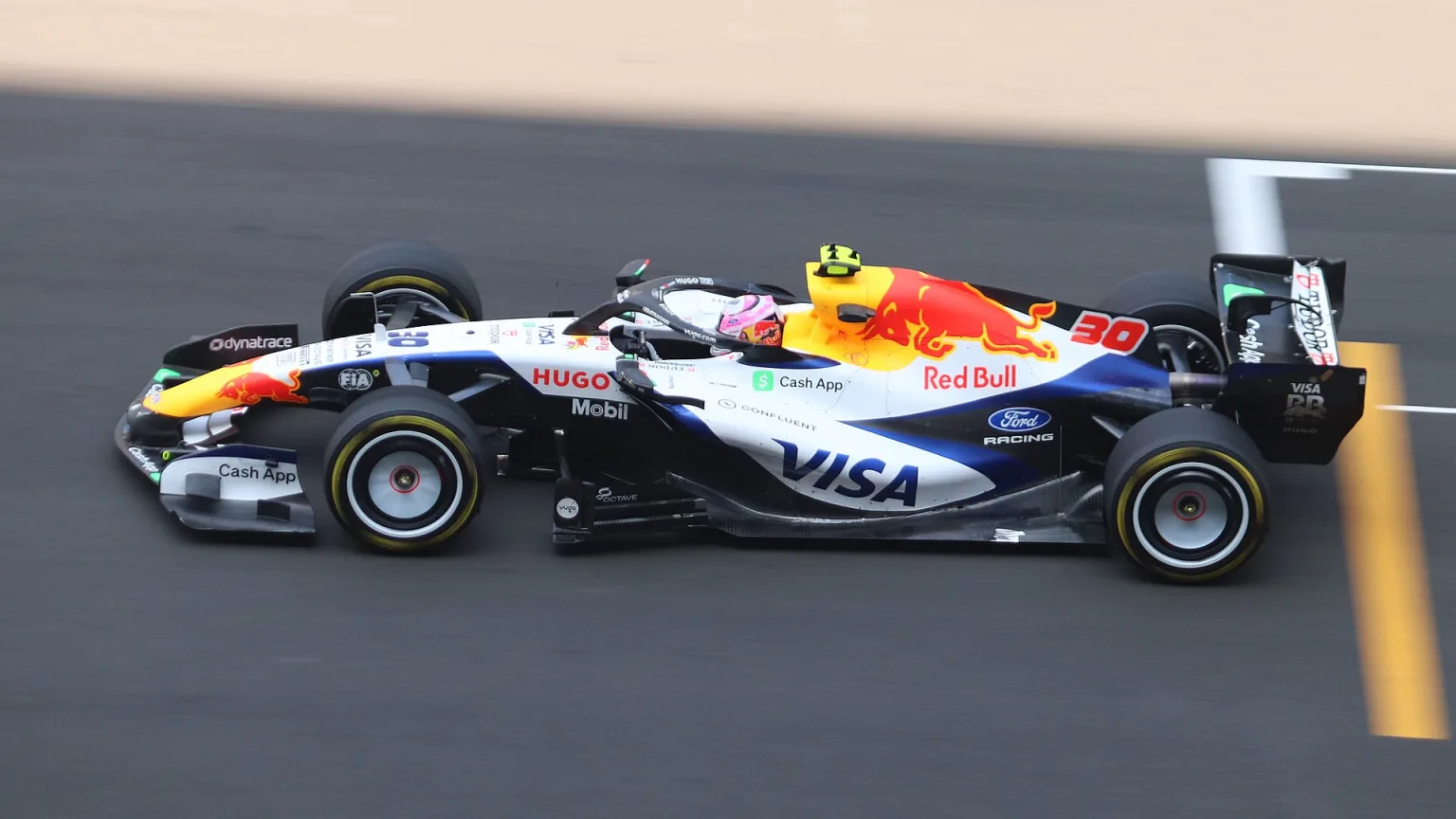
Liam Lawson was classified seventh in the 2026 Brazilian Grand Prix after stewards imposed a five-second penalty on Charles Leclerc for a collision between the two drivers at Juncao. The penalty altered the final order, moving Lawson ahead of Leclerc in the results. The incident occurred at the end of lap 69 as Leclerc began overtaking Lawson in wet conditions. Stewards determined that Leclerc made minor contact with Lawson, which allowed him to close the gap and complete the pass. While the contact was not severe, officials judged it had a direct influence on the outcome between the pair.
Lawson Moves Up After Leclerc Penalised for Collision
Details of the Collision and Penalty
The collision between Leclerc and Lawson took place at the Juncao corner, a known overtaking spot at Interlagos. With rain affecting the track surface, both drivers were struggling for grip. As Leclerc attempted to pass on the inside, his car made light contact with Lawson’s, unsettling the New Zealander’s car just enough for Leclerc to complete the move. The stewards reviewed video footage and telemetry before deciding that the contact, though not heavy, was significant enough to warrant a penalty since it directly affected the position between the two drivers.
Given the slippery track and the relatively light nature of the contact, the stewards opted for a five-second time penalty rather than the standard ten seconds. This decision reflected both the conditions and the limited impact of the collision itself. The penalty dropped Leclerc behind Lawson in the final classification, changing the points allocation for both drivers.
Stewards' Reasoning and Precedent
Penalty decisions in Formula 1 often take into account weather conditions, the intent of the drivers, and the consequences of the incident. In this case, the stewards noted that the wet track contributed to the incident, and that Leclerc’s move was not reckless but still resulted in an advantage gained by contact. The five-second penalty was therefore seen as proportionate to the circumstances. This approach is consistent with previous rulings where mitigating factors, such as rain or minimal damage, have led to reduced penalties.
Other Incidents: Antonelli's Penalty
Elsewhere in the race, Andrea Kimi Antonelli was handed a five-second penalty for an unsafe release into the path of Franco Colapinto during a pit stop. Unlike the penalty issued to Leclerc, Antonelli’s penalty did not change his finishing position, as he had built enough of a gap to the car behind. The incident highlighted the importance of safe pit stop procedures, especially in wet conditions when visibility and braking distances are compromised.
Consequences for the Drivers and Teams
Lawson’s promotion to seventh place earned him additional points, which could prove significant in the tightly contested midfield battle in the constructors’ championship. For Leclerc, the penalty meant a drop in points and a missed opportunity to finish higher up the order. Such penalties can have lasting effects on both driver and team standings as the season progresses.
- Liam Lawson classified seventh after Leclerc’s penalty.
- Leclerc penalised five seconds for minor collision at Juncao.
- Contact judged to have enabled Leclerc’s overtake on Lawson.
- Penalty reduced due to wet conditions and minor contact.
- Antonelli received a five-second penalty for unsafe release, with no effect on his result.