F1 Faces Scrutiny Over Special Deals for Top Teams
Formula One's financial arrangements with its biggest names, including Ferrari's historic bonus and Red Bull's star driver privileges, have reignited debate about fairness on the grid.
Formula One's commercial and sporting structure remains under fire as rivals and fans question the sport's willingness to offer special deals to its most prominent teams and drivers. At the centre of the latest controversy is the continued financial bonus paid to Ferrari and the open admission from Red Bull that Max Verstappen receives preferential treatment within his team.
Ferrari's historic payment and F1's defence
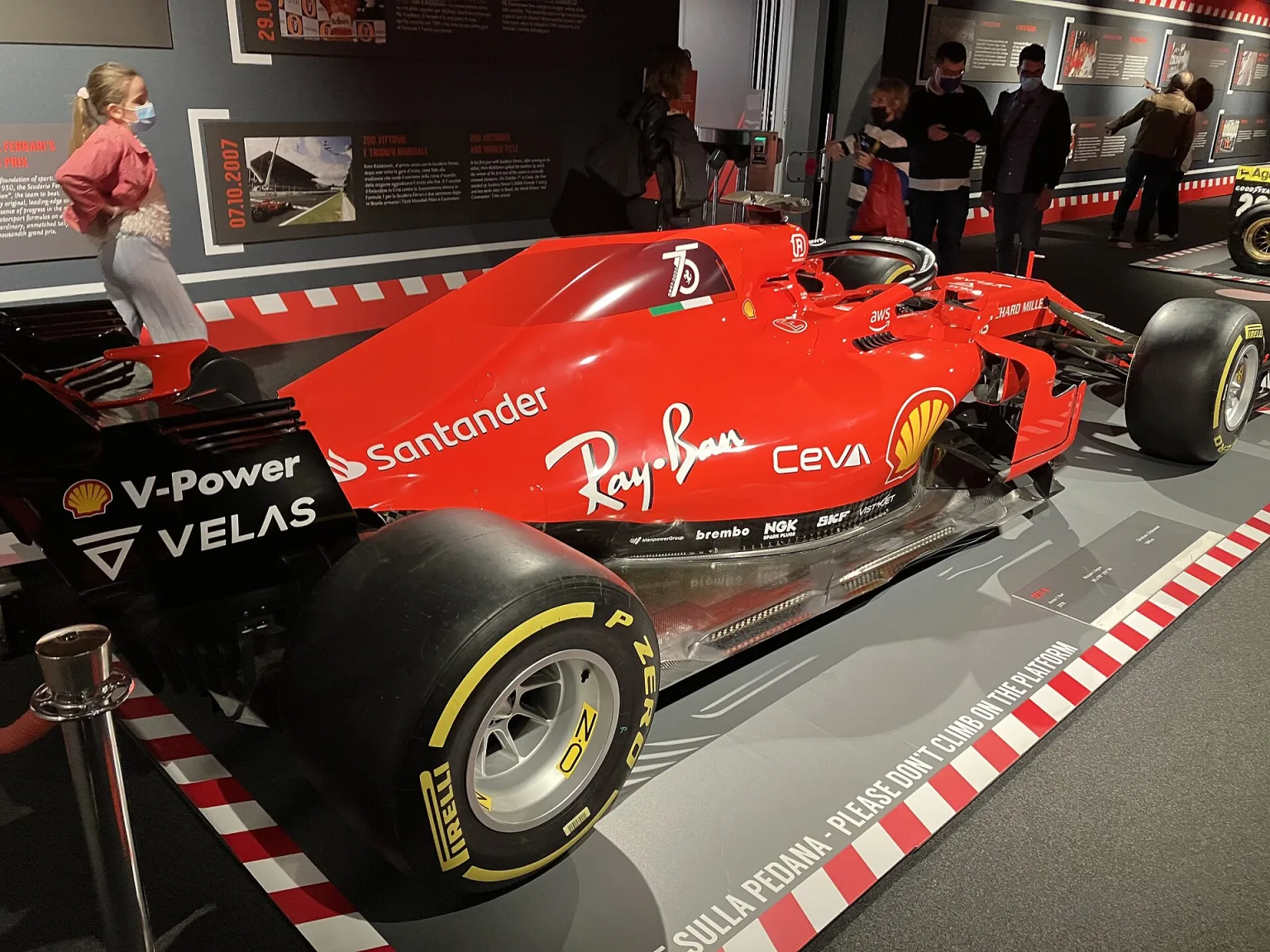
Ferrari remains the only team to have competed in every Formula One season since the championship began in 1950. In recognition of this, the Scuderia receives a special annual payment from F1's commercial rights holders, Liberty Media, as part of the sport's revenue distribution. This bonus is not available to any other team, regardless of performance or longevity.
The arrangement has long been a source of resentment among rival teams, who argue that it entrenches Ferrari's financial advantage. F1 CEO Stefano Domenicali has publicly defended the deal, stating that Ferrari's unique contribution to the sport's history justifies its special status. Domenicali insists, however, that the Italian team receives no sporting or technical favouritism. "Clearly Ferrari plays a big role and everyone hopes they do well, because it also helps the business. Ferrari is unique for what they have done in Formula 1 and therefore they play a big role in the history of motorsport," he told Corriere dello Sport, while maintaining that all teams are treated equally in regulatory matters.
Preferential treatment for star drivers
While Ferrari's bonus is a matter of financial structure, Red Bull's approach to its drivers has brought team politics into the spotlight. Christian Horner, Red Bull's team principal, has openly acknowledged that Max Verstappen, the team's leading driver, receives preferential treatment compared to his team-mate Sergio Perez. Horner argues that this is standard practice in Formula One, with top drivers often enjoying greater support and resources within their teams. He cited Lewis Hamilton's expected move to Mercedes as another example where a star driver would likely be prioritised.
Such admissions have fuelled claims from fans and some paddock insiders that the sport's biggest names are able to secure both financial and competitive advantages, leaving smaller teams and less-favoured drivers at a structural disadvantage. The perception of unequal treatment, whether in commercial deals or team strategy, continues to provoke frustration among those seeking a more level playing field.
Ongoing debate over fairness
The issue of special deals is not new, but recent comments from senior figures have brought it back into focus. While Formula One management insists that sporting and technical regulations are applied equally, the combination of historic payments and team-specific strategies continues to shape the competitive order. As the sport looks to expand its global audience and attract new manufacturers, calls for greater transparency and fairness in financial and operational arrangements are unlikely to fade.
For more on how top teams manage driver dynamics, seeHorner: Alonso and Hamilton would have defied team orders too.