Fisker Automotive assets to be auctioned as buyers circle failed EV firm
The US government will auction Fisker Automotive’s assets this week in an effort to recover $168 million in federal loans, with interest from Wanxiang, Bob Lutz and others.
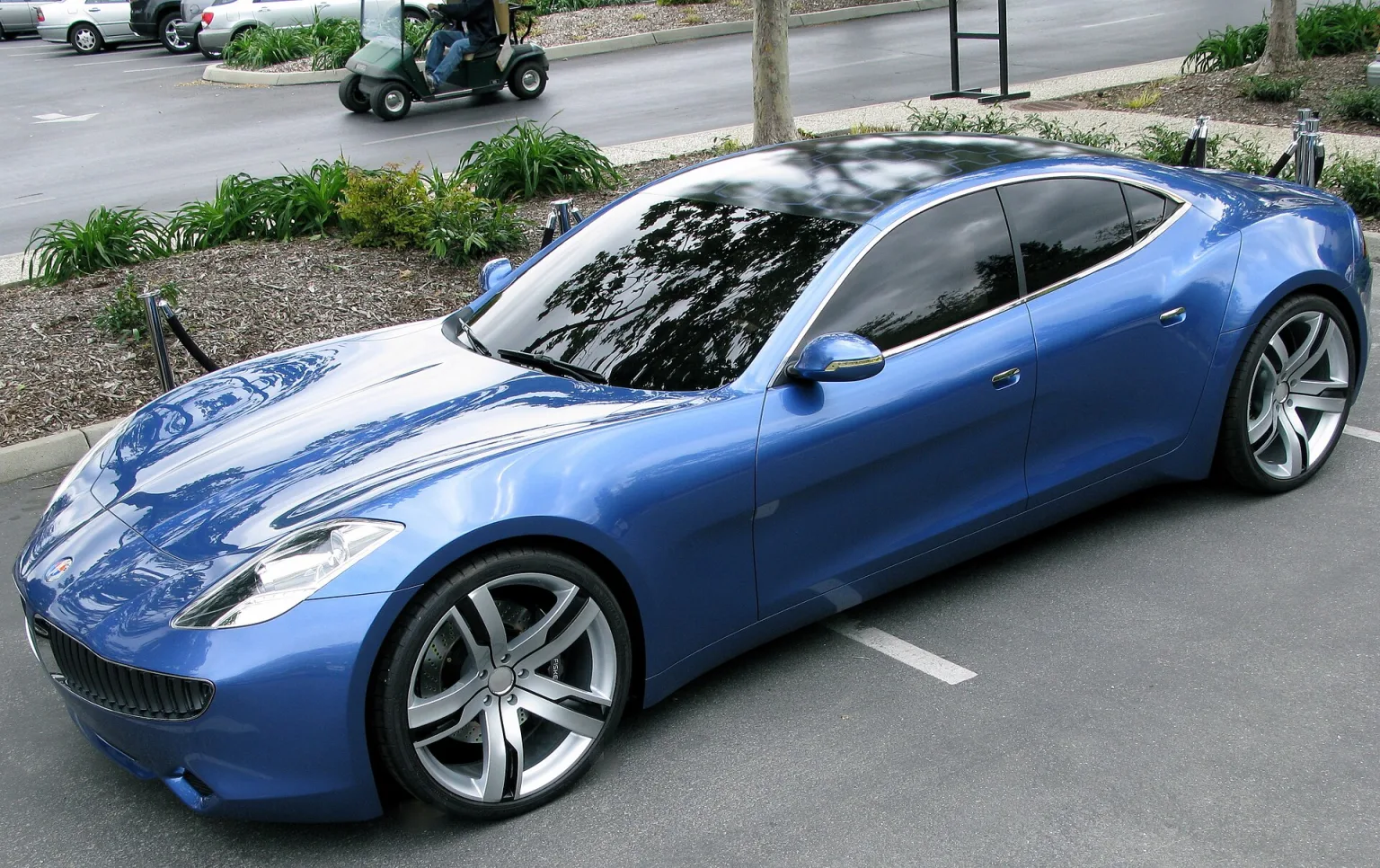
The US Department of Energy will auction the remaining assets of Fisker Automotive this week, seeking to recover $168 million in unpaid loans after the electric car maker’s collapse. Fisker, once seen as a promising challenger to established manufacturers, has not produced a car since 2012 and filed for bankruptcy in 2013.
Fisker’s remaining assets include the Karma luxury plug-in hybrid sedan, the unfinished Atlantic saloon project, and a never-completed manufacturing plant in Delaware. The federal auction comes after more than a year of inactivity at Fisker’s facilities and follows the company’s failure to repay loans from a US government programme designed to spur alternative vehicle development.
Who is bidding for Fisker?
Interest in the auction has come from several directions. Wanxiang Group, the Chinese conglomerate that previously purchased Fisker’s battery supplier A123 Systems, is among the leading bidders. Former GM and Chrysler executive Bob Lutz, who has partnered with VL Automotive to retrofit Karmas with V8 engines, is also expected to participate. Hong Kong billionaire Richard Li and company founder Henrik Fisker have both expressed interest, though it remains unclear if either has secured the necessary financial backing.
- Wanxiang Group (China)
- Bob Lutz (VL Automotive, US)
- Richard Li (Hong Kong)
- Henrik Fisker (company founder)
The auction will determine who takes control of Fisker’s intellectual property, unfinished vehicles, and physical assets. For the US government, the primary aim is to recover as much as possible from the failed $168 million loan. For bidders, the value lies in Fisker’s technology, the Karma platform, and the potential to revive or repurpose the brand. Wanxiang’s involvement is particularly notable given its previous acquisition of A123 Systems, which supplied batteries for the Karma.
What happens to the Karma and unfinished projects?
The Karma plug-in hybrid was Fisker’s only production model, assembled in Finland and launched to considerable attention in 2011. Production stopped in 2012 after financial and supply chain problems. The unfinished Atlantic, a smaller saloon intended to broaden the range, never entered production. The Delaware plant, acquired with government support, was never brought online.
The buyer who emerges from the auction will gain access to these assets, with the possibility to restart production, repurpose the technology, or simply liquidate the remaining inventory. The outcome could see Fisker’s intellectual property and brand revived under new ownership, or its assets dispersed to the highest bidders.
Wanxiang’s interest in Fisker follows its $24.7 million bid, as previously reported. For more on the Chinese group’s ambitions, seeWanxiang Group makes $24.7m bid for Fisker Automotive.