Cadillac Targets Smaller Chinese Cities for Growth
GM plans to triple Cadillac sales in China by 2015 by expanding into tier-two and tier-three cities, increasing local production, and adding new dealerships.
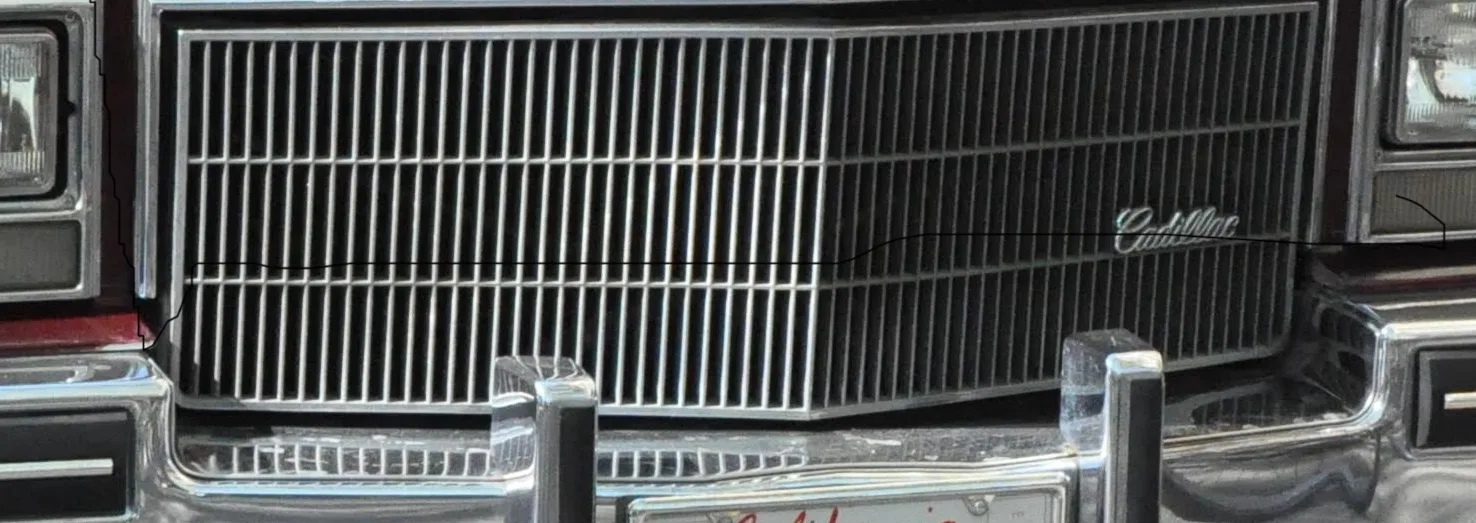
General Motors is targeting smaller Chinese cities to accelerate Cadillac’s growth in the world’s largest car market, aiming to triple sales by 2015 through local manufacturing and a rapid expansion of its dealer network. As competition in China’s luxury car segment intensifies, GM is shifting its focus away from the saturated markets of Beijing, Shanghai, and other major metropolitan areas. Instead, the company is setting its sights on tier-two and tier-three cities, where economic growth is fuelling a wave of new affluent buyers.
Cadillac's New Strategy for Growth in China
Expanding the Dealer Network
A cornerstone of Cadillac’s strategy is the rapid expansion of its dealership network. GM plans to increase the number of Cadillac dealerships in China to 200 by the end of 2013, a significant jump from just 70 in 2011. This expanded network is designed to reach customers in fast-growing provincial cities, where premium brands are still establishing their presence and where there is strong potential for growth. According to Kevin Chen, general director of Cadillac at Shanghai GM, these markets offer the greatest opportunities as competition in the established urban centres becomes increasingly fierce.
Local Manufacturing and Model Introduction
Local manufacturing is central to Cadillac’s plan in China. Most Cadillacs sold in the country will be built domestically, a move intended to help control costs and protect against currency fluctuations. GM has committed to introducing a new locally manufactured Cadillac model each year until 2016. This approach is expected to make the brand more competitive on price and better suited to local tastes, further enhancing its appeal among Chinese consumers.
Ambitious Sales Targets and Market Share
GM’s ambitions for Cadillac in China are bold. The company expects these measures to help it reach annual sales of 100,000 units in China by 2015, which would represent about 10 percent of the country’s luxury car market at that time. This is a significant increase from the 30,010 Cadillacs sold in China in 2012. The aggressive targets reflect GM’s confidence in the growth potential of China’s smaller cities and its determination to establish Cadillac as a major player in the luxury segment.
Competition from Established Rivals
Despite its ambitious plans, Cadillac currently lags behind its German competitors in China. In 2012, Audi sold 405,838 vehicles and Mercedes-Benz sold 196,211, both far outpacing Cadillac’s sales. GM CEO Dan Akerson has stated that Cadillac must more than double global sales to close the gap with rivals such as BMW and Audi, with a worldwide target of three million units by 2020. Achieving this in China is seen as crucial to Cadillac’s global ambitions.
Brand Building and Marketing Initiatives
To support its growth strategy, GM is making efforts to raise Cadillac’s profile among aspirational buyers, particularly in regions outside the largest cities. The company has engaged high-profile figures to promote the brand in China, reflecting a broader push to enhance Cadillac’s image as a desirable luxury marque. This approach is similar to strategies adopted by other luxury brands, which are also seeking to capture emerging demand in secondary markets across China.
Comparisons with Other Luxury Brands
Cadillac’s approach to China’s luxury market is not unique. Other automakers, such as PSA with its DS brand, are targeting a similar share of the market by focusing on growth in secondary cities. These brands are introducing new models tailored to local preferences and expanding their dealer networks to reach new customers. The competition is fierce, and success will depend on how effectively each brand can adapt to the evolving tastes and expectations of Chinese consumers.
Consequences for GM and Cadillac
If Cadillac’s strategy succeeds, it could significantly boost GM’s presence in China’s lucrative luxury segment and help the brand close the gap with its German rivals. The focus on local production and expansion into smaller cities could also serve as a model for other international automakers seeking growth in China. However, failure to meet these ambitious targets could leave Cadillac struggling for relevance in a market where consumer preferences and competitive dynamics are changing rapidly.