California DMV Moves to Tighten Driverless Car Testing Rules
Proposed regulations would require a licensed operator in all autonomous vehicles and restrict fully driverless testing, affecting firms like Google.
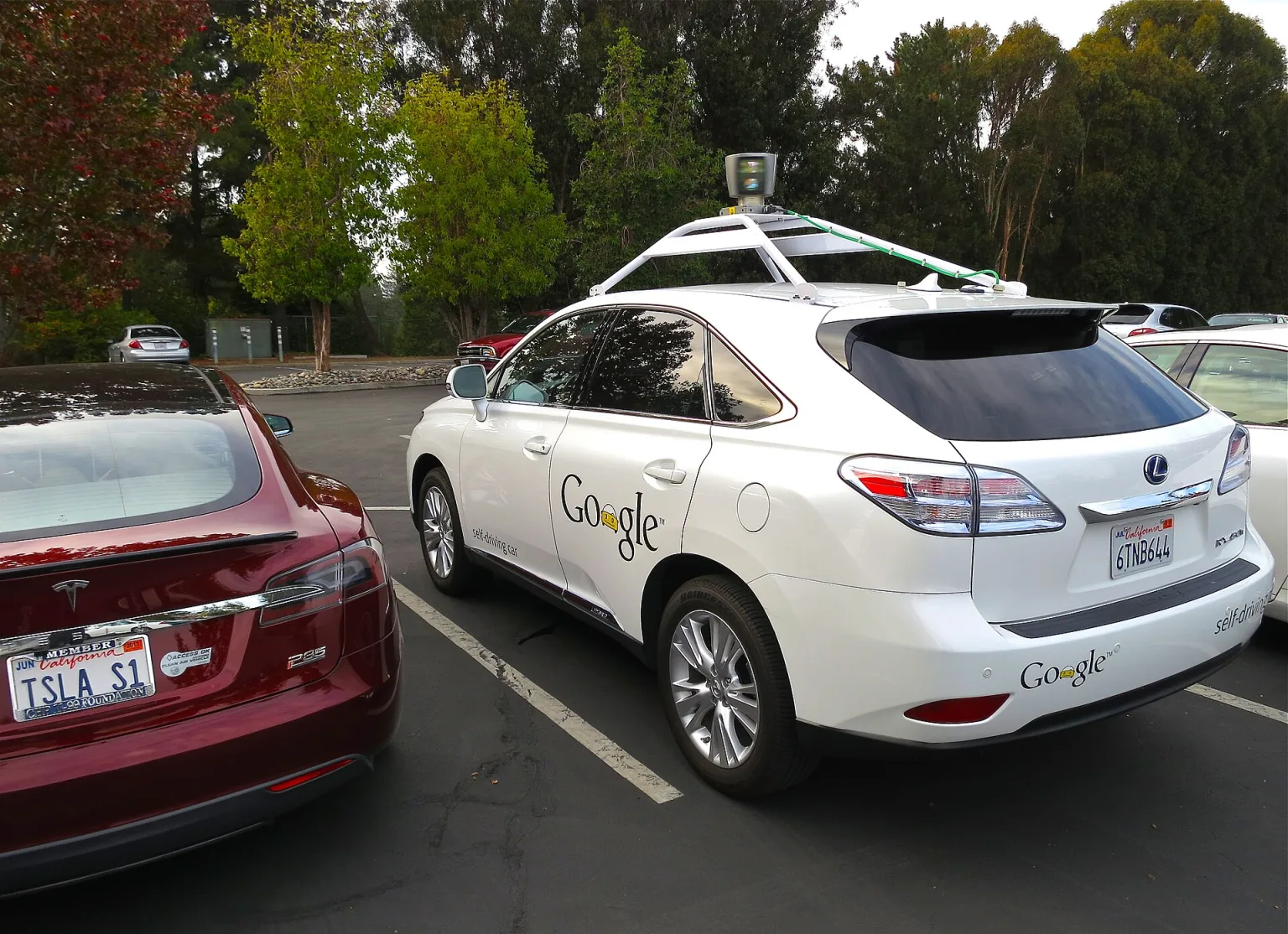
California’s Department of Motor Vehicles has published draft regulations that would restrict the testing and deployment of autonomous vehicles on public roads, blocking fully driverless cars from operating without a licensed human operator present. The move comes as state officials express ongoing concerns about the safety of self-driving technology in real-world traffic.
Under the proposed rules, every autonomous test vehicle on California roads would require a licensed driver with an autonomous vehicle operator certificate issued by the DMV. This operator must be ready to take immediate control if the system fails or an emergency occurs. The operator would also be responsible for any traffic violations during testing.
The DMV’s draft also mandates that manufacturers report all accidents involving autonomous mode and disclose any safety-related defects in their technology. Companies would be required to submit monthly reports on the performance, safety and usage of their test vehicles. Initial deployment permits would last for three years, after which renewal would be required.
Impact on self-driving development
The restrictions directly affect companies like Google, whose self-driving prototypes are designed to operate without steering wheels or pedals and rely entirely on autonomous systems. Google has previously argued that such regulations could slow the rollout of technology that promises improved road safety and greater mobility for those unable to drive.
Automakers and tech firms developing autonomous vehicles have identified California as a crucial testing ground, thanks to its supportive climate and technological infrastructure. The new rules would force them to adapt their testing programmes, potentially delaying the deployment of fully driverless vehicles in the state.
What manufacturers must do under the draft rules
- Ensure a licensed operator with a DMV autonomous vehicle certificate is present in all test vehicles.
- Hold the operator responsible for safe operation and traffic violations.
- Submit monthly safety, usage and performance reports to the DMV.
- Report all autonomous mode accidents and safety defects.
- Apply for a three-year deployment permit, renewable after expiration.
The DMV’s approach reflects a cautious stance, prioritising public safety over rapid technological adoption. The proposed rules are open for public comment before any final version is enacted. For now, the path towards fully driverless cars on California’s roads remains tightly controlled.