VW’s Winterkorn Signals Openness to More Acquisitions
Volkswagen CEO Martin Winterkorn says the group remains alert to new acquisition opportunities, following the recent additions of Ducati and Porsche to its portfolio of 12 brands.
Volkswagen chief executive Martin Winterkorn has indicated that the group remains open to further acquisitions, even after recently expanding its portfolio to 12 brands. Speaking at an event in Detroit in early 2013, Winterkorn emphasised that while no immediate deals are planned, Volkswagen is alert to attractive opportunities that may arise in the global automotive market.
VW's Approach to Acquisitions
Winterkorn stated that VW is currently well positioned with its existing brands, but he did not rule out the possibility of expanding further if the right opportunity presents itself. He explained that the company is always monitoring developments in the industry and is prepared to act should a compelling acquisition become available. This approach reflects Volkswagen's long-term strategy of growth through both organic expansion and targeted acquisitions.
Recent Acquisitions and Brand Portfolio
In 2012, Volkswagen increased its brand count to 12 by acquiring Italian motorcycle manufacturer Ducati through its Audi subsidiary and completing the long-anticipated acquisition of sports car maker Porsche. These moves solidified VW's position as Europe's largest automaker and expanded its reach across a broader spectrum of the market, from entry-level cars to luxury vehicles, heavy trucks, and motorcycles.
The group’s portfolio now includes brands such as Volkswagen Passenger Cars, Audi, SEAT, Škoda, Bentley, Bugatti, Lamborghini, Porsche, Ducati, Volkswagen Commercial Vehicles, Scania, and MAN. This diversity allows VW to address multiple market segments and customer preferences, ranging from affordable city cars to high-performance sports vehicles and commercial transport solutions.
Interest in Further Expansion
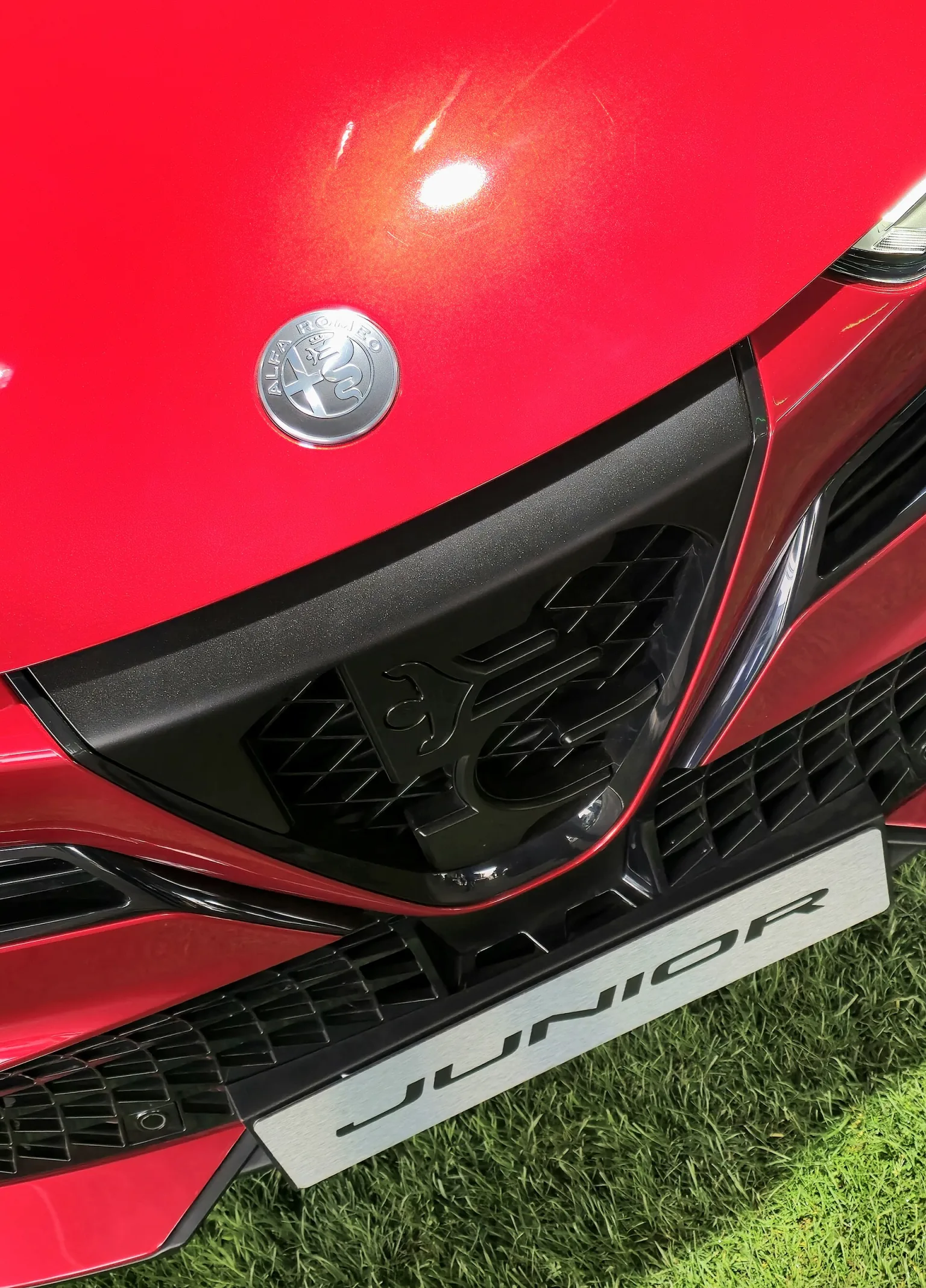
While no new acquisition projects are currently underway, VW’s leadership continues to monitor the market for potential opportunities. Chairman Ferdinand Piech has previously expressed interest in acquiring Alfa Romeo, a renowned Italian brand owned by Fiat. However, Fiat has repeatedly stated that Alfa Romeo is not for sale, and no progress has been made toward such a deal.
Winterkorn’s comments highlight VW’s readiness to act if circumstances change. The company has not identified any other specific targets, but its history suggests that it will continue to look for ways to strengthen its position through strategic acquisitions if the opportunity arises.
Growth Strategy Amid Global Competition
Volkswagen’s openness to further acquisitions is part of a broader strategy to maintain growth in an increasingly competitive global market. The company faces challenges from established rivals and emerging players, particularly in China and the United States. In 2012, VW reported record sales of 9.07 million vehicles, an 11% increase over the previous year. Since 2009, deliveries have risen by 44%, underscoring the effectiveness of its combined approach to organic growth and acquisitions.
However, market conditions in Europe have become less favourable, prompting VW to focus on expanding its presence in other regions. Winterkorn acknowledged that many markets are losing momentum, making international growth a priority. To address changing consumer preferences and capitalise on demand outside Europe, Volkswagen plans to double its lineup of SUV models. This move is designed to attract buyers in regions such as China and North America, where SUVs remain highly popular.
Financial Performance and Industry Leadership
Volkswagen’s robust financial results in 2012 further reinforce its position as a leading global automaker. The company posted a profit of €11.5 billion, surpassing major competitors Toyota and General Motors. This strong performance was driven by increased sales, successful integration of new brands, and a diverse product portfolio that appeals to a wide range of customers.
The combination of organic sales growth and strategic acquisitions has enabled VW to outperform many of its rivals. The company’s ability to adapt to changing market conditions and pursue new opportunities has been key to its ongoing success. As the automotive industry continues to evolve, Volkswagen’s leadership has signalled that it will remain vigilant and responsive to potential acquisitions that could further enhance its global footprint.
Looking Ahead: VW’s Acquisition Outlook
While Volkswagen has no immediate plans for new acquisitions, its management’s openness to further deals suggests that the group will continue to evaluate opportunities as they emerge. The company’s track record of successful expansion and integration of new brands positions it well to take advantage of any favourable developments in the future. In the meantime, VW’s focus remains on strengthening its core business, expanding its SUV lineup, and maintaining its competitive edge in key global markets.