Chevron Richmond fire prompts 3,000 legal claims over health concerns
Thousands in Richmond have turned to personal injury lawyers after a fire at Chevron’s refinery released toxic gas, with investigations ongoing and the crude unit expected to remain shut for months.
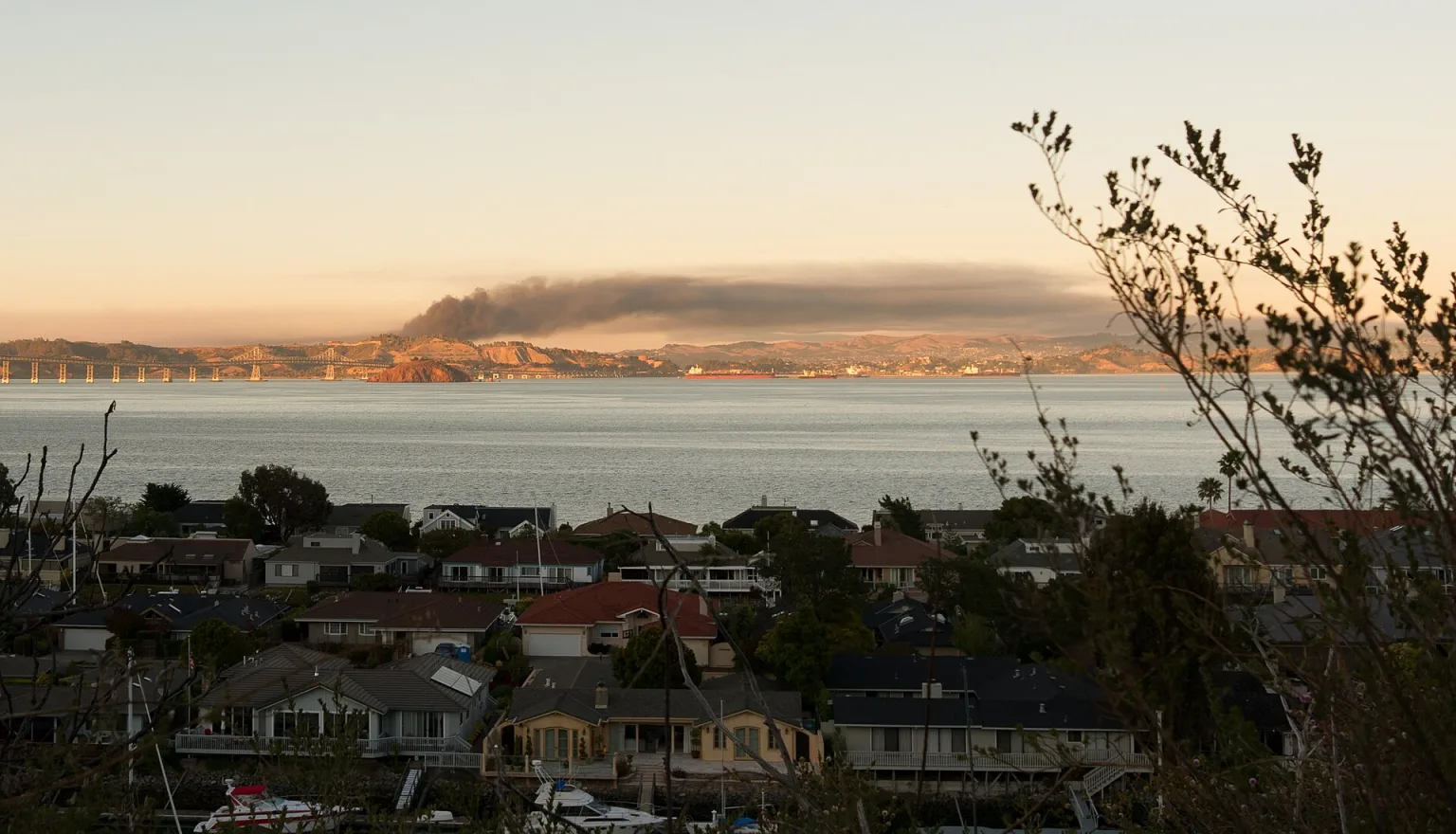
Over 3,000 Richmond residents have contacted personal injury lawyers following the Chevron refinery fire that sent toxic gas into the air and forced thousands to shelter indoors. The incident, which began around 6:30 p.m. on a Monday, saw the crude unit at California’s second largest refinery catch fire, releasing hazardous emissions across several communities.
Police ordered residents in Richmond and other nearby communities to remain indoors for several hours as the fire burned, citing the risk from airborne chemicals. The Chevron facility, which processes 245,000 barrels per day and supplies nearly 10% of the West Coast’s refining capacity, is the largest in the San Francisco Bay area. The company has not provided a detailed update on production since the incident.
Refinery operations and community impact
The crude unit at the Richmond refinery is expected to remain offline for up to three months while repairs are carried out. This extended shutdown could affect fuel supply across the region, given the plant’s role in West Coast refining. For local residents, the immediate concern has been health: thousands have reported respiratory issues, eye irritation and other symptoms since the fire, leading to the surge in legal consultations.
Several agencies, including the Environmental Protection Agency and the U.S. Chemical Safety Board, have launched investigations into the cause and response to the fire. The incident is not the first of its kind at the Richmond site: a fire in 1999 led to even more widespread illness, while a 2007 blaze also forced a temporary shutdown. Local authorities and health officials are monitoring air quality and reviewing Chevron’s safety procedures as part of the ongoing inquiry.
Legal and regulatory response
The volume of legal claims highlights the scale of community concern over health and safety near major industrial sites. While Chevron has yet to comment publicly on compensation or settlements, the number of residents seeking legal help suggests a lengthy process ahead. Investigators are expected to examine whether maintenance or operational failures contributed to the fire, and whether emergency protocols were adequate.
The refinery’s extended closure may also have implications for fuel prices and supply in California, though the full impact will depend on how quickly repairs can be completed and whether other facilities can compensate for the shortfall. For now, Richmond’s residents and legal teams await the outcome of the official investigations and any further action from Chevron.