Daimler acquires full ownership of Mercedes Formula One team
Daimler has bought out Aabar Investments’ 40% stake in the Mercedes F1 team, consolidating control as the team prepares for Lewis Hamilton’s arrival in 2013.
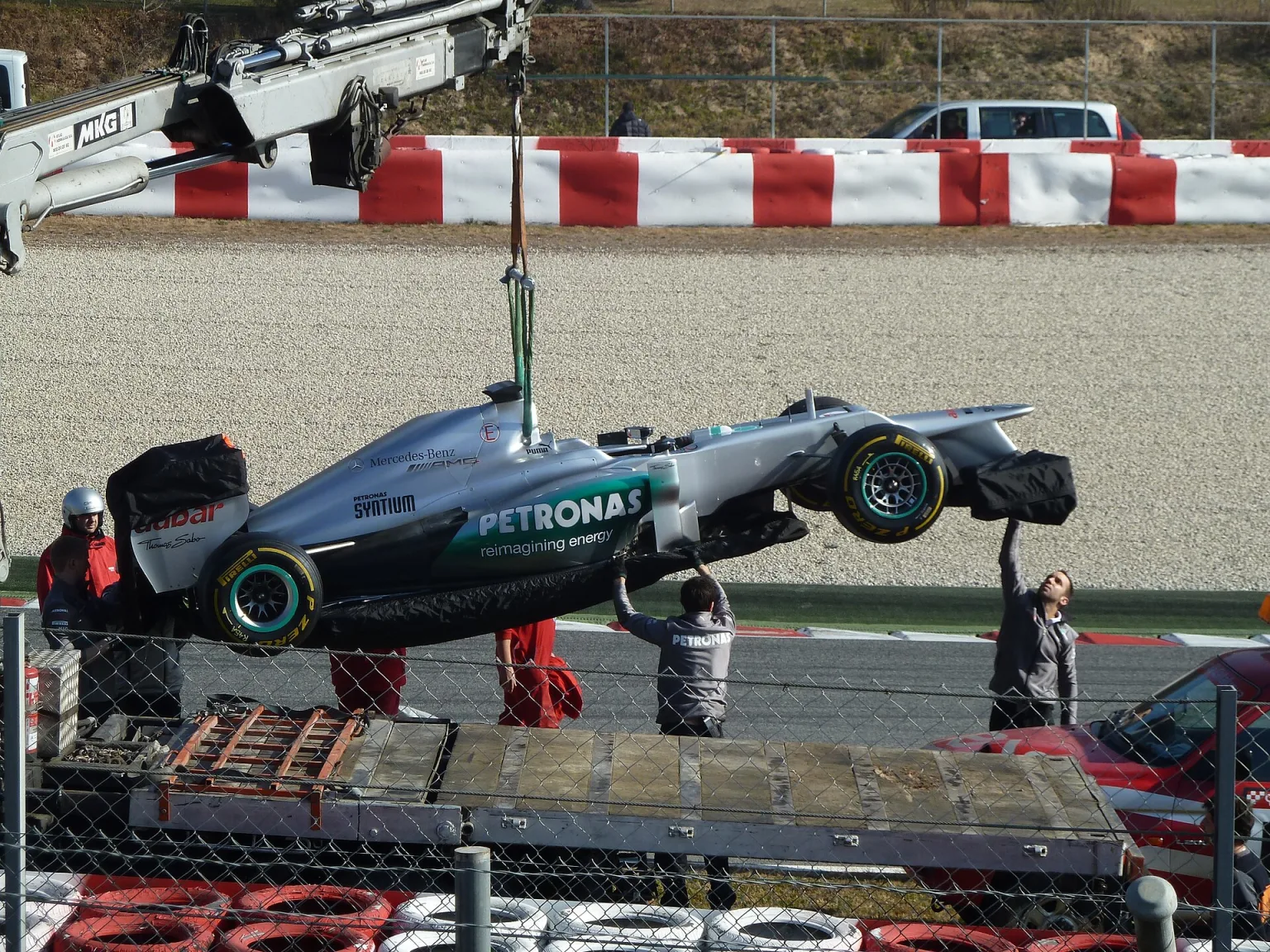
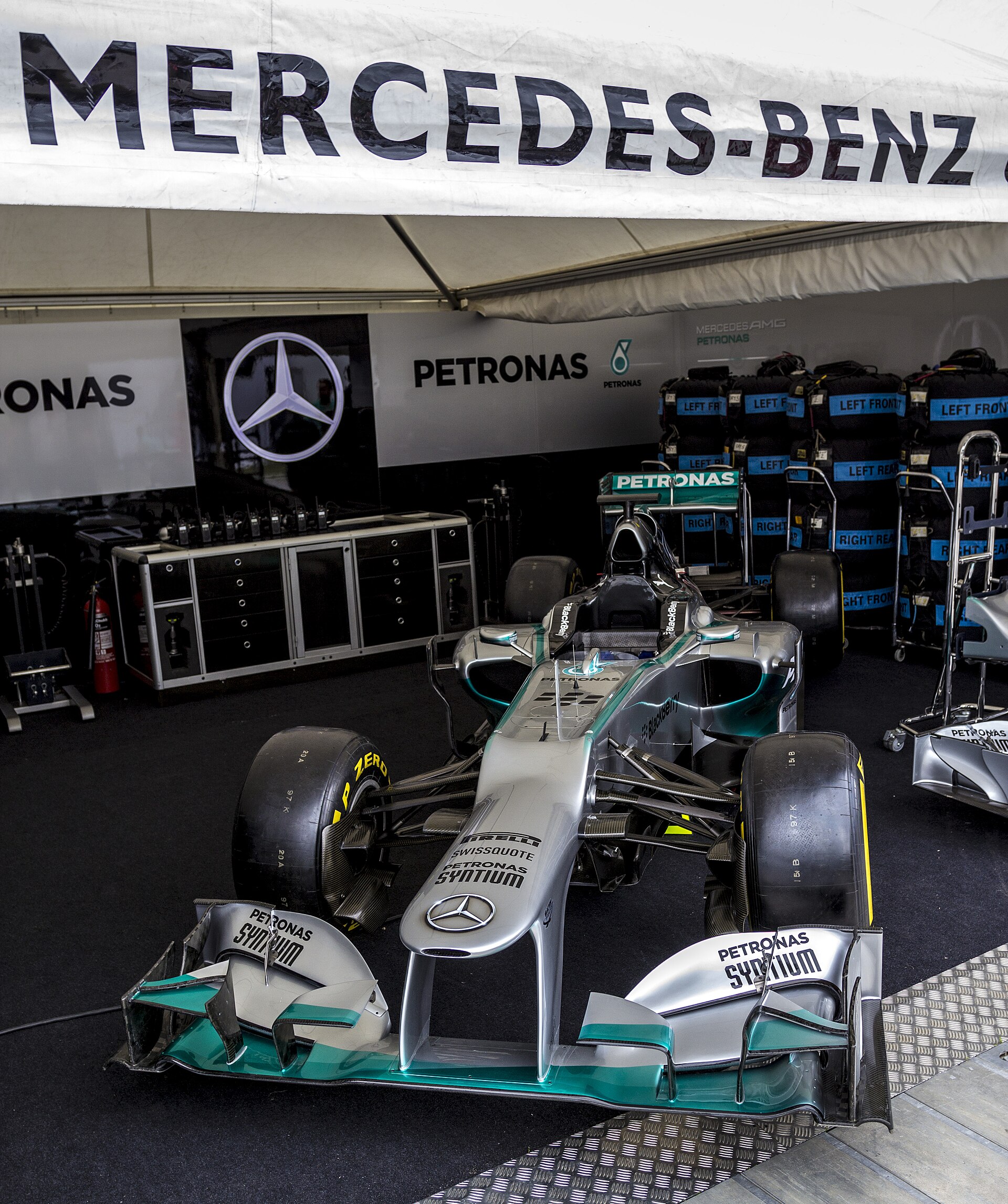
Daimler has assumed full control of the Mercedes Formula One team after acquiring the 40% stake previously held by Abu Dhabi’s Aabar Investments. This transaction, finalised in late 2012, brings an end to Aabar’s involvement with both Daimler and its Formula One operation. As a result, Mercedes-Benz’s parent company now stands as the sole owner of the Brackley-based team, consolidating its position within the world of Formula One.
Daimler Secures Full Control of Mercedes Formula One Team
Background: Aabar’s Investment and Exit
Aabar Investments entered the picture in March 2009, purchasing a 9% stake in Daimler as the global financial crisis unsettled markets. Alongside this, Aabar also acquired a 40% holding in the Mercedes Formula One team. The move was part of a broader investment strategy by the Abu Dhabi fund, aiming to diversify its portfolio and support the German manufacturer during a period of financial uncertainty.
By 2012, Aabar began to reduce its exposure to Daimler. In October, Aabar’s parent company, International Petroleum Investment, sold its remaining 3.1% holding in the German automaker. Shortly after, the 40% stake in the Mercedes F1 team was also sold back to Daimler, marking a complete exit for Aabar and its parent from both Daimler and its motorsport interests.
Why Daimler Sought Full Ownership
For Daimler, taking full control of its Formula One operation was a strategic move. The company sought to remove external influences from team management and align the racing outfit more closely with its overall motorsport and brand strategy. This consolidation comes at a significant moment for Mercedes in Formula One, as the team aims to improve its competitive standing and global image.
Team Performance and Ambitions
Since entering Formula One as a works team in 2010, Mercedes has invested heavily in its F1 programme. However, results on track had not fully matched expectations. In the 2012 season, Mercedes finished fifth out of twelve teams in the constructors’ standings, a result that fell short given the resources at its disposal. The company’s decision to take sole ownership of the team is intended to streamline decision-making and provide a clearer structure for future investments.
Lewis Hamilton Joins Mercedes
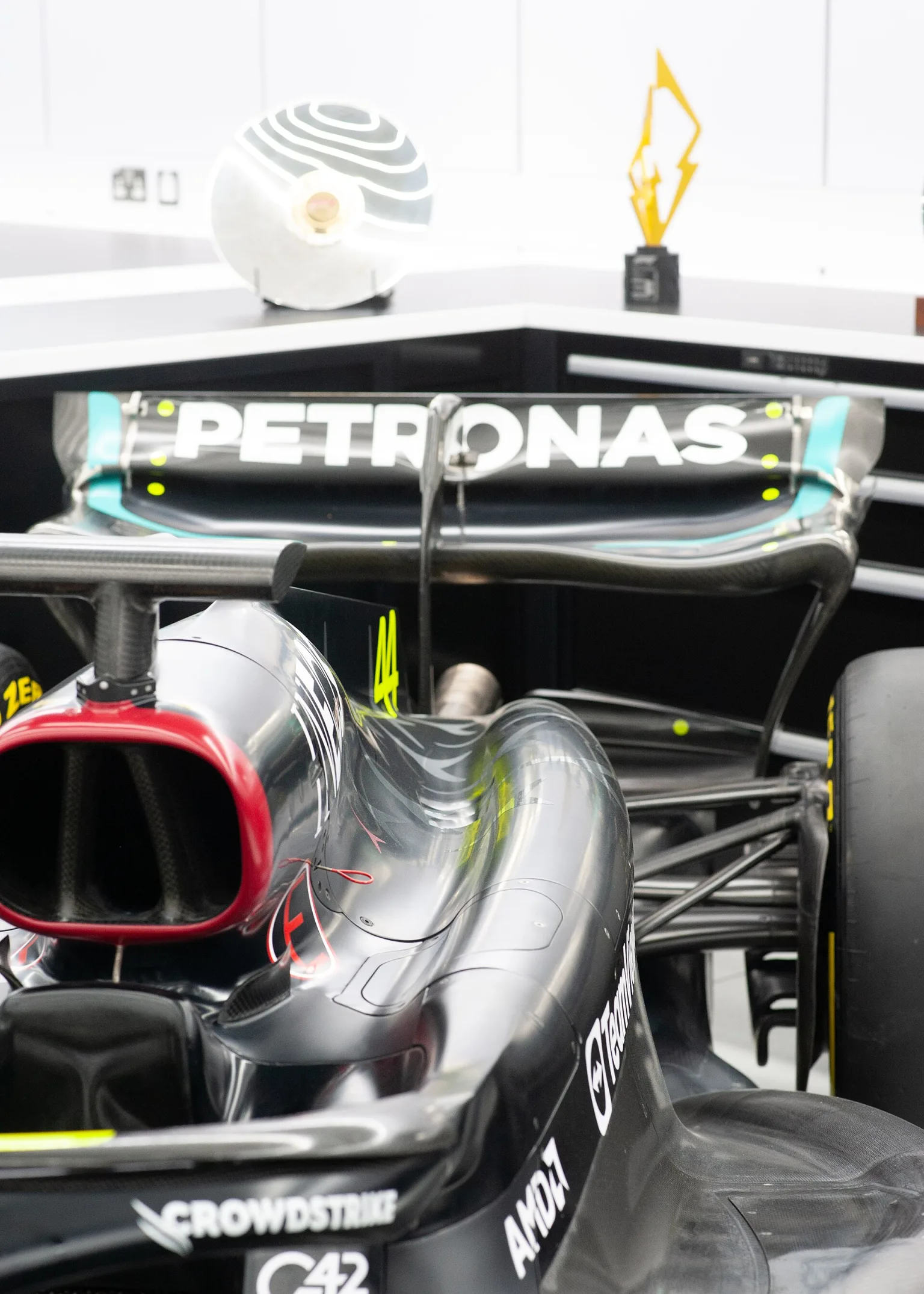
A major development for Mercedes ahead of the 2013 season was the signing of Lewis Hamilton. The former world champion agreed to a three-year contract with the team, reportedly worth £45 million. Hamilton’s move from McLaren to Mercedes was one of the most high-profile driver transfers in recent Formula One history. His arrival is expected to boost the team’s profile and competitiveness, bringing both sporting talent and international attention to the squad. Hamilton had just secured victory at the US Grand Prix prior to his signing, underlining his status as one of the sport’s leading drivers.
Team Budget and Financial Context
The Mercedes Formula One team operated with a reported annual budget of £125 million in 2011. This figure included funding from Daimler itself, as well as sponsorship and commercial revenues. The scale of investment reflected the company’s ambitions in Formula One, as it sought to challenge established front-runners and enhance the Mercedes brand globally. However, despite the substantial budget, the team’s results in 2012 highlighted the challenges of competing at the highest level of motorsport.
Daimler’s acquisition of full ownership also came at a time when the company was facing broader financial pressures. In October 2012, Daimler announced it would miss its annual earnings target by around €1 billion, citing a sluggish European market. Nevertheless, the company maintained its commitment to Formula One, viewing the sport as a key platform for marketing and technological development.
Implications for Mercedes and Formula One
With Daimler now in sole control, the Mercedes Formula One team is better positioned to implement long-term strategies and respond swiftly to changes within the sport. The removal of an external shareholder simplifies governance and could make it easier for the team to pursue ambitious technical and sporting goals. The arrival of Lewis Hamilton, combined with the company’s renewed commitment, signals Mercedes’ intent to become a consistent front-runner in future seasons.
The move also reflects a broader trend in Formula One, where major manufacturers seek to consolidate their operations and maximise the marketing value of their participation. For Daimler, Formula One remains a high-profile arena to showcase engineering excellence and promote the Mercedes brand to a global audience.
Summary Table: Timeline of Key Events
| Year | Event |
|---|---|
| 2009 | Aabar Investments acquires 9% stake in Daimler and 40% in Mercedes F1 team |
| 2012 (October) | Aabar’s parent sells final 3.1% stake in Daimler |
| 2012 (Late) | Daimler buys Aabar’s 40% stake, gaining full control of Mercedes F1 team |
| 2013 | Lewis Hamilton joins Mercedes on a three-year contract |