Daimler Truck launches new software services for commercial vehicles
Daimler Truck is rolling out advanced software platforms and digital engineering tools, aiming to transform fleet management and vehicle development across its global operations.
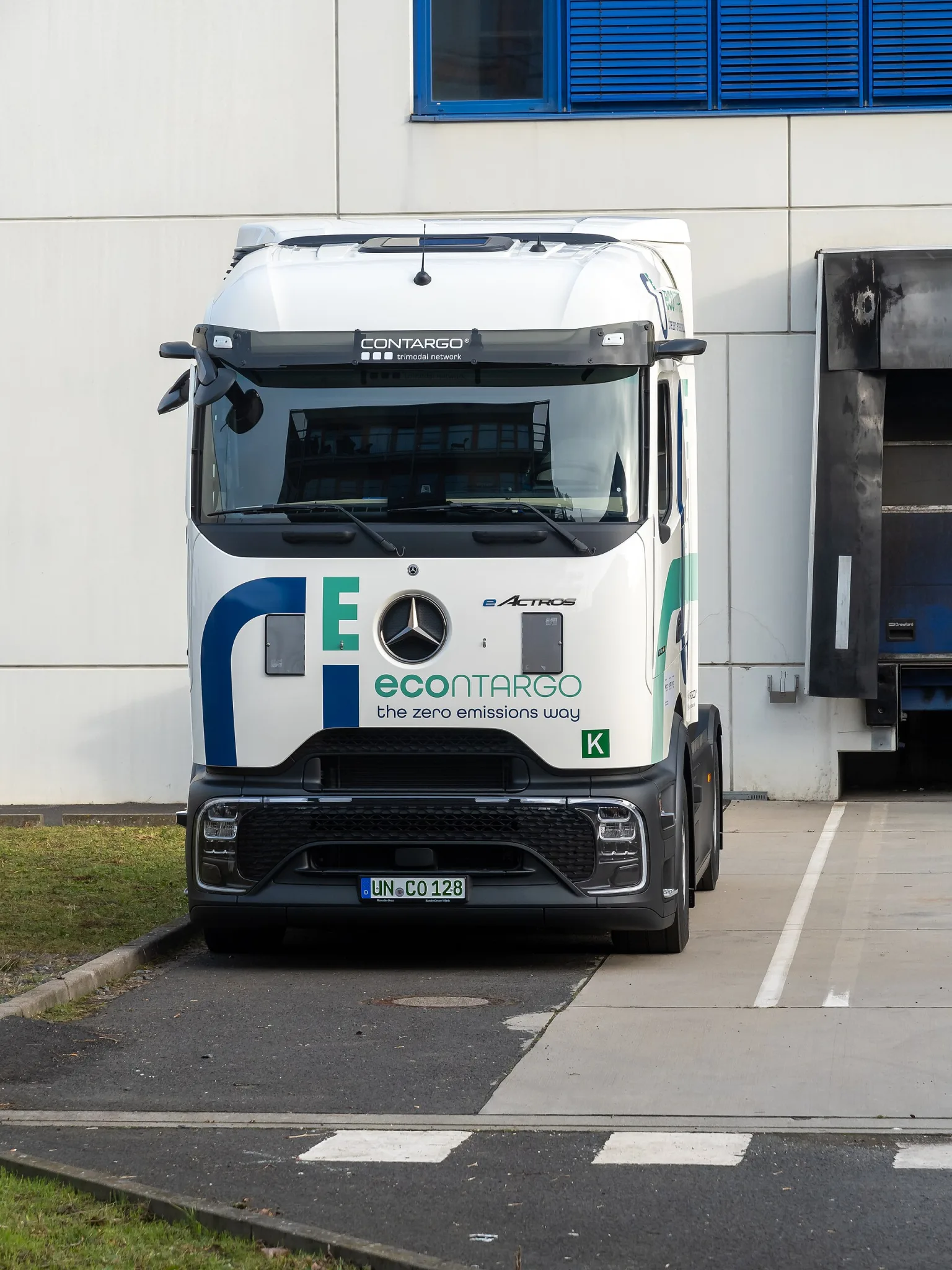
Daimler Truck is accelerating its digital transformation with the introduction of new software services aimed at commercial vehicle customers and internal engineering. The company is rolling out open fleet management platforms and adopting advanced digital engineering tools, targeting greater flexibility, efficiency and sustainability across its global truck and bus operations.
Open fleet management with Virtual Vehicle
Daimler Truck North America, in partnership with Platform Science, has launched Virtual Vehicle, an open OEM platform that gives fleet operators direct access to telematics, real-time vehicle data, and third-party applications through in-dash and cloud-based interfaces. Virtual Vehicle is available on Freightliner Cascadia models built from September 2019 onwards and is offered as a monthly subscription service [2].
The platform removes the need for additional telematics hardware, allowing fleets to manage software, connectivity, and mobile devices natively within the vehicle. Operators can select and update applications tailored to their business, mixing third-party and proprietary solutions as needed. This approach reduces installation downtime and hardware costs, while enabling rapid deployment of new tools for logistics, compliance, and driver support.
- Factory-installed telematics hardware maximises uptime by avoiding retrofit delays.
- Fleets can customise the in-cab software experience for individual drivers or business units.
- Edge, cloud and in-dash data integration keeps networks and data accessible even when offline.
- Usage-based billing for participating applications offers cost control.
Digital engineering and software-defined vehicles
Daimler Truck is also overhauling its vehicle development process by adopting Siemens’ Xcelerator portfolio, including Simcenter STAR-CCM+ for computational fluid dynamics and digital twin simulation [1][3]. These tools are used to optimise aerodynamics, battery cooling, hydrogen systems and legacy combustion technologies, supporting Daimler Truck’s CO2-neutral transport ambitions. The collaboration with Siemens extends to training engineers in advanced simulation, aiming to build internal expertise for next-generation vehicle development.
Alongside engineering tools, Daimler Truck is developing a new software-defined vehicle architecture with Coretura, a joint venture with Volvo Group [5]. This architecture will underpin future trucks and buses, enabling over-the-air updates, real-time data analysis, and a wider range of customer and third-party applications. The company expects this move to improve safety, comfort and operational efficiency, while supporting features such as digital freight documentation and automated parking or charging reservations.
Challenges in explainable software systems
As Daimler Truck expands its use of AI and digital services, explainability and regulatory compliance remain ongoing challenges. Early research involving Daimler Truck practitioners highlights difficulties in specifying and validating explainability requirements for AI-based systems, particularly in safety-critical contexts [4]. The company is participating in industry research to develop more robust frameworks for explainable software, aiming to address these gaps as digitalisation progresses.
What it means for fleets and the industry
For fleet operators, Daimler Truck’s new platforms promise more choice and flexibility in managing vehicles and data. The shift towards software-defined vehicles and open digital services could reduce operational costs and downtime, while enabling faster adoption of new technologies. For Daimler Truck, these moves support its strategy to remain competitive in a market where digital services and sustainability are increasingly central to customer value.