PSA and Honda Face Underused European Plants as Capacity Rises
PSA’s Rennes and Honda’s Gebze plants operated below 30% capacity in 2013, highlighting persistent overcapacity issues even as Europe’s average plant utilisation improves.
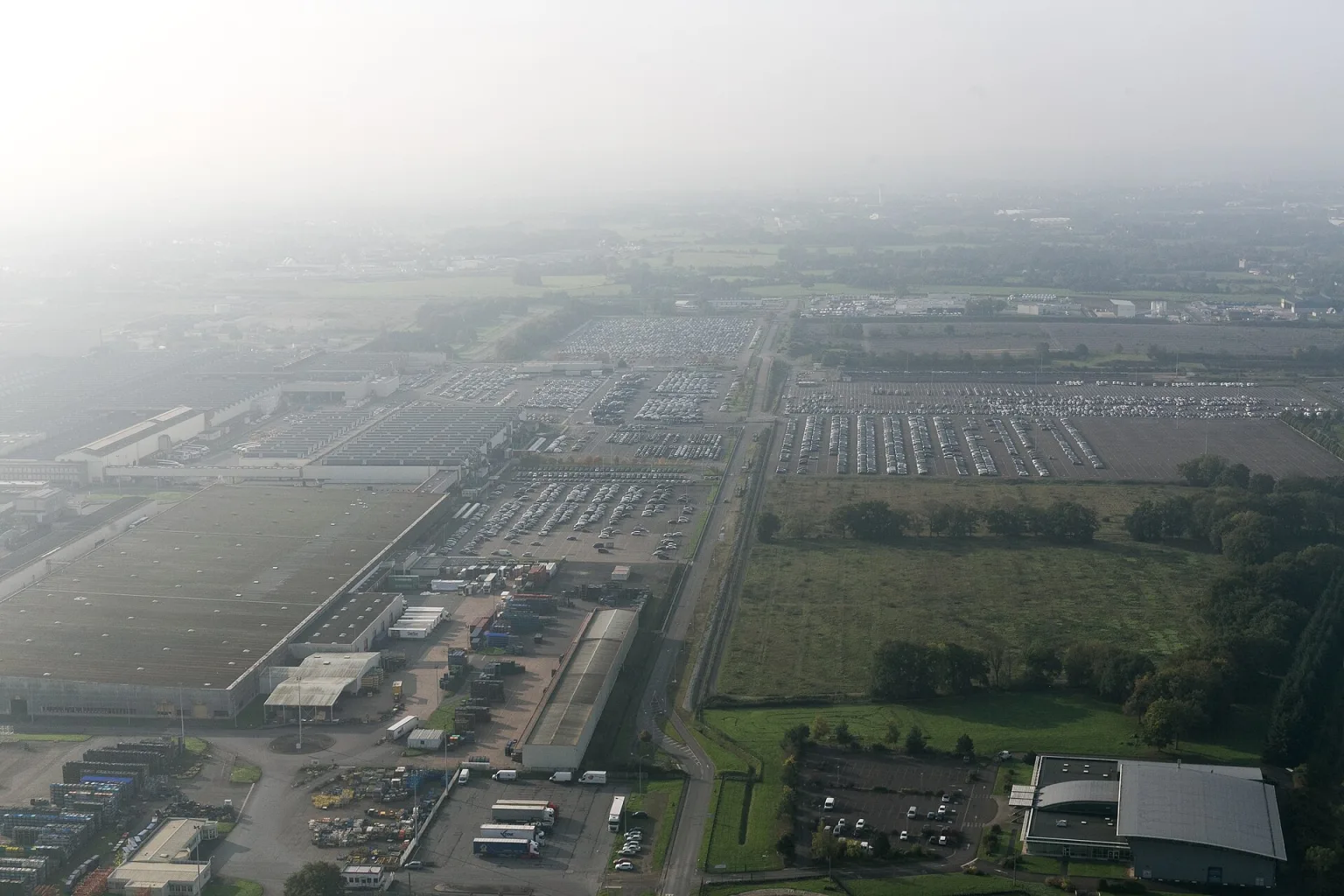
Two of Europe’s major carmakers, PSA Peugeot Citroën and Honda, operated the continent’s least utilised car plants in 2013, according to a study by French research firm Inovev. PSA’s Rennes facility in France and Honda’s assembly plant in Gebze, Turkey, both ran at below 30% capacity for the year, well under the level considered viable for long-term operation.
The findings come as European car production recovers from the region’s economic downturn. Inovev’s study found that average plant utilisation across Europe rose from 68% in 2013 to 70% in 2014, with further improvement to 80% projected by 2016 if sales continued to recover. Yet, the gap between the best- and worst-performing plants remained stark.
Risks for Underused Plants
Plants operating below 30% capacity are widely considered unsustainable, as fixed costs and underutilised labour weigh on profitability. PSA’s Rennes plant, once a volume producer of large saloons, has struggled to secure new model allocations as demand for traditional D-segment cars has waned. Honda’s Gebze plant, built to support European expansion, has faced weak demand for its locally assembled Civic and CR-V models. Inovev’s CEO, Michel Costes, said Honda’s difficulties in gaining traction in Europe made the Turkish plant a likely candidate for closure if the situation did not improve.
Other Plants Facing Pressure
Fiat’s Mirafiori plant in Turin, Renault’s Sandouville factory in France, and PSA’s Villaverde site in Spain also ranked among Europe’s least productive in 2013. Unlike Rennes and Gebze, these plants were each scheduled to receive new models, offering hope for improved utilisation. For example, Mirafiori was set to build new Maserati and Jeep models, while Sandouville was due to take on Renault Trafic van production.
Industry Context and Outlook
European carmakers have struggled with overcapacity since the financial crisis, as falling demand left many plants running well below break-even. While the region’s sales recovery has helped lift average utilisation, manufacturers with persistently underused plants face stark choices: attract new investment, win new model allocations, or consider closure. PSA and Honda’s challenges highlight the uneven pace of recovery across the industry.
For more on Honda’s European model strategy, seeHonda reveals 2016 HR-V for Europe with class-leading space.