Ford Reports US Sales Slowdown in September After August Peak
Ford says US auto sales cooled in September after August reached a six-year high, with industry forecasts pointing to a lower annualised rate for the month.
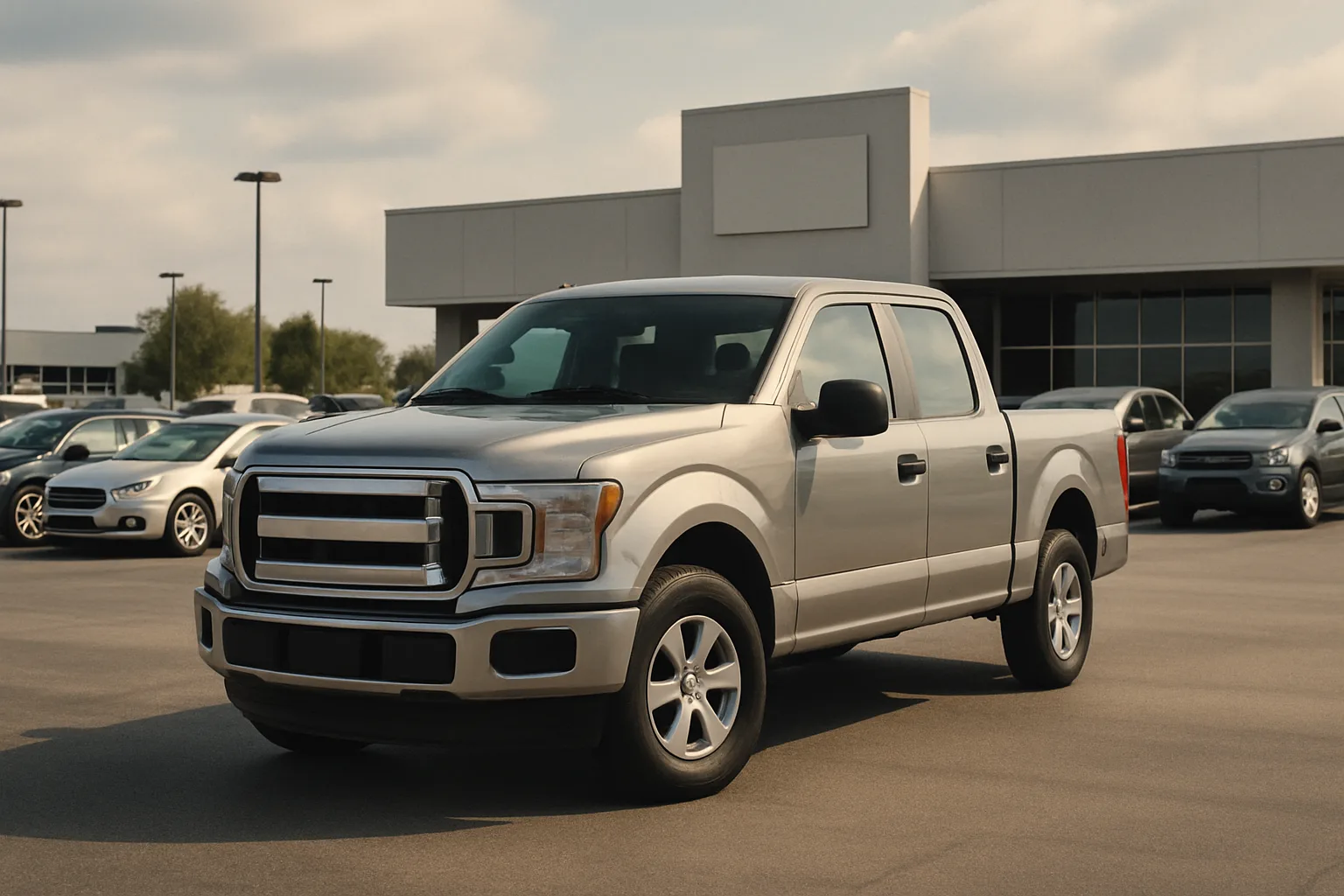
Ford has confirmed that its US sales slowed in September, following a particularly strong August that saw the automotive industry reach its highest annualised sales rate since 2007. The company’s president of the Americas, Joe Hinrichs, addressed the slowdown at the Texas State Fair in Dallas, noting that while the market remains healthy, it is taking a “breather” after three robust months.
Ford Reports September Sales Slowdown After Strong August
August’s Surge and the Labour Day Effect
August’s seasonally adjusted annualised rate (SAAR) for US vehicle sales reached 16.1 million units, according to Autodata Corp. This was the highest level since October 2007 and represented a significant milestone for the industry. The strong August result was partly due to the inclusion of sales through 3 September in the August tally. This meant that sales from the Labour Day weekend, a key promotional period for automakers, were counted in August’s results. As a result, August sales figures were boosted, making direct year-over-year comparisons more challenging.
Hinrichs pointed out that the timing of Labour Day, which fell within August’s reporting period this year, contributed to the unusually high sales. He described the industry as still healthy but noted that the pace set over the summer months was not expected to continue into September. The inclusion of Labour Day sales in August rather than September affected the usual seasonal trends and complicated the interpretation of monthly data.
Industry Analyst Forecasts for September
| Analyst/Organisation | September SAAR Forecast (million units) |
|---|---|
| LMC Automotive | 15.2 |
| Deutsche Bank AG | 15.3 |
| CLSA Americas LLC | 15.3 |
| TrueCar.com | 15.4 |
| RBC Capital Markets LLC | 15.4 |
| Barclays Plc | 15.4 |
| JPMorgan Chase & Co. | 15.4 |
Industry analysts widely expected September’s SAAR to fall below August’s peak. LMC Automotive forecast a drop to 15.2 million units, while Deutsche Bank and CLSA Americas predicted 15.3 million units. Estimates from TrueCar, RBC Capital Markets, Barclays, and JPMorgan Chase clustered around 15.4 million units. These forecasts reflect the view that the market is settling back to more typical levels after the summer’s promotional activity. The consensus among analysts is that the September slowdown is not a sign of underlying weakness but rather a return to normality after an exceptional August.
Full-Year Outlook Remains Positive
Despite the September slowdown, the outlook for the full year remains optimistic. Forecasts suggest that US auto sales in 2014 could reach 16.1 million vehicles. This would represent an increase of about 500,000 units compared to the likely total for 2013. The growth is seen as a sign of continued recovery in the US automotive sector following the downturn during the financial crisis.
- August’s sales surge was partly due to Labour Day promotions being included in the monthly tally.
- September’s slowdown is seen as a return to typical sales levels, not a sign of market weakness.
- Analysts expect 2014 sales to outpace 2013 by approximately 500,000 vehicles.
Ford and its competitors are watching the market closely as autumn progresses. The recent surge in demand has benefited manufacturers, but the September figures indicate a return to more typical sales volumes. The industry is now assessing whether this trend will continue or if further fluctuations will occur as the year draws to a close.
Factors Influencing Sales Trends
Several factors have influenced the recent sales trends in the US automotive market. The timing of major holidays such as Labour Day can have a significant impact, especially when promotional events are included in monthly sales tallies. Economic conditions, consumer confidence, and the availability of financing also play important roles in shaping demand. Automakers often adjust their strategies in response to these factors, launching new models or special offers to stimulate interest during slower periods.
- Timing of holidays and promotional periods (e.g., Labour Day)
- Economic conditions and consumer confidence
- Availability of vehicle financing
- Automaker incentives and new model launches
The August surge and September slowdown highlight how reporting periods and promotional activity can affect the interpretation of sales data. Analysts and manufacturers alike must consider these variables when evaluating market performance and planning for the future.
Looking Ahead
As the US auto industry moves into the final quarter of 2013, manufacturers are preparing for the challenges and opportunities that lie ahead. The September slowdown is seen as part of the normal ebb and flow of the market rather than a cause for concern. With full-year sales expected to surpass the previous year’s totals, confidence remains strong among automakers and industry analysts. Ford’s experience in September serves as a reminder of the complexities involved in tracking and interpreting monthly sales figures. The company and its rivals will continue to monitor demand closely, adapting their strategies as needed to maintain momentum in a competitive market.