IG Metall Agrees to 3.4% Pay Rise for German Metalworkers
Germany’s largest union, IG Metall, has accepted a 3.4% wage increase for workers in Baden-Württemberg, following strikes and weeks of negotiations with employers.
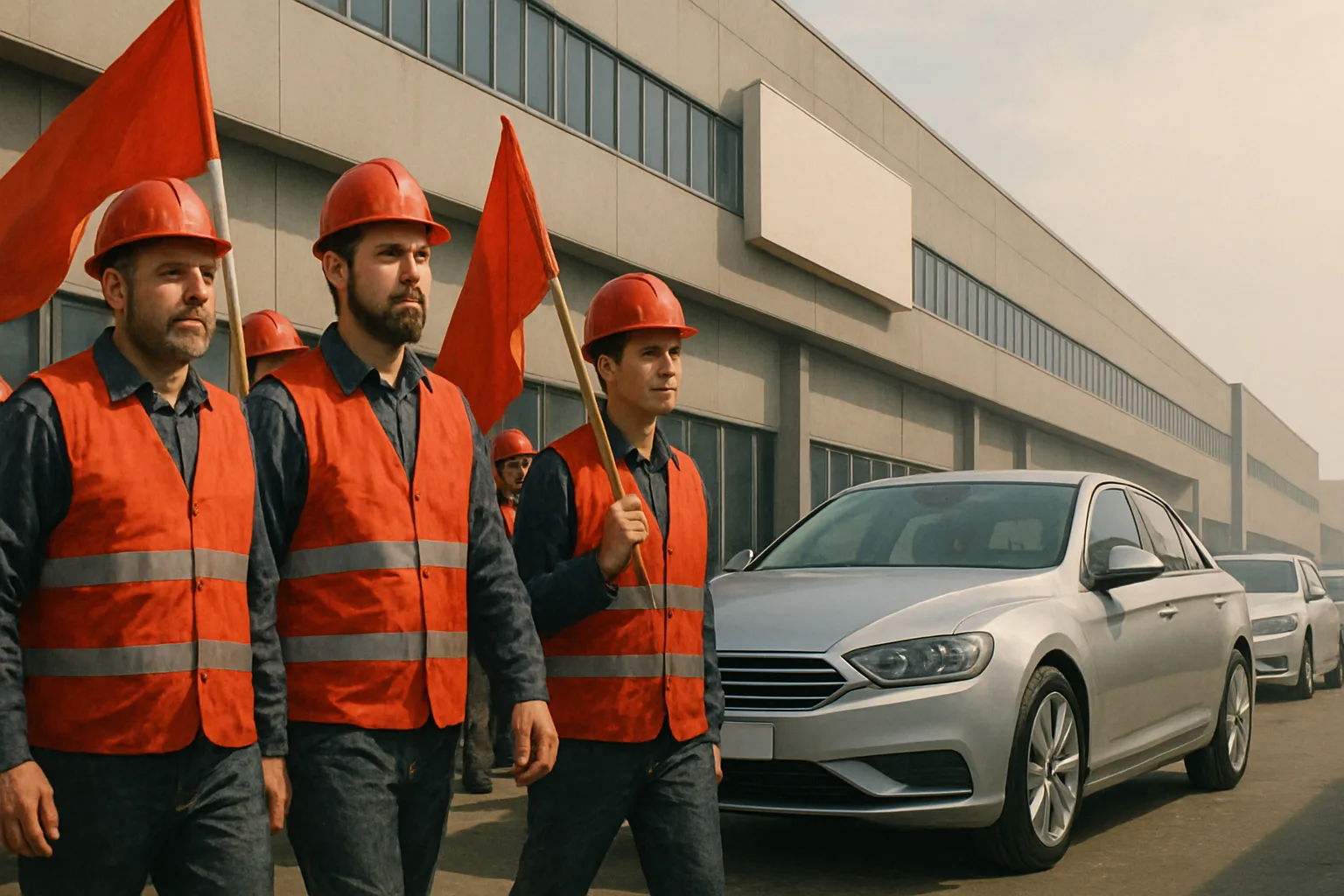
IG Metall, Germany’s largest industrial union, has accepted a 3.4% wage increase for metal and engineering workers in Baden-Württemberg, the country’s automotive heartland. The deal was reached after a month of warning strikes involving around 100,000 workers at 480 factories, including facilities for Daimler, Porsche and Bosch.
The union had originally demanded a 5.5% pay rise, citing strong economic growth and low inflation, while employers countered with a 2.2% offer. The compromise, at 3.4%, is more than three times the national inflation rate, which averaged 0.9% in the previous year.
The agreement also includes a one-off payment of €150, as well as new provisions for part-time work for older employees and increased access to job-related training. These points were key concerns for IG Metall, which represents 3.7 million workers across Germany’s industrial sectors.
Why the Baden-Württemberg Deal Matters
Wage agreements in Baden-Württemberg often set the pattern for other regions and sectors. The state is home to the headquarters and major plants of Daimler, Porsche and Bosch, making it a bellwether for Germany’s wider automotive and engineering industries.
The deal follows a period of industrial action, with IG Metall deploying warning strikes to press its case. Employers described the settlement as painful, but union officials said it was a satisfactory compromise that would support private consumption, currently a key driver of the German economy.
Implications for Other Regions and Sectors
Agreements struck in Baden-Württemberg are typically used as templates for wage settlements in other German regions. The outcome is likely to influence pay negotiations across the country’s auto supply chain, including at other major manufacturers and suppliers.
The agreement also addresses some issues raised by an ageing workforce, such as flexible part-time options for older employees. This could have a long-term impact on labour practices in Germany’s manufacturing sector, which faces demographic challenges as well as international competition.