GM in talks to acquire one-third stake in Isuzu
General Motors is considering a $3 billion investment for more than one-third of Isuzu Motors, potentially reviving a partnership ended during GM's 2006 restructuring.
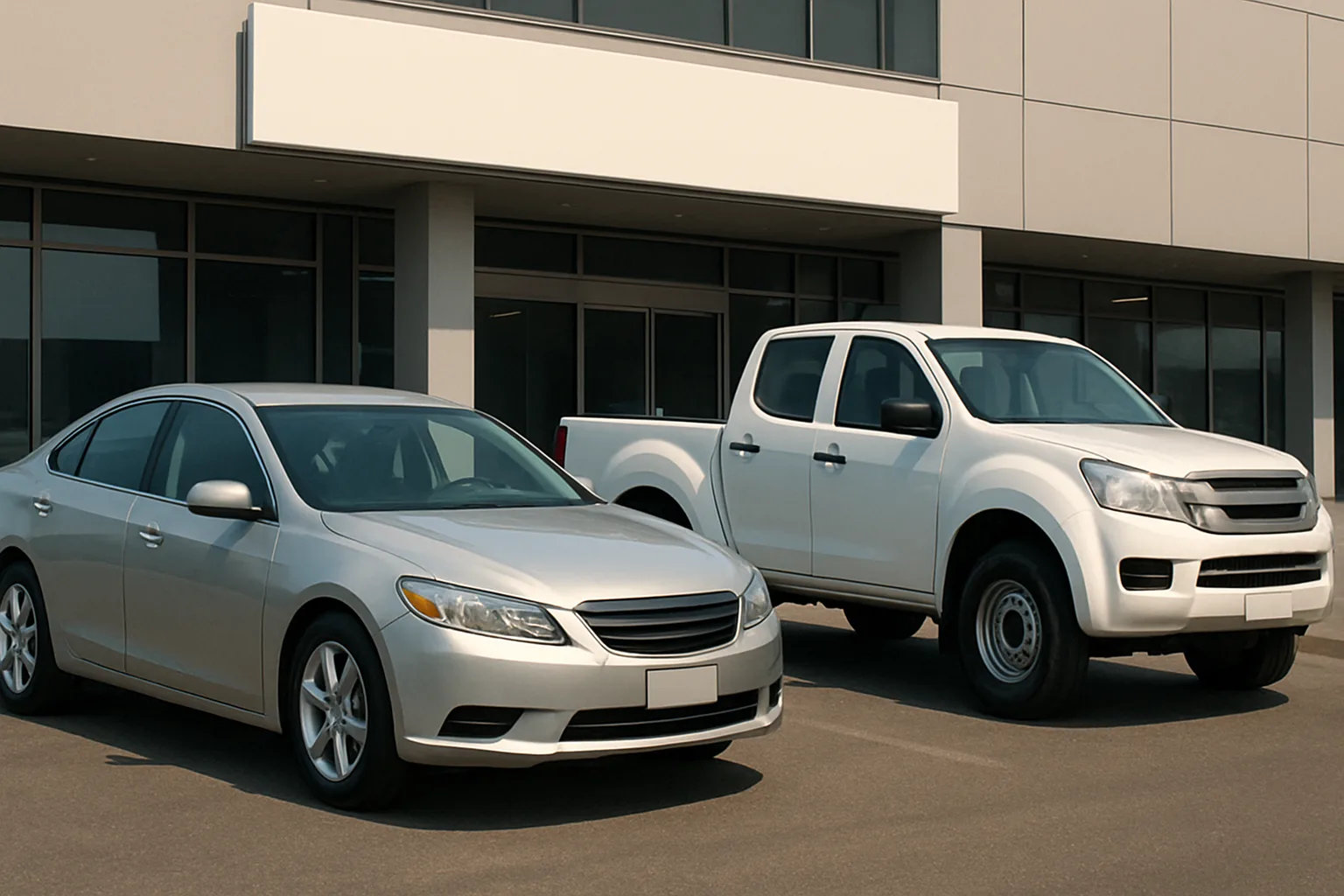
General Motors (GM) and Isuzu Motors have a history of collaboration that stretches back over three decades. Their partnership began in the early 1970s, with GM at one point holding a substantial stake in Isuzu. Over the years, the alliance led to joint projects in commercial vehicles and diesel engine development, with Isuzu supplying engines and technology to GM for use in various markets. However, in 2006, amid a major restructuring, GM divested its shares in Isuzu, ending a 35-year capital alliance. The exit allowed other shareholders, including Toyota and Mitsubishi Corporation, to increase their influence in Isuzu.
Background: GM and Isuzu's Longstanding Relationship
Details of the Potential Deal
According to reports from Reuters and the Nikkei, GM is now considering a return to Isuzu, with talks underway for an investment valued at approximately $3 billion. If successful, GM would acquire more than a one-third stake in the Japanese automaker. This would represent a significant move, re-establishing GM as a major shareholder and potentially reviving the collaborative relationship that was set aside in 2006. The two companies are said to be arranging a meeting between GM Chief Executive Dan Akerson and Isuzu President Susumu Hosoi, with the aim of reaching an agreement by the summer of 2012. The negotiations are expected to formally begin in early May 2012.
Shareholder Structure and Implications
| Shareholder | Stake (%) |
|---|---|
| Toyota Motor Corporation | 5.9 |
| Mitsubishi Corporation | 9.2 |
| General Motors (proposed) | Over 33 |
| Other shareholders | <52 |
Toyota became a significant shareholder shortly after GM’s exit in 2006. If GM succeeds in acquiring over a third of Isuzu, it would become the largest single shareholder, which could shift the balance of influence within the company. The potential impact on Toyota’s position remains uncertain. Mitsubishi Corporation also holds a notable stake, but GM's renewed involvement would surpass both existing major shareholders.
The deal would also have implications for Isuzu’s other partnerships. The company is expected to end capital tie-up talks with Volkswagen if the GM investment goes ahead. However, negotiations for supplying pickups to Volkswagen in the Thai market may continue independently, suggesting that operational collaborations could remain even if capital alliances change.
Market Reaction and Industry Impact
- Isuzu shares rose by 1.5% to ¥466 in Tokyo trading after news of the potential deal.
- The broader Nikkei 225 index declined by 1% on the same day.
- Investors appear to view the possible GM investment as positive for Isuzu, anticipating renewed access to GM’s resources and networks.
For GM, regaining a significant stake in Isuzu could strengthen its presence in the Asian commercial vehicle sector, where Isuzu has a strong reputation, particularly in trucks and diesel engines. The alliance could also revive technology and product links, allowing both companies to leverage each other's strengths in engineering and manufacturing.
Potential Consequences for Competitors
The proposed deal may also influence the competitive positioning of Toyota and Volkswagen. Toyota’s role as a minority shareholder could be diminished if GM becomes the dominant investor. Meanwhile, Volkswagen’s efforts to form a capital tie-up with Isuzu would likely end, although supply arrangements for pickups in Thailand might still proceed. This could affect Volkswagen’s strategy in the region and its access to Isuzu’s technology.
Next Steps and Outlook
- GM and Isuzu are working towards arranging high-level meetings to finalise the terms of the investment.
- The goal is to reach an agreement by the summer of 2012.
- Regulatory reviews, shareholder approval, and ongoing negotiations with other partners may affect the timeline.
- Industry analysts and competitors are closely watching the outcome due to its potential to reshape alliances within the sector.
Should the deal go ahead, it could mark the beginning of a new chapter for both GM and Isuzu, restoring a partnership with a long and complex history and potentially influencing the strategies of other major industry players.