Honda points to McLaren for F1 partnership negativity
Yasuhisa Arai says Honda is unfairly blamed for McLaren's Formula One struggles, highlighting communication issues and the need for unity within the team.
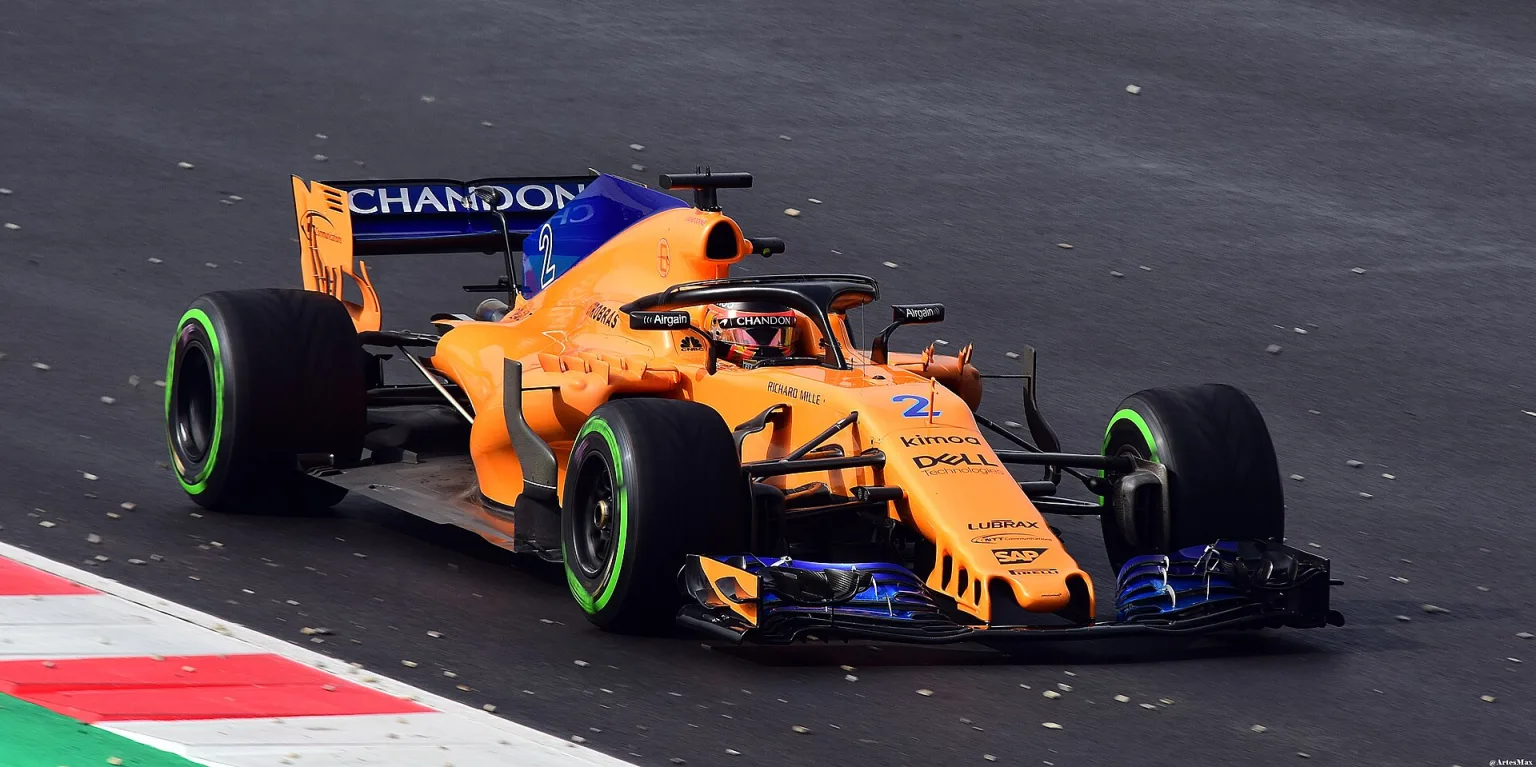
Honda's Formula One chief Yasuhisa Arai has suggested McLaren is partly responsible for the negative atmosphere surrounding their troubled partnership, as the alliance faced public criticism and internal strain during the 2015 season.
The partnership, relaunched for 2015, has come under increasing pressure after a series of poor results and high-profile outbursts from both drivers and management. At Suzuka, Honda's home track, Jenson Button threatened to quit and Fernando Alonso described the Honda engine as a "GP2 engine" over team radio, calling it "embarrassing" in front of the Japanese manufacturer's top executives.
Earlier in September at Monza, Yasuhisa Arai faced pointed questions from the press, with many interpreting the confrontation as orchestrated by McLaren to shift blame for the team's lacklustre performance. Arai told Spanish newspaper El Pais that communication between the partners was improving, but that the "harassment and attack" at Monza was excessive. He said Honda should not take all the blame for the team's struggles, insisting that the situation was not solely down to the power unit.
Arai acknowledged Honda's shortcomings, particularly in the energy recovery system, which left the team as much as 160 horsepower down at circuits with long straights. He said that solving this would require a redesign that could not be achieved within the season, but work was already underway for the following year.
Fractures within the McLaren-Honda partnership
Despite Ron Dennis's insistence that McLaren and Honda remained united, the public airing of grievances has exposed cracks in the relationship. Arai said that, while technical support from McLaren was present, he expected more from the team in terms of managing public perception and maintaining unity. He argued that it was the team's responsibility not to create situations that fostered division.
Arai also suggested that Honda might have been better off developing its power unit away from the spotlight, rather than returning to F1 in 2015 before the technology was ready. He maintained, however, that the experience had accelerated learning for Honda, even if the results were disappointing.
Drivers voice frustration as pressure mounts
The tension has not been confined to management. Jenson Button publicly considered leaving, while Alonso's "GP2 engine" comment drew widespread attention and embarrassment for Honda. The drivers' frustration has only added to the scrutiny facing the partnership.
With both the power unit and chassis underperforming, and public unity in question, the McLaren-Honda alliance faces a critical period as it looks to regroup for the next season. Arai's comments underline that, from Honda's perspective, the blame for 2015's negativity should be shared more evenly within the team.
For further context on the technical and management issues affecting the partnership, seeHonda says McLaren chassis also to blame for 2015 F1 woes.