

Diesel dominates UK road fuel sales as petrol demand rebounds
Diesel accounted for over 65% of UK road fuel sales in 2017, but petrol demand saw a notable rebound as prices fell in late 2018.
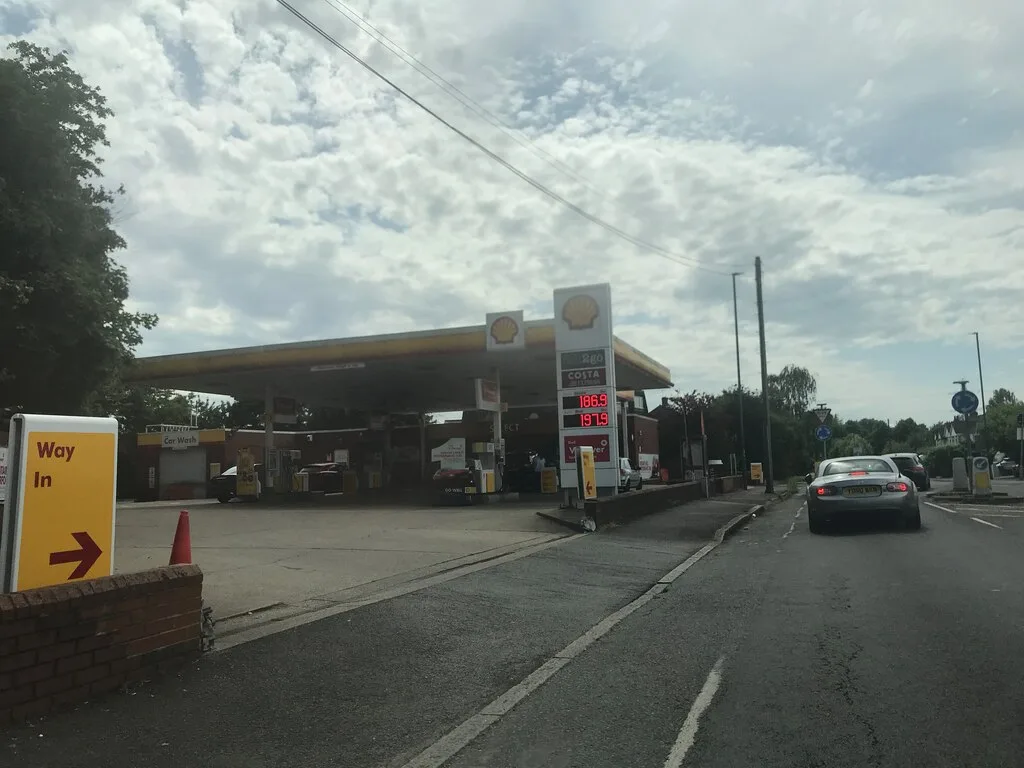
Diesel maintained a clear lead in the UK road fuel market in 2017, accounting for more than 65% of total sales, according to the UK Petroleum Industry Association’s 2018 Statistical Review. Sales of diesel as road fuel reached nearly 30 billion litres, a 1% increase on the previous year, while petrol demand stayed flat at 16.1 billion litres.
Despite diesel’s overall dominance, the market is showing early signs of change. The growth rate for diesel demand in 2017 was well below the 4% annual average seen over the previous three decades. Petrol, after years of decline, saw its demand rebound in late 2018 as pump prices dropped below 120p per litre, lifting monthly consumption to its highest level in more than four years.
Diesel demand holds steady despite falling car sales
While diesel fuel sales continued to rise slightly, the number of new diesel cars registered in the UK fell sharply. UKPIA reported a 17.1% drop in diesel car sales in 2017, while petrol car sales grew by 2.7%. The AA’s analysis for 2018 showed an even steeper 29.6% drop in new diesel registrations, with petrol car sales up 8.7%. Yet, diesel demand for road fuel remained nearly flat, buoyed by commercial vehicles and record road traffic levels.
This resilience in diesel consumption is attributed to haulage and delivery vans, which continue to rely on diesel engines for efficiency and range. Despite the collapse in new diesel car sales, the fuel’s share of the market has been maintained by commercial demand rather than private motorists.
Petrol sales respond to price changes
Petrol’s long-term decline reversed temporarily in late 2018, as falling pump prices drove up demand. According to the AA, UK monthly petrol sales in November 2018 reached 1.515 billion litres, the highest since August 2014. This rebound followed an 11.5p per litre drop in petrol prices during the autumn, which brought average prices below 120p per litre for the first time since March that year.
Despite this spike, full-year petrol demand in 2018 was still down 1.2% from 2017, reflecting the broader downward trend. The AA noted that high pump prices earlier in the year had knocked demand, with 179 million litres less sold from January to November compared to the previous year. Supermarket price competition and regional price gaps continue to influence consumer behaviour at the pumps.
What’s driving the shift?
Shifting consumer preferences, government policy on emissions, and the rise of efficient petrol engines all play a part in the changing mix. Advances in engine technology have improved fuel efficiency, dampening the link between road travel demand and fuel sales. Meanwhile, the sharp drop in diesel car sales reflects changing attitudes and regulatory pressures on diesel emissions.
UK refinery production has also fallen, down 20% since 2011, following the closure of key sites and capacity reductions. Most of the output remains for domestic consumption, but the market’s direction is increasingly shaped by efficiency gains and consumer response to price movements.
- Diesel dominates UK road fuel sales, but growth is slowing.
- Petrol demand remains sensitive to price changes.
- Commercial vehicles are keeping diesel demand steady despite falling car sales.
- Efficiency improvements are reducing the link between travel and fuel demand.