Tata Motors quarterly profit more than doubles on Nano and overseas gains
India’s largest vehicle maker reported a net profit of 7.29 billion rupees for July–September 2009, driven by strong domestic sales and contributions from foreign brands.
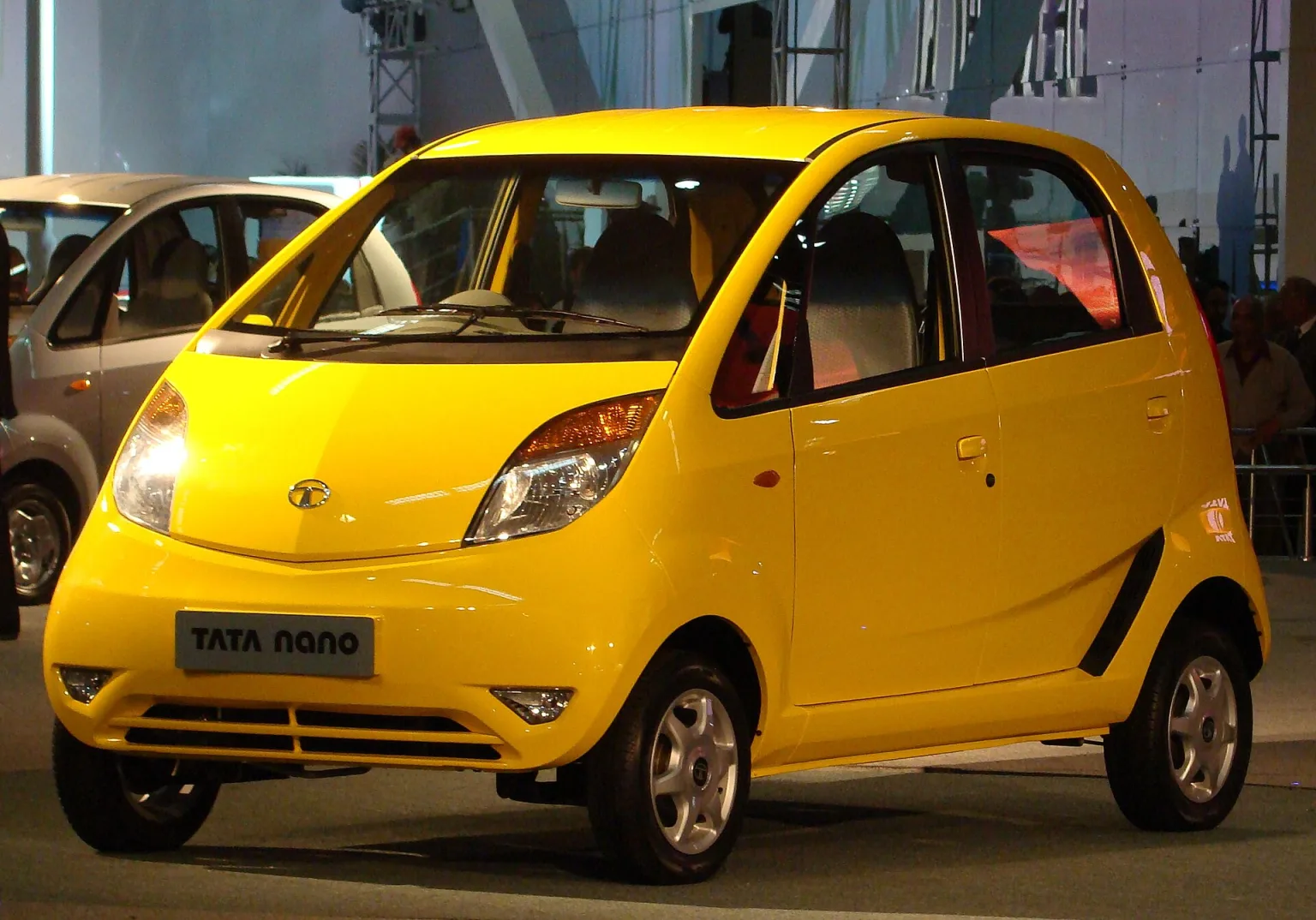
Tata Motors, India’s leading vehicle manufacturer, reported a sharp increase in profits for the quarter ending September 2009. Net profit soared to 7.29 billion rupees, more than doubling the 3.47 billion rupees posted for the same period a year earlier. The company attributed this performance to strong domestic demand, particularly for its Nano city car, and improved results from its recently acquired foreign brands.
Tata Motors Doubles Profit in Third Quarter of 2009
Quarterly Sales and Revenue Growth
In the July–September 2009 quarter, Tata Motors sold 158,575 vehicles, marking a 17.4% increase from the previous year’s figure. Net sales for the period rose about 13% to 79.24 billion rupees, reflecting the company’s ability to capitalise on recovering demand in India. This growth in both volume and revenue signalled a strong rebound from the challenges faced during the global financial crisis.
The profit figure of 7.29 billion rupees far exceeded analyst expectations, which had averaged around 4 billion rupees for the quarter. This outperformance highlighted the effectiveness of Tata Motors’ recent strategies and the resilience of the Indian automotive market during this period.
Factors Behind the Profit Surge
Tata Motors credited much of its domestic sales growth to the introduction of the Nano, its low-cost city car, alongside new product launches and model variants. The Nano’s strong reception among Indian consumers helped revive passenger vehicle sales following a difficult previous year for the industry. Improved liquidity in the domestic market and a revival in industrial activity further supported demand for Tata’s vehicles.
Cost control was another significant contributor to the company’s improved margins. Tata Motors noted that stable material prices, combined with accelerated cost-reduction initiatives, had a positive impact on profitability. These efforts included streamlining operations and managing input costs more effectively, allowing the company to benefit as volumes recovered.
Role of Foreign Brands and Export Challenges
While domestic sales were robust, Tata Motors continued to face headwinds in export markets. The company cited a continued slowdown in major overseas markets and volatility in exchange rates as factors that negatively affected exports of both commercial and passenger vehicles. Despite these challenges, Tata’s foreign brands, acquired in recent years, contributed positively to overall profitability and helped offset some of the weakness in exports.
The company’s ability to maintain growth in the domestic market while managing difficulties abroad demonstrated the value of its diversified portfolio. The contribution of international operations, even amid global economic uncertainty, added resilience to Tata Motors’ financial results.
Industry Context and Market Recovery
Tata Motors’ strong third-quarter results reflected a broader recovery in the Indian automotive sector in late 2009. As consumer confidence improved and credit became more accessible, demand for vehicles picked up across the country. The company’s performance was particularly notable given the difficult economic environment of the previous year, which had seen a sharp slowdown in sales and profitability across the industry.
The company’s results also indicated that strategic investments in new products and operational efficiency were beginning to pay off. The successful launch of the Nano, in particular, positioned Tata Motors as a leader in the affordable vehicle segment, attracting new buyers and driving overall volume growth.
Comparison of Key Financial Results
| Q3 2008 | Q3 2009 | |
|---|---|---|
| Net profit (billion rupees) | 3.47 | 7.29 |
| Net sales (billion rupees) | 70.08 | 79.24 |
| Vehicles sold | 135,170 | 158,575 |
Looking Ahead
Despite the strong domestic performance, Tata Motors acknowledged ongoing risks in the global market, particularly for exports. The company remained cautious about the impact of exchange rate volatility and the slow recovery in key overseas markets. However, the positive momentum in India and the contribution from its foreign brands suggested a more stable outlook for the coming quarters.
Tata Motors’ ability to more than double its profit in a challenging environment underscored the company’s adaptability and the effectiveness of its recent strategies. Continued focus on product innovation, cost control, and market expansion will be crucial as the company navigates both domestic opportunities and international uncertainties in the automotive sector.