Jaguar cancels £1m Williams hybrid supercar project
Jaguar has abandoned plans to build the C-X75 hybrid supercar with Williams, citing global economic conditions as the key reason for the decision.
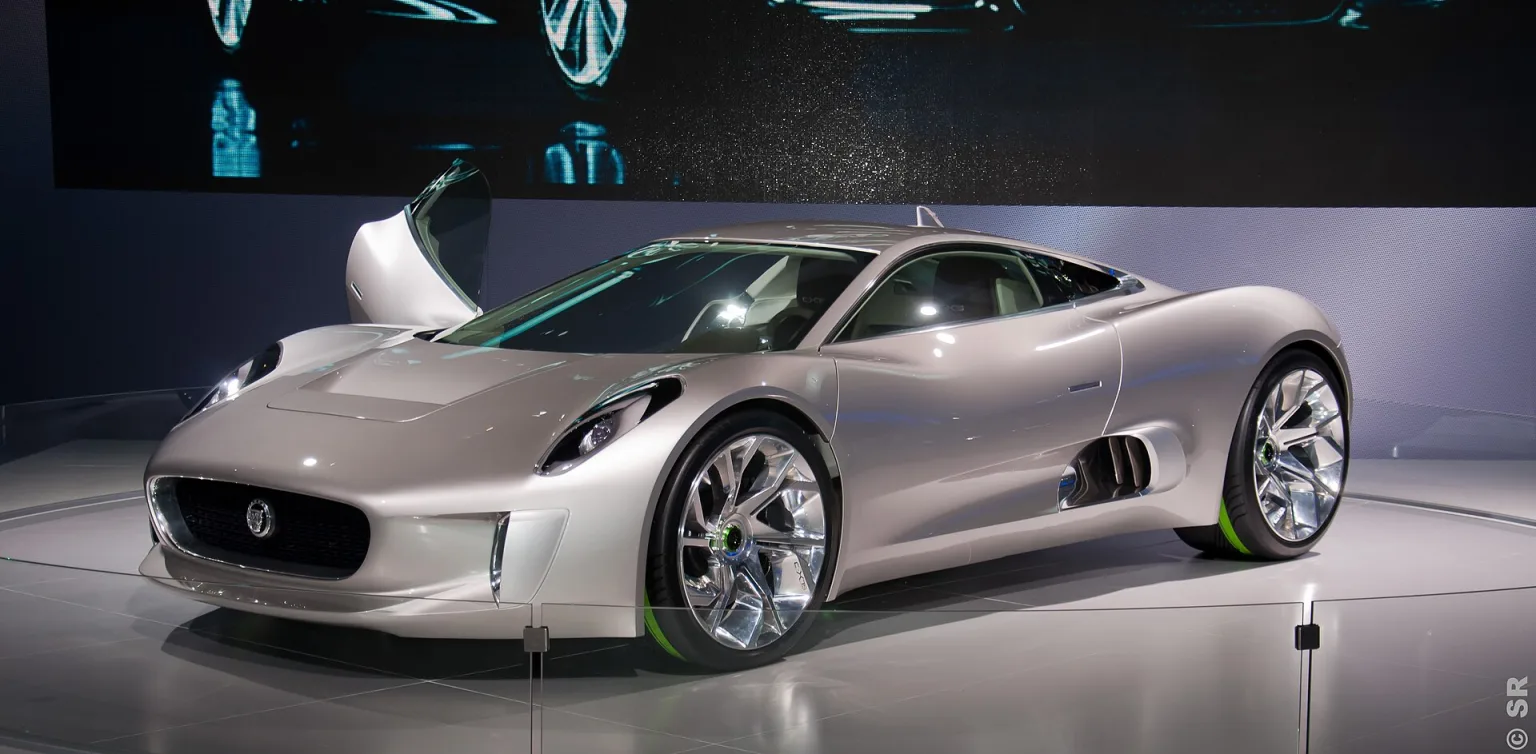
Jaguar and Williams Advanced Engineering announced their collaboration on the C-X75 in 2011, aiming to create a groundbreaking hybrid supercar. The project followed the unveiling of the C-X75 concept in 2010, which had generated significant excitement thanks to its advanced technology and bold design. Jaguar, owned by Tata Motors, sought to position the C-X75 as a technological flagship, combining high performance with ultra-low emissions. Williams, best known for its Formula One team, was brought in to provide expertise in aerodynamics and hybrid systems, leveraging its experience in motorsport engineering.
Background: The C-X75 Project
The plan was to build up to 250 cars, each with a price tag of around £1 million. The C-X75 was to feature a complex hybrid drivetrain, pairing a 1.6-litre turbocharged and supercharged four-cylinder engine with electric motors on both axles. Early targets included a 0-60mph time of under three seconds, a top speed of 200mph, and CO2 emissions below 99g/km. These figures would have set new standards for the performance hybrid segment and placed Jaguar in direct competition with other emerging hybrid hypercars from Ferrari, McLaren, and Porsche.
Reasons for Cancellation
Despite the technical promise of the C-X75, Jaguar decided to cancel the project in late 2012. The primary reason cited was the challenging global economic climate. In the wake of the financial crisis, luxury car markets were cautious, and austerity measures were in place in many regions. Executives at Jaguar Land Rover determined that launching a £1 million supercar was not viable at a time when consumers and investors were wary of high-end, niche products.
Adrian Hallmark, Jaguar’s global brand director at the time, explained that while the company could have technically produced the car, the timing was not right given the broader economic context. This decision meant that the partnership with Williams, which had been a cornerstone of Williams’ strategy to expand beyond Formula One, would formally end in May 2013. However, both companies left open the possibility of working together again in the future.
Consequences for Jaguar and Williams
The cancellation of the C-X75 project had notable consequences for both Jaguar and Williams. For Jaguar, the car was intended to serve as a halo model, showcasing the brand’s innovation and engineering capabilities. Its absence left Jaguar without a direct competitor to the new wave of hybrid supercars being launched by rivals such as Ferrari (LaFerrari), McLaren (P1), and Porsche (918 Spyder). The C-X75’s cancellation was a setback for Jaguar’s ambitions in the high-performance hybrid sector and its efforts to reinforce its image as a leader in advanced automotive technology.
For Williams, the project represented an important step in diversifying its business beyond motorsport. The engineering division had positioned the C-X75 as a key project to demonstrate its capabilities to potential clients outside Formula One. The loss of the project meant Williams missed an opportunity to showcase its expertise in hybrid powertrains and aerodynamics to a wider audience.
What Was Lost: Technical Ambitions
The C-X75 was designed to push the boundaries of what a road-going supercar could achieve. By combining a small, highly boosted petrol engine with advanced electric motors, Jaguar and Williams hoped to achieve performance levels previously reserved for traditional supercars, but with a dramatic reduction in emissions. The car’s projected performance figures, such as a sub-three-second 0-60mph time and 200mph top speed, would have made it one of the fastest and most efficient cars of its era.
The hybrid system and F1-inspired aerodynamics were intended to set the C-X75 apart from its competitors. The project also represented a significant investment in British engineering talent and technology. Although the car was never produced for customers, several prototypes were built and tested, some of which have since appeared at events and in media, serving as a reminder of what might have been.
Future Prospects
While the C-X75 project did not reach production, the technology and expertise developed during its brief life have influenced other areas of Jaguar Land Rover’s business. Elements of the hybrid technology and lightweight construction techniques have found their way into other models and research programmes. For Williams, the experience contributed to its ongoing efforts to apply motorsport-derived technology to road cars and other industries.
The story of the C-X75 remains a notable example of how external economic factors can shape the fate of even the most ambitious engineering projects. While the original vision was not realised, the collaboration between Jaguar and Williams demonstrated the potential for cross-industry innovation and set the stage for future developments in high-performance, low-emission vehicles.