Japanese Dealers Sell Cars Exposed to Fukushima Radiation
Hundreds of used vehicles exposed to radiation near Fukushima have entered Japan’s domestic market after failing stricter export checks imposed in 2011.
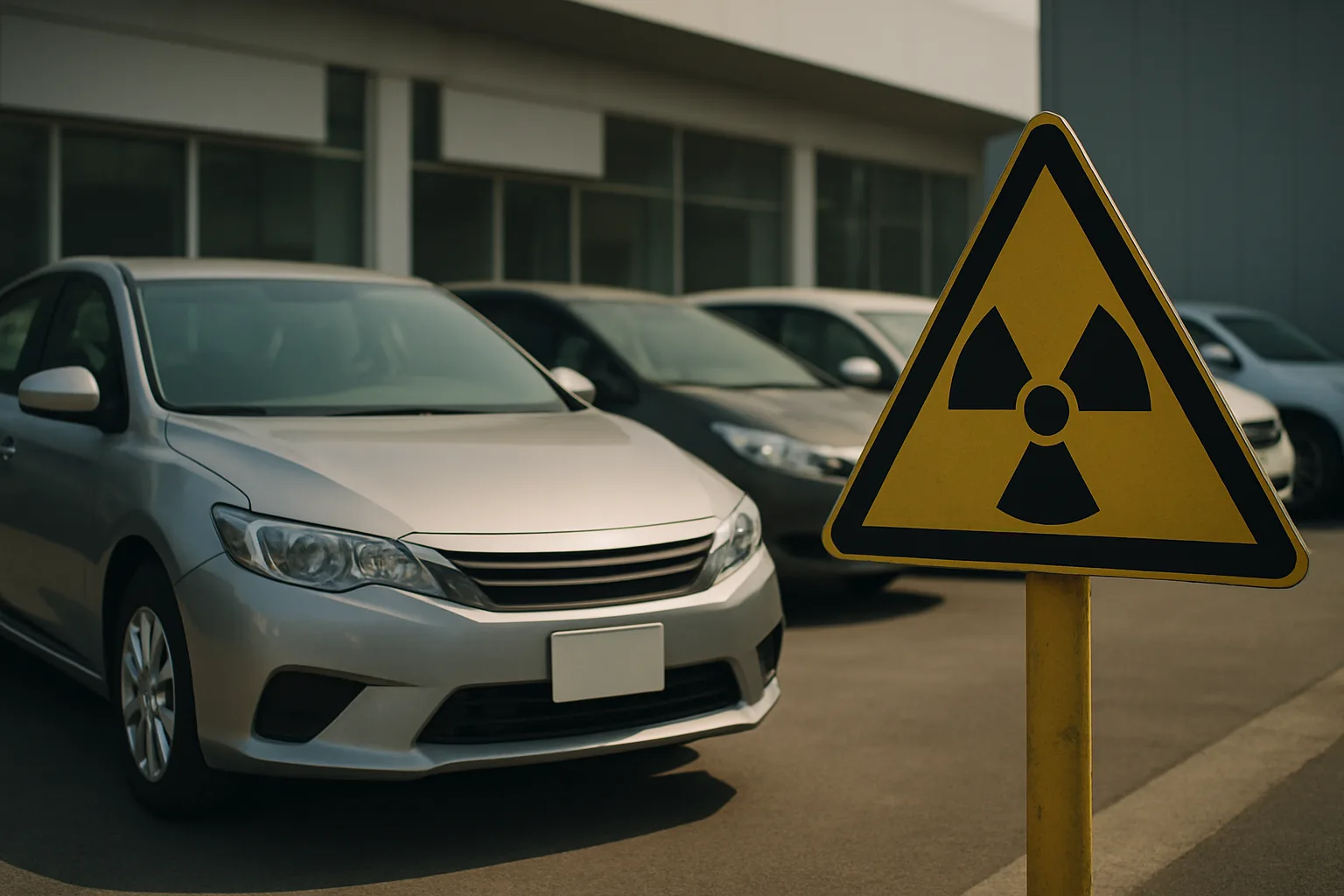
Japanese car dealers have sold hundreds of used vehicles exposed to unsafe radiation levels following the Fukushima nuclear disaster, after export restrictions tightened in August 2011. These cars, sourced from regions affected by the March earthquake and tsunami, have entered the domestic market despite failing to meet new safety standards for export.
The Japanese government introduced stricter radiation limits for exported vehicles in August 2011, reducing the maximum allowed from 5 microsieverts per hour to just 0.3 microsieverts. Vehicles exceeding this threshold are no longer permitted for export, a move aimed at reassuring overseas buyers and trading partners following the Fukushima disaster. The change has had a direct impact on dealers who traditionally export used Japanese cars to Russia and Southeast Asia, with over 660 vehicles retained for excessive radioactivity since the rule took effect.
Domestic market absorbs contaminated stock
Unable to export cars that fail the new radiation tests, some dealers have turned to Japan’s domestic market to offload stock. According to reports, these vehicles are often sold at discounted prices, with buyers sometimes unaware of their exposure history. One minivan, refused for export, was later found to have radiation levels more than 20 times the permissible export limit after being sold domestically.
Japan’s used car export industry is a major business, with significant trade to Russia and Southeast Asia. The government’s tighter controls were intended to prevent contaminated vehicles from reaching foreign markets and to protect the reputation of Japanese exports. With the new rules in place, however, some of the affected vehicles have simply shifted to domestic buyers, raising concerns about consumer safety and transparency in the second-hand market.
How the export ban works
The revised regulations require radiation checks on vehicles intended for export. Any car registering above 0.3 microsieverts per hour at the time of inspection is barred from leaving the country. While this has reassured importers, it has not prevented the sale of such vehicles within Japan, where no equivalent domestic restriction applies. The scale of the problem remains limited to a small proportion of total used car sales, but the issue has highlighted gaps in consumer protection for Japanese buyers compared to those overseas.
- Over 660 cars blocked from export due to radiation since August 2011
- Export trade mainly affected: Russia, Southeast Asia
- No equivalent domestic radiation limit for used car sales
The Japanese government’s response has focused on export controls rather than domestic sales, leaving local buyers to rely on dealer disclosure and their own due diligence. The long-term implications for consumer confidence in the used car market are unclear, but the incident has drawn attention to the challenges of managing contaminated goods after a major nuclear event.