Hyundai Labour Dispute Halts 41,000 Vehicles, Costs $730 Million
Ongoing industrial action at Hyundai’s South Korean plants has led to a production shortfall of 41,000 vehicles and losses exceeding $730 million.
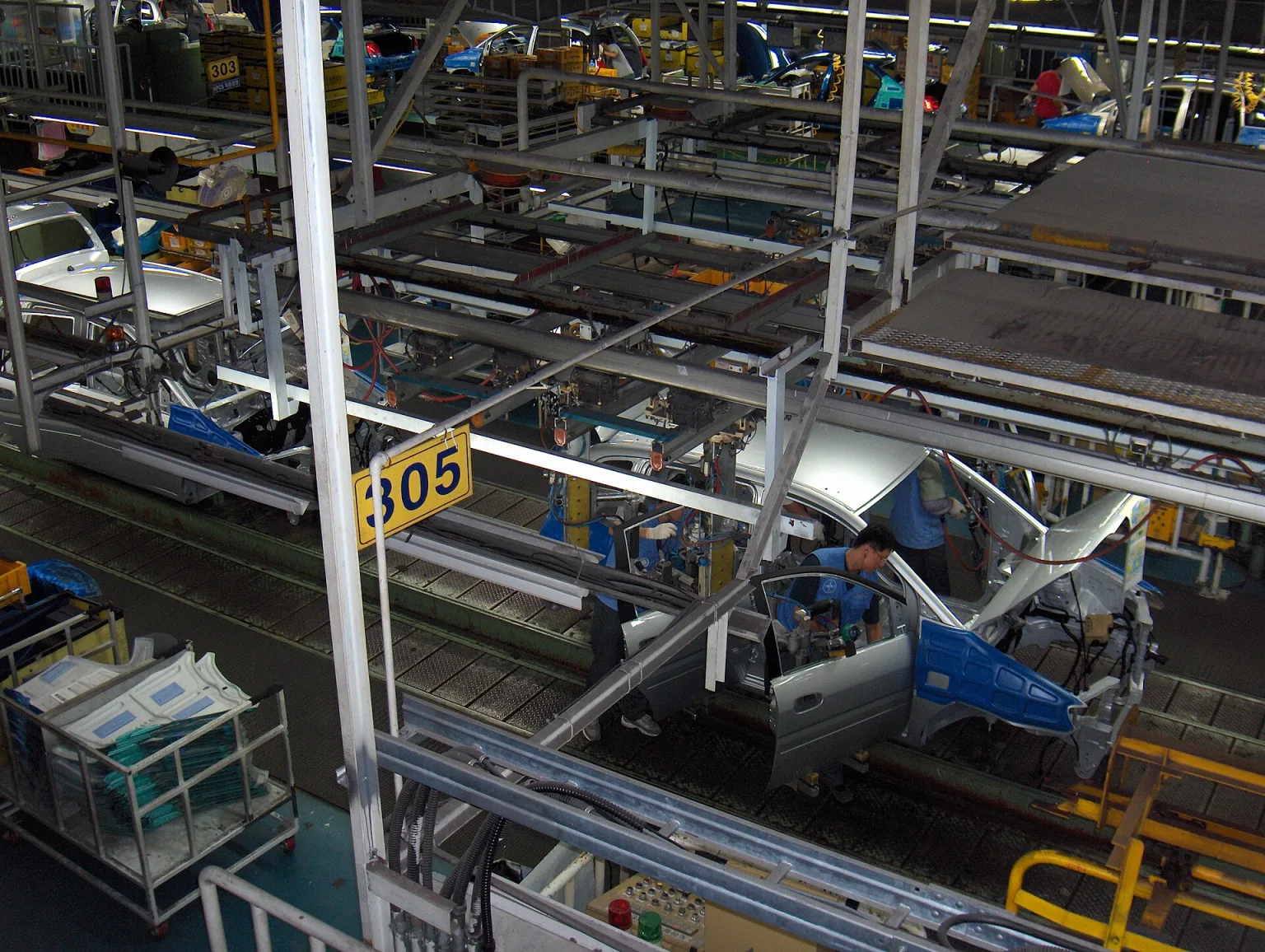
A significant labour dispute at Hyundai’s South Korean factories has led to the loss of 41,000 vehicles in production and more than $730 million in revenue. The dispute began in early March 2013, when approximately 45,000 union members started refusing to work weekend shifts. These plants are responsible for nearly half of Hyundai’s global vehicle output, so the consequences have been particularly severe for the company’s production and supply chain.
Background and Scale of the Dispute
The dispute centres on pay and working hours. In 2012, Hyundai, under union pressure, shortened weekend shifts and reduced the associated pay. The union now argues that this pay structure no longer reflects the increased productivity since then or the unsocial nature of weekend work. As a result, union members are seeking higher pay for weekend shifts to compensate for these factors. The refusal to work weekends has led to a substantial backlog and delayed deliveries both domestically and for export markets.
Impact on Hyundai’s Production and Revenue
Hyundai’s management has acknowledged the disruption, noting that the company’s South Korean plants are already less productive than some of its overseas facilities, such as those in the United States. The ongoing strikes have only widened this productivity gap. With nearly half of Hyundai’s global output coming from South Korea, the impact of the dispute is being felt throughout the company’s supply chain.
The financial consequences are significant. Hyundai estimates that the production loss has already amounted to more than $730 million. If the dispute continues through April, losses could exceed 1 trillion Korean won in sales. This shortfall not only affects Hyundai’s immediate revenue but also risks damaging relationships with dealers and customers due to delayed vehicle deliveries. The disruption has also made it more challenging for Hyundai to meet global demand, potentially opening opportunities for competitors in key markets.
Union Demands and Labour Relations
The current industrial action follows the election of Moon Yong-moon as the union’s leader two years ago. Moon’s leadership has been marked by a focus on securing higher salaries, longer careers, and shorter working hours for union members. These priorities have contributed to the union’s firm stance in the current dispute, with members pushing for pay that reflects both their increased productivity and the inconvenience of antisocial working hours.
Strikes of this scale are relatively unusual in South Korea’s automotive sector, but the recent actions at Hyundai highlight the volatility of labour relations in the country. This volatility is a concern for investors, who view stable labour relations as essential for predictable production and long-term profitability. The ongoing dispute serves as a reminder of the challenges Hyundai faces in balancing the demands of its workforce with the need to maintain efficient and reliable manufacturing operations.
Consequences for Hyundai and the Industry
The impact of the dispute extends beyond Hyundai’s immediate production losses. Delayed vehicle deliveries risk damaging the company’s reputation for reliability, both in South Korea and in export markets. Dealers and customers may turn to competitors if delays persist, especially in markets where vehicle availability is a key selling point. Such disruptions can also have knock-on effects for suppliers and logistics partners, who rely on Hyundai’s steady output for their own business stability.
Other automakers have faced similar challenges. For example, Volvo’s Ghent plant in Belgium experienced production slowdowns, and Japanese manufacturers have had to deal with supply chain disruptions after natural disasters. These incidents demonstrate how quickly industrial or external shocks can ripple through the automotive industry, affecting not just manufacturers but also suppliers, dealers, and customers around the world.
Ongoing Negotiations and Outlook
Negotiations between Hyundai management and union representatives are ongoing. Both sides face pressure to resolve the dispute and restore normal production as soon as possible. Hyundai is keen to avoid further financial losses and reputational damage, while the union seeks to secure better pay and working conditions for its members. The outcome of these talks will determine how quickly Hyundai can recover from the disruption and whether similar disputes might occur in the future.
Stable labour relations are crucial in global manufacturing. As Hyundai works towards a resolution, investors and industry observers will be watching closely to see if the company can restore confidence in its South Korean operations and maintain its position in the competitive automotive market.