VW Labour Leader: No Rush to Appoint New Chairman
Volkswagen’s powerful works council chief says the company should resolve its structure before seeking a permanent supervisory board chairman after Ferdinand Piëch’s resignation.
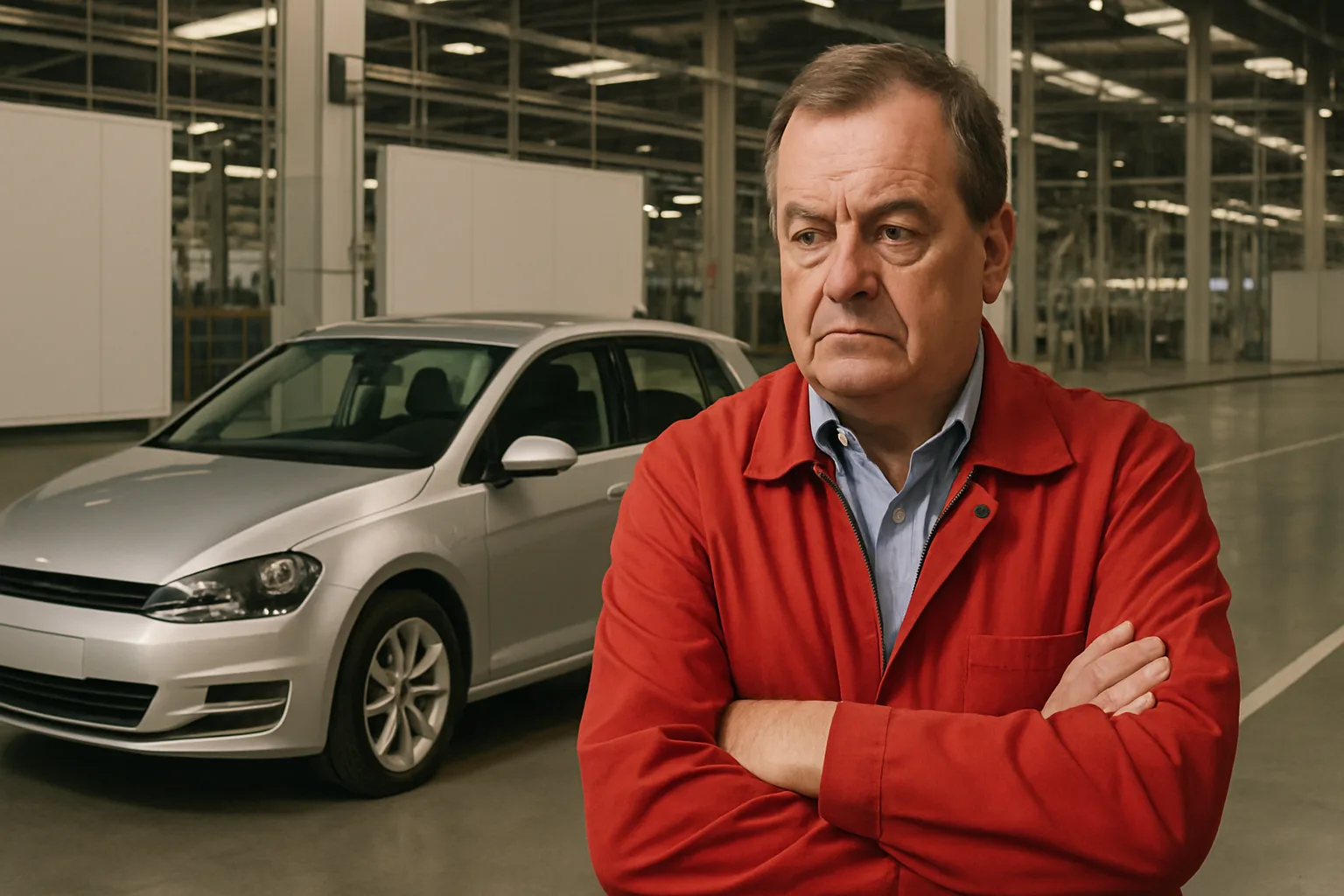
Volkswagen’s works council chief, Bernd Osterloh, has said the company can afford to delay appointing a new supervisory board chairman while it debates internal restructuring. The comment comes after the abrupt resignation of Ferdinand Piëch, who had led the board for more than two decades, leaving a power vacuum at the top of Europe’s largest carmaker.
Osterloh, who leads the influential employee representation body, stated that Volkswagen should first clarify its future structure before choosing a permanent chairman. “We want to first have a debate about the company structure, then we can talk about a supervisory board chair,” Osterloh said, reflecting concerns among labour representatives about the direction of the group after Piëch’s departure.
Labour and State Hold the Balance
Volkswagen’s governance structure gives employee representatives half the seats on the supervisory board, with the State of Lower Saxony holding two more. This bloc can approve or veto any candidate for chairman, making consensus essential. Following Piëch’s exit, labour leaders have sought to secure their influence over any future changes, particularly those affecting jobs and production efficiency.
The company has faced pressure from investors and analysts to appoint a strong chairman quickly, especially as CEO Martin Winterkorn manages ongoing challenges such as low profitability in the core VW brand. In the first quarter of 2015, the brand’s operating margin was just two percent, a figure that has drawn scrutiny from shareholders.
Next Steps for Volkswagen
Winterkorn has promised to deliver a new company structure by October 2015, a move backed by both the works council and Lower Saxony. Until then, Osterloh and other labour leaders appear content to hold off on appointing a new chairman, prioritising stability and their say in the group’s future direction.