Lyft Secures $1 Billion Investment Led by Alphabet’s CapitalG
Alphabet’s CapitalG leads a $1 billion funding round for Lyft, raising its valuation to $11 billion and intensifying the US ride-hailing contest with Uber.
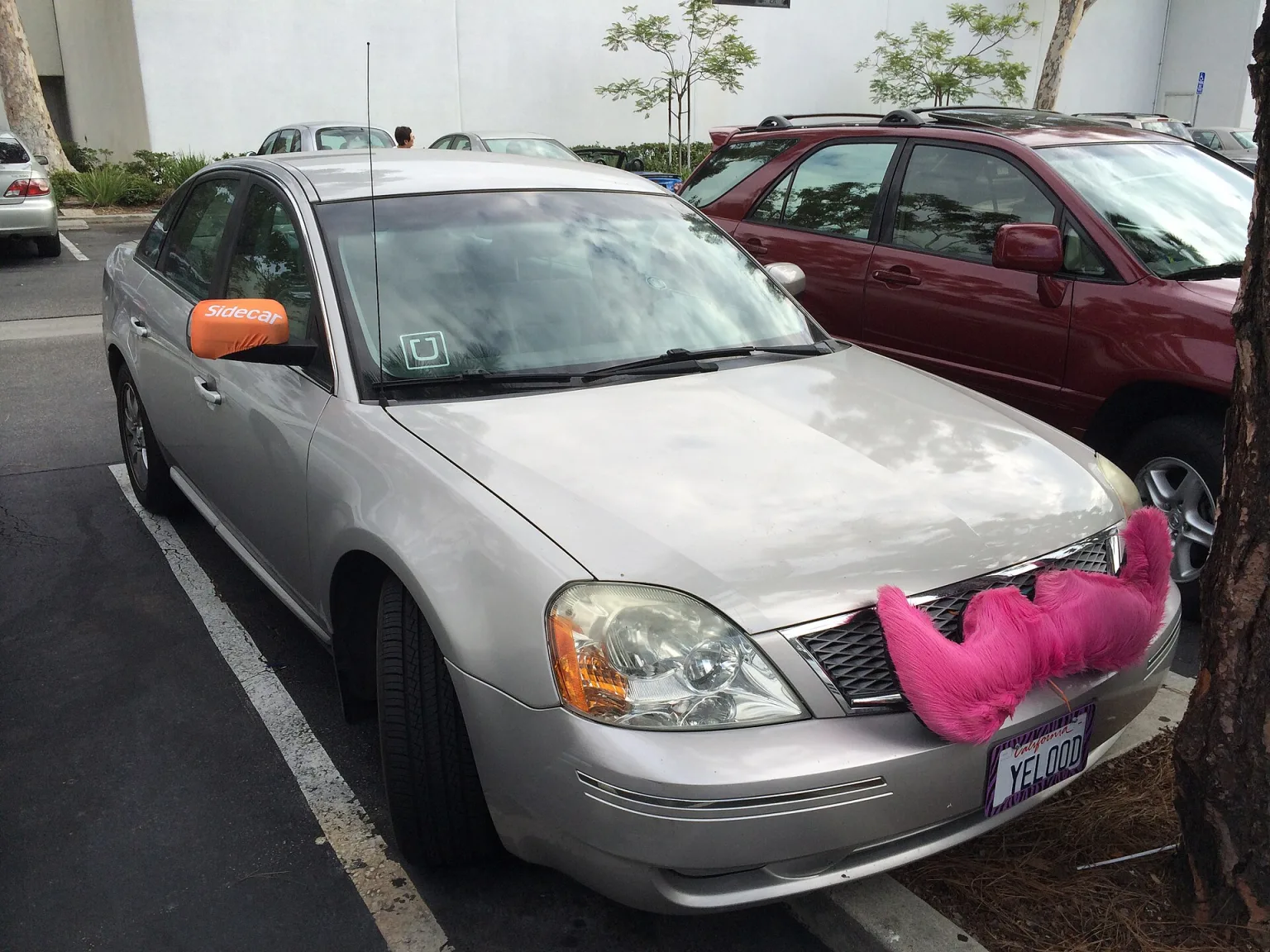
Lyft has raised $1 billion in new funding led by Alphabet’s CapitalG, increasing its post-money valuation to $11 billion. The deal, announced on 19 October 2017, places the US ride-hailing company in a stronger position as it continues to challenge Uber for market share across the country.
The investment round was led by CapitalG, Alphabet’s growth-focused venture arm. David Lawee, a partner at CapitalG, has joined Lyft’s board as part of the transaction. The round remains open to additional investors, but CapitalG’s involvement marks a notable shift in the tangled relationships among technology giants and ride-hailing firms. Alphabet’s GV (formerly Google Ventures) was an early investor in Uber, but relations between the companies have grown tense amid ongoing legal disputes between Uber and Alphabet’s self-driving subsidiary, Waymo [1][4].
Lyft’s valuation has climbed sharply over the past year. In April 2017, the company raised $600 million at a $7.5 billion valuation. The latest round values the company at $11 billion, a substantial increase from its $6.9 billion valuation before the new capital [1][4].
A changing competitive landscape
Lyft’s latest funding arrives as Uber faces a series of challenges, including multiple federal investigations and the ousting of its co-founder and former CEO Travis Kalanick. Uber was seeking to raise $2.1 billion at a $62.5 billion valuation in late 2015, highlighting the gap between the two companies at the time [2][3]. Lyft’s new capital and partnership with Alphabet give it a more robust financial base as it seeks to close that gap.
Lyft has also expanded its reach rapidly. The company now claims to serve 95 percent of the US population, up from 54 percent at the start of 2017 [1]. According to its own figures, Lyft has completed over 500 million rides to date.
Strategic partnerships and future direction
The funding round comes amid a broader push by Lyft to develop autonomous vehicle technology. The company has established partnerships with General Motors, Ford, Nutonomy and Alphabet’s Waymo through its Open Platform Initiative. This coalition aims to accelerate the development and deployment of self-driving vehicles within Lyft’s network [4].
Alphabet’s investment in Lyft further complicates the web of alliances in the ride-hailing and autonomous driving sectors. While CapitalG is now a major Lyft investor, Alphabet’s GV remains an Uber backer, and SoftBank (another major investor in the sector) has interests in both Uber and Didi, the Chinese ride-hailing giant that also invests in Lyft [4].
Implications for the US ride-hailing market
The influx of capital gives Lyft the resources to expand its operations, invest in technology and potentially increase its market share in the US. The timing coincides with a period of reputational difficulty for Uber, which has seen user defections and negative publicity. Lyft, by contrast, has positioned itself as a values-driven alternative, and has benefited from increased app installations and activations in the wake of Uber’s controversies [5].
The ride-hailing sector remains in flux, with both companies seeking to develop autonomous vehicles and forge new partnerships. Lyft’s latest funding round and Alphabet’s involvement signal that the contest for market leadership is far from settled.