Mallya Sells 42.5% Stake in Force India to Sahara Group
Vijay Mallya confirmed a $100m deal giving Sahara India a 42.5% stake in Force India, with the Formula One team rebranded as Sahara Force India.
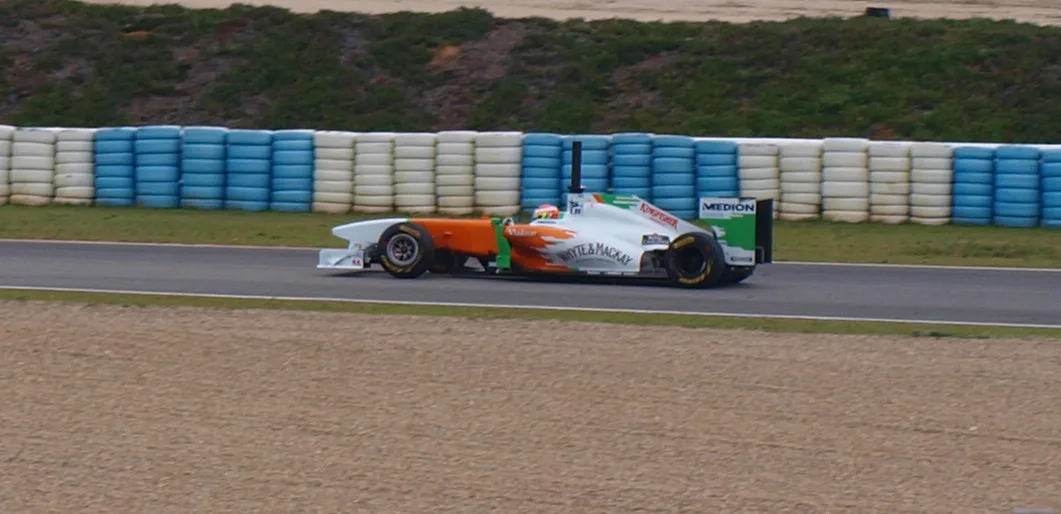
On 12 October 2011, Vijay Mallya confirmed that Sahara India Pariwar had acquired a 42.5% stake in the Force India Formula One team for $100 million. The announcement, made at a hotel in New Delhi, concluded weeks of speculation regarding the team’s future and the possibility of a new investor. Prior to this, Mallya had publicly denied that a sale was imminent, but the confirmation brought clarity to the team’s financial and ownership situation.
Background to the Force India Part-Sale
Force India, founded by Mallya in 2008 after he purchased the Spyker F1 team, had been operating on a comparatively modest budget. The team was based at Silverstone in the United Kingdom and had gradually improved its competitiveness in Formula One, but remained in need of greater financial backing to challenge the established front-runners. The sale came at a time when several midfield teams were seeking new investment to cope with rising costs and shifting sponsorship landscapes within the sport.
Details of the Sahara Investment and Rebranding
Sahara India’s $100 million investment secured it a 42.5% equity share in the team, placing it on equal footing with Mallya, who also retained approximately 42.5% and remained as team principal and chairman. The remaining 15% stayed with other shareholders. The Sahara Group’s chairman, Subrata Roy, joined Mallya for the official announcement, which also confirmed that the team would be rebranded as Sahara Force India. This rebranding reflected the new partnership and highlighted the increasing involvement of Indian businesses in Formula One, especially with the inaugural Indian Grand Prix scheduled for later in October 2011.
The deal was significant not only for its size, at the time, one of the largest single investments in a Formula One team, but also for its timing. The partnership was expected to provide Force India with the financial stability and resources necessary to invest in technical development, improve car performance, and strengthen its operational infrastructure. The additional funding was seen as crucial for the team’s ambitions to move up the grid and challenge more established rivals.
Implications for Force India and Formula One
With the Sahara investment, Force India anticipated a more secure future in the sport. Mallya emphasised that the partnership would help the team compete more effectively with established teams, as it would now have access to greater resources and financial backing. The move also underlined a broader trend within Formula One, where teams in the midfield increasingly sought new investment or strategic partnerships to remain competitive amid escalating costs and changing sponsorship dynamics.
The timing of the deal was particularly noteworthy, coming just weeks before the first ever Indian Grand Prix. The new ownership structure and the rebranding to Sahara Force India were expected to boost the team’s profile in India and attract more interest from Indian fans and sponsors. The partnership also showcased the growing interest of Indian conglomerates in global sporting ventures, further connecting the team to its national identity.
Ownership Breakdown After the Deal
| Owner | Shareholding (%) |
|---|---|
| Vijay Mallya | Approx. 42.5 |
| Sahara India Pariwar | 42.5 |
| Other shareholders | 15 |
Context and Broader Motorsport Trends
The Force India part-sale came during a period of significant change in Formula One. Other midfield teams were also seeking new investors or technical partnerships to stay competitive. The rising costs of competing in Formula One, coupled with changes in sponsorship patterns and the introduction of new markets such as India, meant that teams were looking for ways to secure their financial future. The Sahara investment in Force India was seen as a positive development, providing long-term stability and the potential for on-track progress.
The deal also had implications beyond Force India. It signalled to other potential investors that Formula One teams could be attractive partners, especially with the sport’s growing global reach. For Indian motorsport, the investment and rebranding were milestones that aligned with the country’s increased presence in the sport, both through the Grand Prix and through greater business involvement.
Looking Ahead for Sahara Force India
With the new ownership structure in place, Sahara Force India aimed to build on its progress and compete more effectively in the Formula One championship. The additional resources from Sahara India were expected to help the team invest in research and development, attract technical talent, and enhance its competitiveness. The rebranding was also expected to help the team connect with fans and sponsors in India, leveraging the excitement around the country’s first Grand Prix.
The partnership between Vijay Mallya and Subrata Roy marked a new chapter for the team, setting the stage for future growth and increased visibility on the world stage. As the 2011 season progressed, attention turned to how these changes would translate into performance on the track and whether Sahara Force India could achieve its ambitions in the highly competitive environment of Formula One.