Ferguson Bans Manchester United Youngsters from Driving Chevrolet Corvettes
Sir Alex Ferguson has prohibited Manchester United players under 23 from using Chevrolet Corvette sports cars provided by the club's new sponsor, aiming to keep young talent grounded.
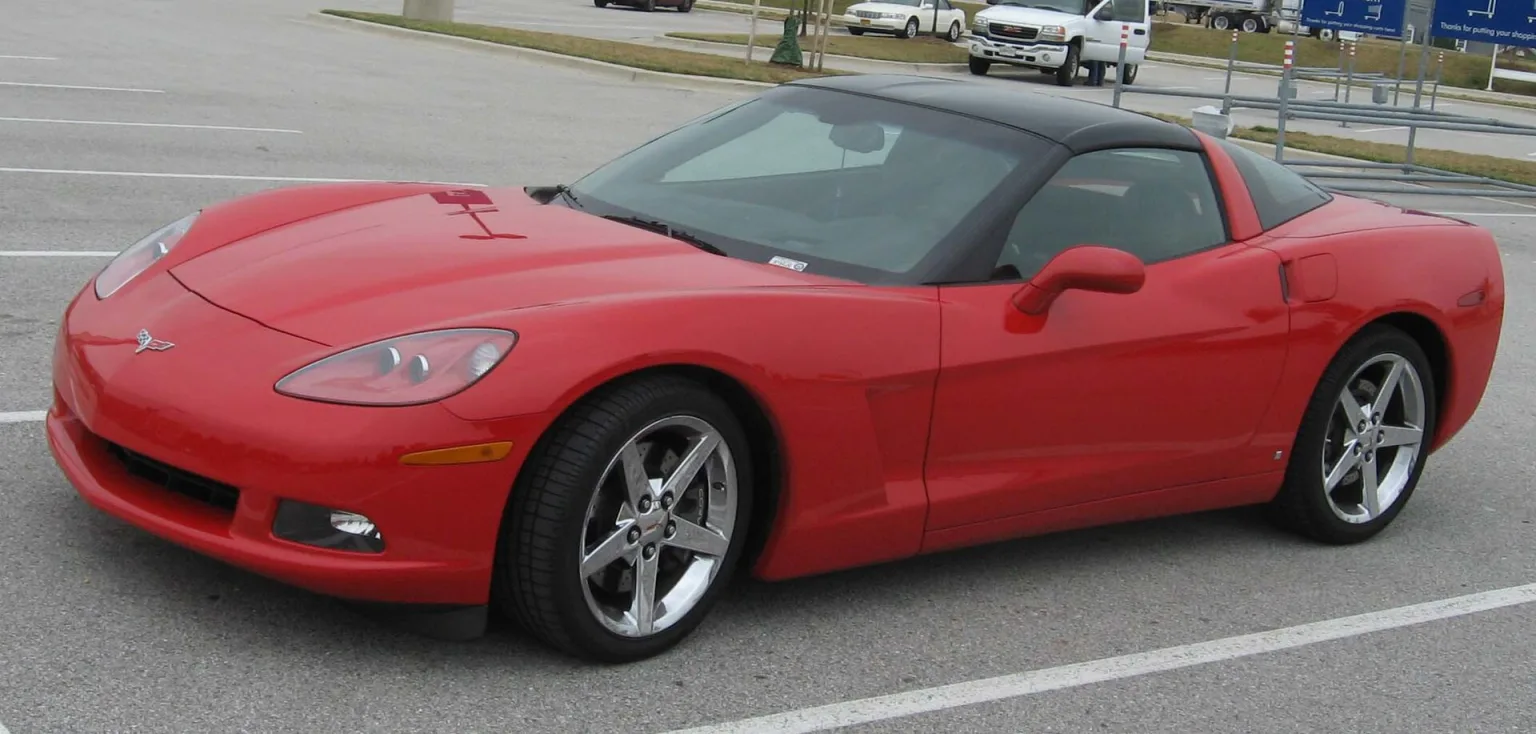
Manchester United manager Sir Alex Ferguson has barred players under the age of 23 from driving Chevrolet Corvette sports cars supplied by the club’s new sponsor, Chevrolet. The decision, made public in late August 2012, was intended to keep younger squad members focused and prevent displays of excessive wealth early in their careers.
The Chevrolet sponsorship replaced Aon as Manchester United’s principal partner ahead of the 2012–2013 season. Under the terms of the deal, Chevrolet provided a fleet of Corvettes for first-team players’ personal use. However, Ferguson intervened, instructing that only those aged 23 and over would be permitted to use the high-powered American sports cars. The move directly affected several prominent young players at the time, including Danny Welbeck (21), Phil Jones (20), Rafael (22), and Chris Smalling (22).
Chevrolet’s Sponsorship and the Corvette Offer
General Motors’ Chevrolet brand had just signed a high-profile sponsorship agreement with Manchester United, marking a major push into European football. As part of the partnership, Chevrolet offered Corvettes to the club’s players, aiming to boost the carmaker’s presence in the UK and Europe. The Corvette, a rear-wheel-drive sports car with a reputation for performance and a price tag well above most young players’ first cars, was seen by Ferguson as an unsuitable perk for those still establishing themselves in the senior squad.
Ferguson’s approach was consistent with his long-standing policy of managing young players’ exposure to wealth and fame. While Manchester United’s senior professionals could take advantage of the Chevrolet offer, the club’s manager believed that younger players should avoid the image and potential distractions of driving a 400bhp sports car. The intention was to keep them focused on football and personal development rather than material rewards.
Impact on Players and Club Image
The ban sent a clear message about discipline and priorities within the club. For Chevrolet, the move limited the visibility of its flagship sports car among some of the squad’s most marketable young stars, but the partnership still provided extensive branding opportunities through shirt sponsorship and other promotional activities. Manchester United’s decision echoed previous instances where managers have restricted young players’ access to luxury vehicles, citing concerns over maturity and public perception.
The Chevrolet-Manchester United deal was one of the most talked-about sponsorships in British football at the time, not least because of the unusual provision of high-performance cars to players. Ferguson’s intervention ensured that the arrangement would not undermine his emphasis on discipline, even as the club benefitted financially from the American carmaker’s backing.