Marussia Clears Car of Blame in Maria de Villota Testing Crash
Marussia’s internal investigation finds no technical fault with the F1 car following Maria de Villota’s serious accident at Duxford in July 2012.
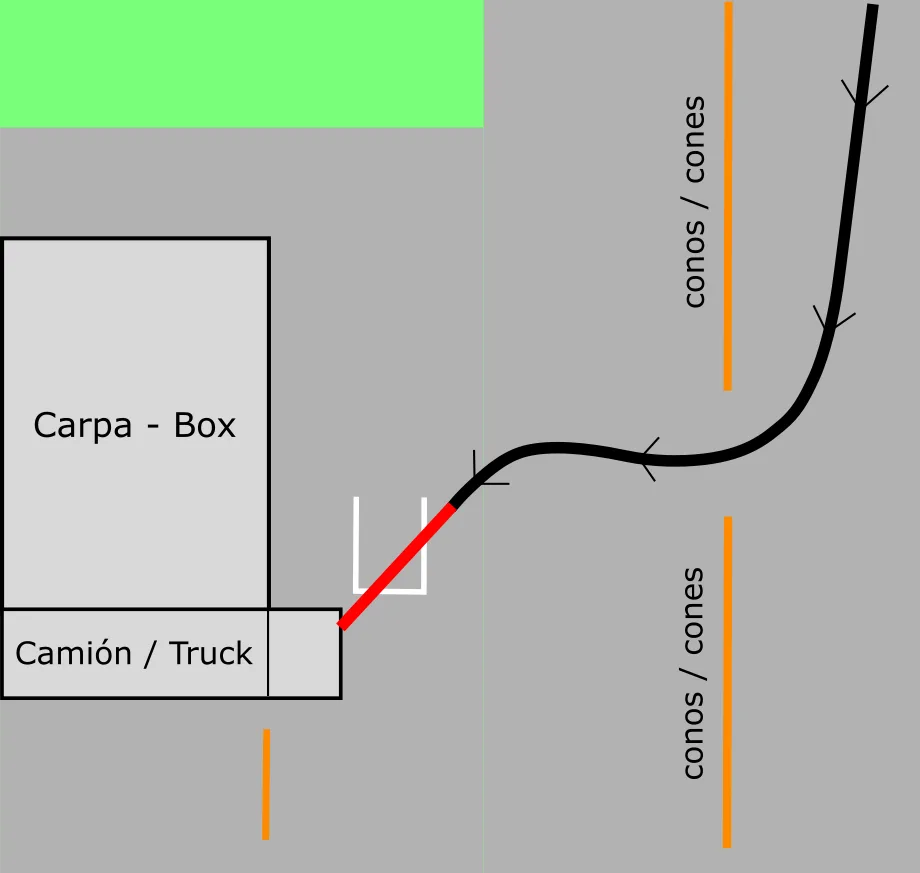
On 3 July 2012, Spanish racing driver Maria de Villota was involved in a serious accident while conducting straight-line testing for the Marussia Formula One team at Duxford airfield in Cambridgeshire. De Villota, then 32 years old, was one of the few women to have driven a modern F1 car, having previously tested a Renault R29 in 2011 at Paul Ricard circuit in France. On this occasion, she was behind the wheel of the Marussia MR-01 when the incident occurred.
Background to the Crash
During the test session, de Villota’s car struck the tailgate of a stationary team transporter. The impact resulted in severe head trauma, and she was immediately taken to Addenbrooke’s Hospital in Cambridge. Medical staff described her condition as serious but stable in the days following the crash. The injuries were life-changing, resulting in the loss of her right eye and requiring extended hospital treatment. By mid-July, she was reported to be out of sedation and able to communicate with her family as her recovery continued.
Marussia’s Investigation and Findings
Following the incident, Marussia launched an internal investigation to determine whether any technical fault with the car had contributed to the crash. The team’s technical staff conducted a thorough examination of the MR-01 chassis and its systems, including mechanical and electronic components. According to Marussia, no evidence was found of any failure or malfunction that might have caused or contributed to the accident.
The team principal, John Booth, stated that the investigation process had been necessarily detailed and rigorous. The findings were subsequently shared and discussed with the UK Health and Safety Executive (HSE), which is the national regulator for workplace health and safety in Britain. The HSE continued its own investigation into the circumstances of the crash, drawing on Marussia’s internal report as part of its review.
With the conclusion of the team’s internal review, Marussia indicated that their primary focus would now return to supporting de Villota’s recovery and well-being. The team emphasised the importance of understanding the cause of the accident, but were satisfied that the car itself was not at fault based on the available evidence.
Ongoing Health and Safety Executive (HSE) Investigation
While Marussia’s investigation was completed by mid-July 2012, the HSE continued its own independent inquiry into the circumstances surrounding the crash. The HSE’s involvement is standard practice in the UK for workplace accidents of this severity, particularly those involving high-profile sporting events or venues. Their findings would be expected to address broader safety procedures and risk management during F1 testing sessions, alongside any recommendations for future improvements.
Maria de Villota’s Recovery and Motorsport Community Response
Maria de Villota’s accident prompted widespread shock and concern throughout the motorsport community. Messages of support and gratitude were issued by her family, and updates on her condition were followed closely by fans and fellow drivers. The severity of her injuries, particularly the loss of her right eye, highlighted the risks faced by drivers even during non-competitive events such as testing. As of mid-July 2012, she was reported to be conscious and able to communicate, marking an important step in her recovery process.
De Villota’s background in motorsport is notable, as she is the daughter of Emilio de Villota, a former Formula One driver and British Grand Prix winner. Her own achievements as a test driver for both Renault and Marussia represented significant progress for women in the sport. The accident renewed discussions about safety standards and the unique challenges faced by drivers in modern F1, especially during private testing sessions.
Related Updates and Continuing Developments
In the days and weeks following the crash, official statements from Marussia and the de Villota family provided updates on her medical condition, with her status described as critical but stable. The motorsport press and various outlets reported on the ongoing investigations, as well as the support extended to de Villota by the racing community. Further details regarding the findings of the HSE investigation were anticipated at the time, with the expectation that any recommendations would be considered by teams and organisers to enhance safety during future testing events.
For more information on Maria de Villota’s condition following the incident, see related articles such as “Maria de Villota Remains Critical but Stable After Duxford F1 Testing Crash” and official medical updates released by the team and her family.