Mercedes-Benz cuts S-Class production as demand weakens
Mercedes-Benz will scale back S-Class output at Sindelfingen, moving to a single shift and reassigning workers, after European sales of the flagship saloon fell sharply in 2012.
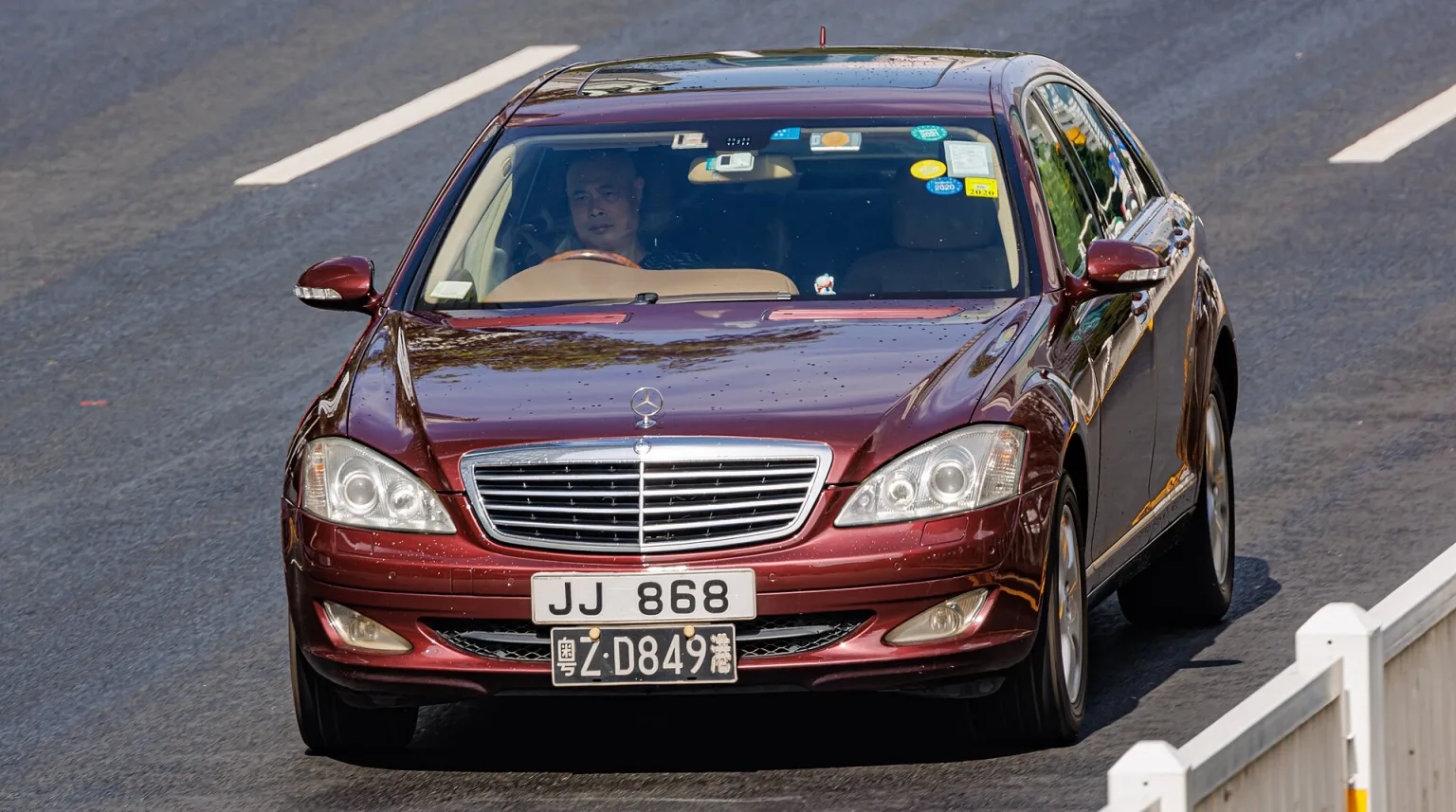
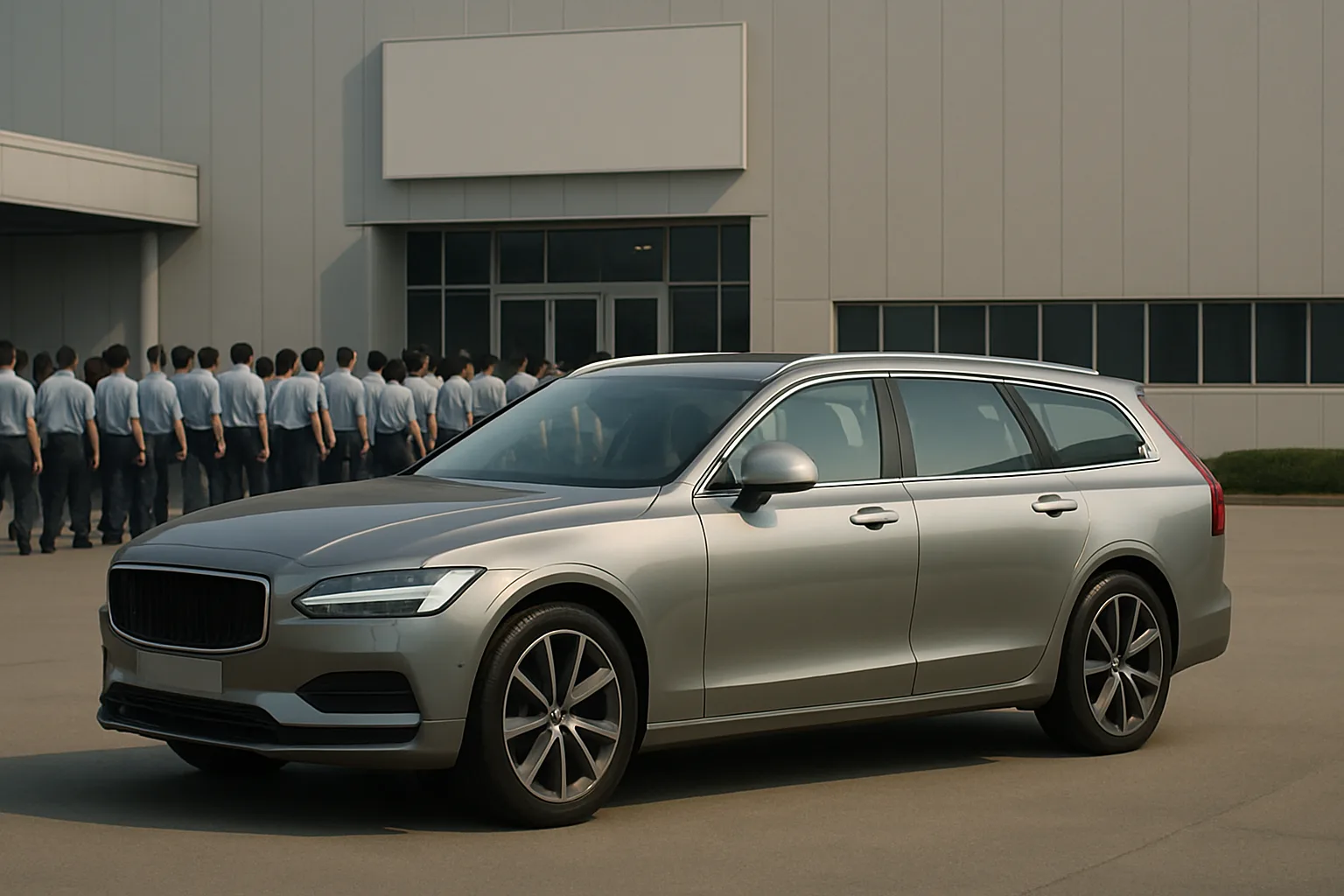
Mercedes-Benz will reduce production of its S-Class saloon at the Sindelfingen plant, following a marked drop in demand ahead of the next-generation model’s launch in 2013. The company confirmed a move to a single shift for S-Class assembly, with affected workers to be reassigned to C-Class production lines.
Mercedes-Benz Cuts S-Class Production Amid Falling Demand
Shift Changes at Sindelfingen Plant
The Sindelfingen facility, located near Stuttgart, is Mercedes-Benz’s main site for the production of luxury saloons. The adjustment to a single shift for S-Class assembly is a response to declining demand and is intended to bring output in line with current market conditions. Rather than implementing layoffs, Mercedes-Benz will transfer S-Class workers to support C-Class production, which continues to see steadier demand. This approach allows the company to retain skilled staff and maintain flexibility as market conditions evolve.
S-Class Sales Decline in Europe
Sales of the S-Class in Europe have experienced a significant drop. According to market research firm JATO Dynamics, registrations of the S-Class fell by 27% in the first eight months of 2012, with just 5,227 units sold. The S-Class is traditionally Mercedes-Benz’s most profitable model per unit, making this decline particularly notable for the manufacturer.
The reduction in S-Class production is seen as a sign that the ongoing difficulties in Europe’s car market are now affecting even premium brands. While luxury carmakers have often weathered downturns better than mass-market manufacturers, the current slump is prompting adjustments across the industry.
Challenging Global Market Conditions
Daimler AG, parent company of Mercedes-Benz, had already cautioned investors in September that the group might struggle to meet its profit targets for the year. CEO Dieter Zetsche highlighted a challenging environment in both Europe and China. While China has historically provided a buffer against weak European sales, recent figures show Mercedes-Benz’s growth there is lagging behind its main competitors.
In September, Mercedes-Benz sales in China rose by 7%, which is modest compared to BMW’s 59% and Audi’s 21% growth in the same period. This slower pace suggests that Mercedes-Benz is facing increased competition and pressure in what has been one of its most important markets.
Broader Implications for Premium Brands
The S-Class’s declining sales are part of a wider contraction in the European car market, which is experiencing its steepest downturn in years. Although premium manufacturers like Mercedes-Benz are generally less exposed than volume brands, the drop in flagship model sales indicates that no segment is entirely insulated from broader economic pressures.
Mercedes-Benz’s response, reassigning workers and adjusting production, reflects the need for flexibility in a changing market. Other luxury manufacturers are likely to watch these developments closely as they consider their own production and staffing strategies.
Cost-Cutting and Strategic Adjustments
Daimler’s cost-cutting measures extend beyond the Sindelfingen plant. The group is targeting €1 billion in annual savings as it responds to the wider market downturn. By reallocating resources to models with more stable demand, such as the C-Class, Mercedes-Benz aims to maintain operational efficiency while preparing for the next generation S-Class, due in 2013.
The temporary reduction in S-Class output is expected to last until the arrival of the new model. During this period, the Sindelfingen plant will focus on supporting production for models that continue to perform well, ensuring that the facility remains productive despite shifting demand patterns.
Looking Ahead: Next-Generation S-Class
Anticipation is building for the launch of the next-generation S-Class in 2013. Mercedes-Benz hopes that the new model will reinvigorate interest and restore higher levels of demand for its flagship saloon. Until then, the company’s strategy is to adapt production and staffing to current realities, while keeping an eye on global market trends and competitive pressures.
The experience at Sindelfingen may serve as a reference point for other premium carmakers as they navigate similar challenges. For those interested in Mercedes-Benz’s broader production strategy, recent developments such as the start of updated GL-Class SUV production in Alabama also highlight the company’s efforts to align manufacturing with shifting market needs.
Summary Table: S-Class Production Changes
| Aspect | Detail |
|---|---|
| Production shift | Move to single shift at Sindelfingen |
| Worker reassignment | S-Class workers moved to C-Class lines |
| European S-Class sales (Jan-Aug 2012) | 5,227 units (down 27%) |
| Next-generation S-Class | Expected in 2013 |
| Market challenges | Difficult conditions in Europe and China |
| Daimler cost-cutting target | €1 billion annually |