NHTSA clears Tesla Autopilot, cites 40% drop in crash rates
US safety regulators have closed their investigation into Tesla’s Autopilot, finding no defects and reporting a substantial reduction in crash rates after Autosteer was introduced.
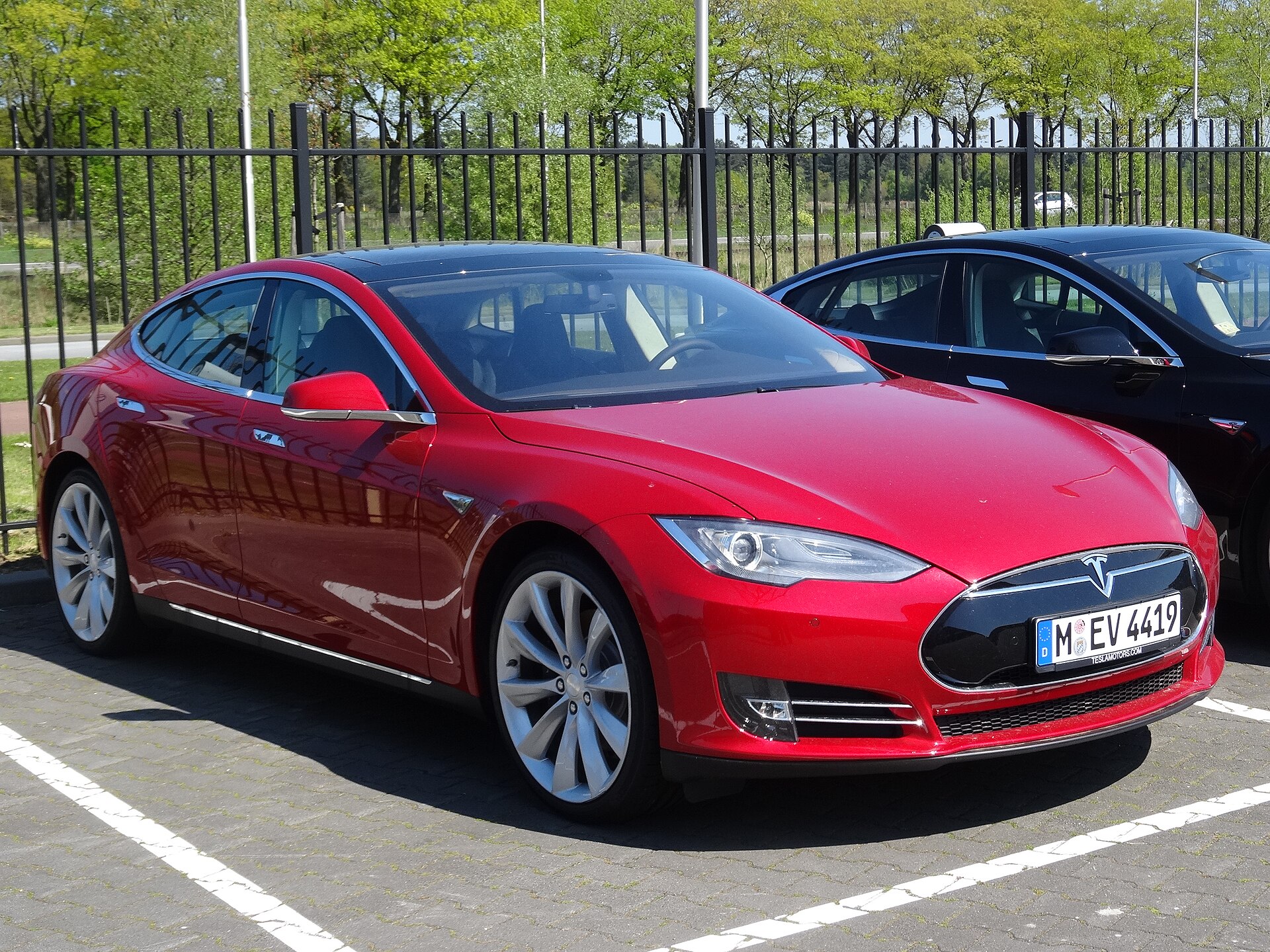
The US National Highway Traffic Safety Administration (NHTSA) has concluded its investigation into Tesla’s Autopilot system, finding no evidence of defects and reporting that the driver-assistance suite has made Tesla vehicles safer. The review, launched after a fatal crash involving a Model S in Florida in May 2016, focused on the performance of Tesla’s semi-autonomous features, including Automatic Emergency Braking (AEB) and Autosteer.
NHTSA’s Office of Defects Investigation analysed crash data from 2014 to 2016, comparing incidents before and after Autosteer was deployed. The agency’s report states that Tesla vehicles’ crash rate dropped by almost 40 percent following the introduction of Autosteer, a key element of the Autopilot suite. The investigation included extensive testing of the AEB and Autopilot systems, which were found to perform as designed, with no incidents identified where the systems failed to operate as intended.
Autopilot’s safety record under scrutiny
The NHTSA probe was triggered by the widely reported fatal collision between a Tesla Model S and a semi truck in Florida. The agency’s findings confirmed that neither design nor performance flaws in Autopilot or AEB contributed to the crash. The review also highlighted the role of Autosteer in reducing overall crash rates for Tesla vehicles.
Tesla welcomed the outcome, stating that customer safety remains its top priority. The NHTSA’s findings follow previous high-profile safety tests, including the Model S earning a five-star rating in NHTSA crash assessments. For further details on the Florida crash that prompted the review, see Tesla Autopilot Crash: Authorities Say Vehicle Was Speeding.
Implications for autonomous driving systems
NHTSA’s closure of the investigation sends a clear message to both manufacturers and regulators evaluating the safety of advanced driver-assistance systems. The agency’s analysis suggests that, at least for Tesla, the introduction of Autosteer has led to a measurable improvement in crash statistics. The outcome is likely to be cited in ongoing debates about the safety and regulation of semi-autonomous features in production vehicles.