Renault-Nissan Raises Alliance Savings Target to €4.3bn by 2016
Renault and Nissan have increased their joint savings goal to €4.3bn by 2016, aiming to deepen cooperation in development and production to improve operational performance.
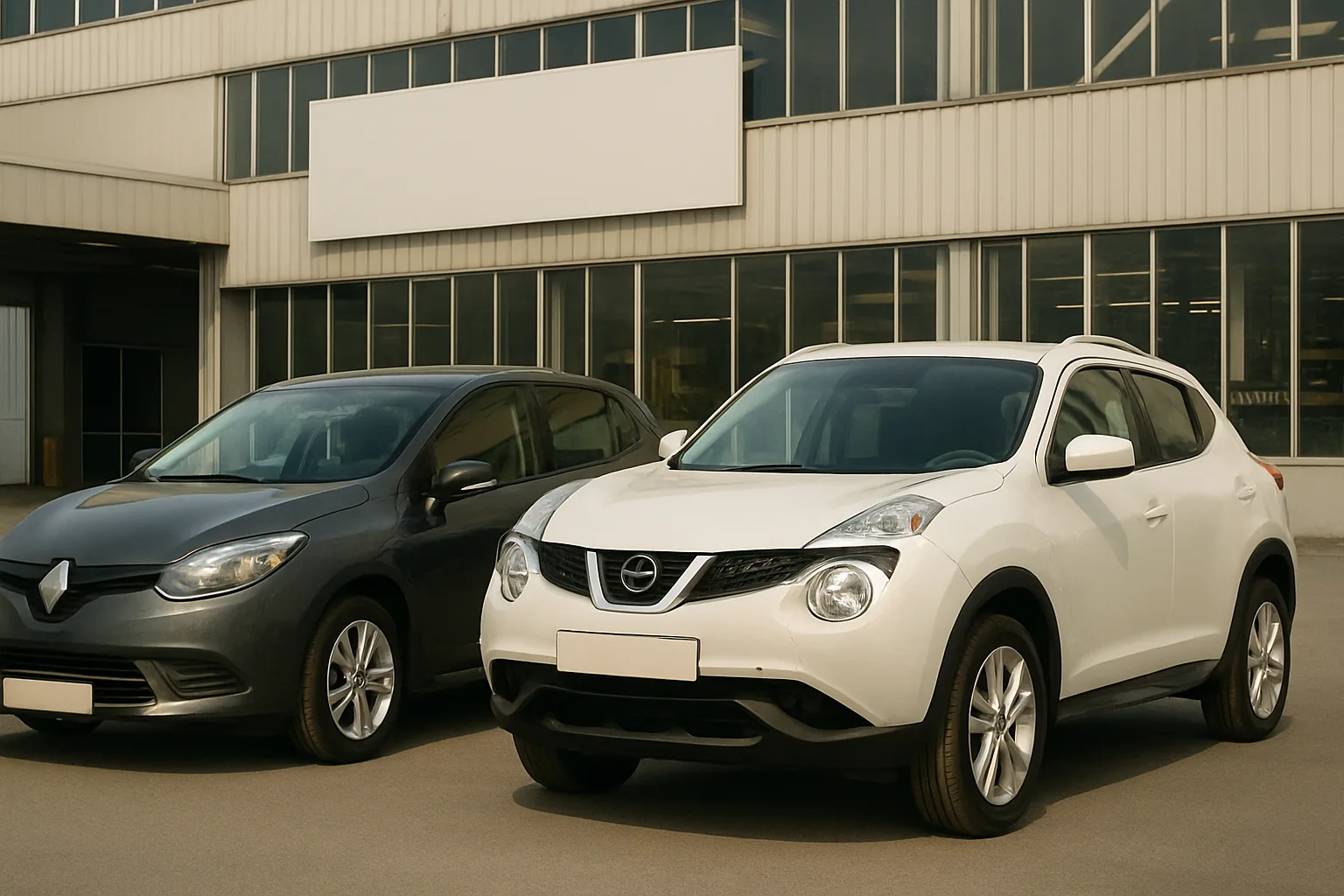
Renault and Nissan have raised their joint savings target to at least €4.3bn by 2016, as the alliance partners move to deepen integration in vehicle development and manufacturing. The new figure, up from the €4bn goal set in 2012, was announced by the companies as they seek to improve operational performance through closer cooperation.
The announcement was made during a two-day internal meeting in Amsterdam, with Renault-Nissan CEO Carlos Ghosn presenting the revised target. In 2012, the alliance achieved €2.7bn in savings, and both companies now expect further gains as joint projects increase in scale and scope.
Savings through platform sharing and joint production
A key part of the revised savings plan is the expansion of shared platforms and production facilities. The alliance began production of its first jointly developed mid-size car platform in late 2013, aiming to close the gap on rivals such as Volkswagen, Hyundai-Kia and Toyota, who already benefit from greater economies of scale through common architectures.
Renault’s Flins plant, located near Paris, will start assembling the Nissan Micra for the European market in 2016. The move will see annual Micra production at Flins rise from 82,000 units to as many as 132,000 units. This decision reflects the alliance’s strategy to optimise manufacturing capacity and reduce costs by consolidating output at key sites.
Operational focus and future prospects
Renault and Nissan said in their statement that the alliance remains focused on improving operational performance. Analysts have noted that, after more than a decade of partnership, the alliance is now entering a phase where the expected synergies are materialising in concrete cost reductions and shared product development.
The push for greater integration comes as the alliance continues to trail its largest global competitors in terms of platform scale. The companies are aiming to catch up by accelerating joint development and leveraging shared resources across engineering, purchasing and manufacturing. The increased savings target signals confidence in the alliance’s ability to deliver further efficiencies as new joint projects come online.
Implications for workers and supply chain
The decision to assemble the Nissan Micra at Renault’s Flins plant is expected to secure jobs at the French facility and strengthen its role within the alliance’s European operations. Higher production volumes may also benefit suppliers in the region, as the alliance seeks to streamline sourcing and logistics for shared platforms.
The alliance’s strategy to deepen cooperation in manufacturing and development is likely to set the tone for future joint ventures, as Renault and Nissan continue to seek competitive advantages in a global market that rewards scale and efficiency.