Scania Cuts Bus Output and Jobs at Polish Plant as Orders Drop
Slupsk facility to shed 142 jobs and lower production of Omni range buses following ongoing weak demand in core European markets.
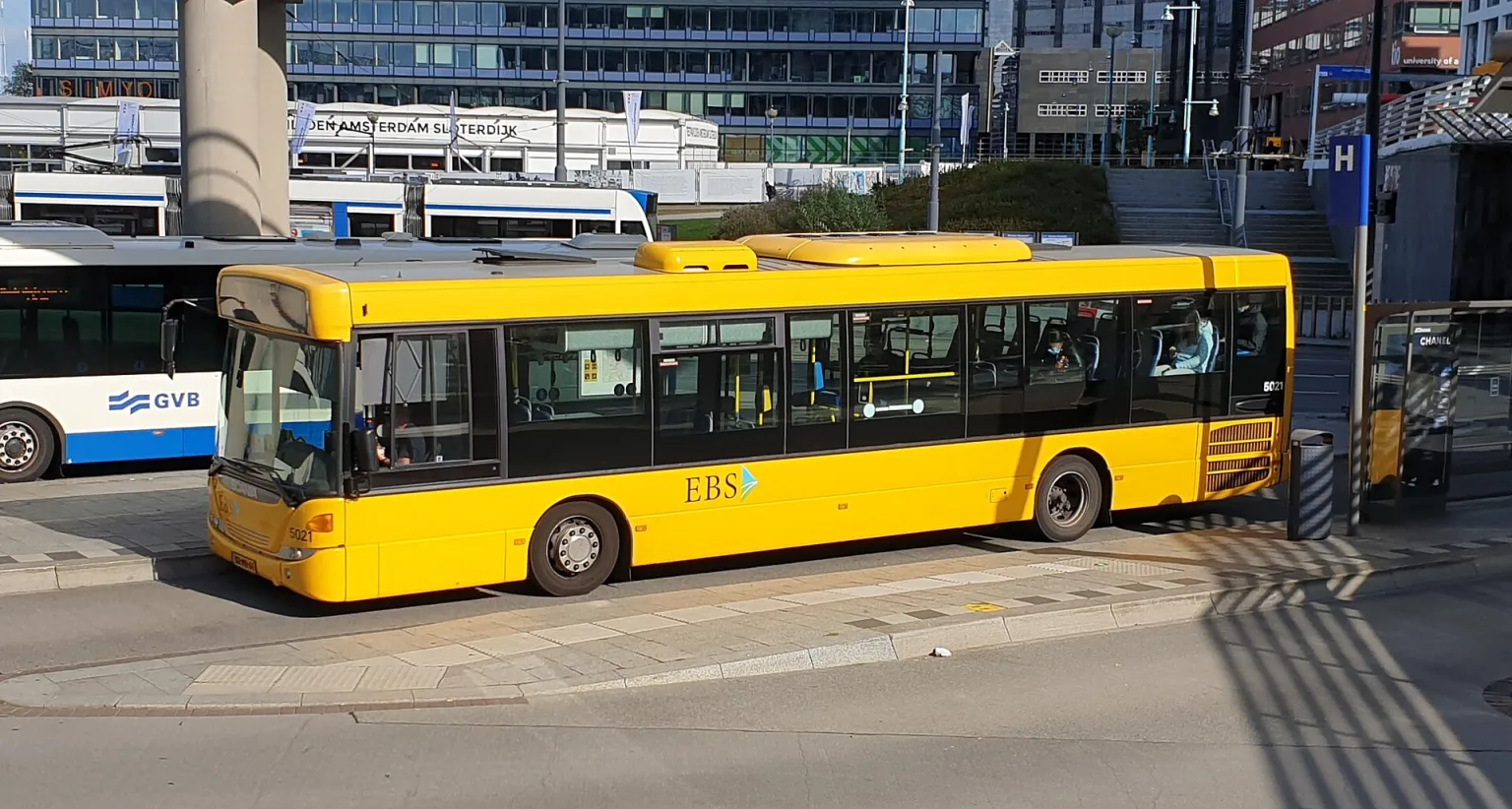
Scania, one of the world’s leading manufacturers of trucks and buses, has announced a significant reduction in bus production at its Slupsk facility in northern Poland. The move comes as demand for fully-built public transport buses continues to decline across key European markets. As a result, the company will cut 142 jobs at the plant, which previously employed around 700 people.
Scania Scales Back Bus Production in Poland Amid Low Demand
Reasons for the Production Cut
The decision to scale back production was made public in July 2012 after negotiations with trade unions. Scania cited ongoing weak demand for public transport buses, particularly in its core European markets, as the main reason for the adjustment. The company noted that economic conditions in these markets showed no sign of improvement, leading to a lack of recovery in public transport investment and a sharp decline in orders for new buses.
The affected employees have been offered the possibility of early retirement or redundancy payments, following an agreement reached with union representatives. Scania emphasised that the move was necessary to align production volumes with current market realities and to ensure the long-term sustainability of its operations.
Impact on the Slupsk Plant and Bus Models
The Slupsk plant is Scania’s main European production centre for bodied public transport buses. It builds the bodywork for the Scania OmniCity and OmniLink models and assembles the chassis for the OmniCity. These chassis are also delivered to other bus bodybuilders in Europe, Africa and Asia, making the plant a crucial part of Scania’s international supply chain.
The production cut will primarily affect the OmniCity and OmniLink models, which have experienced declining demand in recent years. The reduction in output at Slupsk mirrors similar moves by other European bus manufacturers, such as Volvo, which has also slowed production at its Ghent plant in Belgium in response to softening demand.
Broader Industry Context and Consequences
Scania’s decision reflects a broader trend in the European bus and coach sector. Economic uncertainty and constrained public budgets across Europe have led to reduced investment in fleet renewal and fewer orders for new vehicles. This environment has forced several manufacturers to adjust production and workforce levels to match lower order volumes.
The impact of the production cut at Slupsk extends beyond the 142 direct employees who are being made redundant. Local suppliers and service providers that support the plant are also likely to feel the effects of reduced output. While Scania has not announced further restructuring at other sites, the company has indicated that it will continue to monitor market conditions and make further adjustments if necessary.
Scania’s Global Operations and Future Outlook
Scania employs approximately 37,500 people in around 100 countries worldwide. The Slupsk facility is a key part of its European bus operations, and the current reduction is part of a wider effort to balance production capacity with actual demand. Similar production adjustments have been made at other Scania sites in response to fluctuating market conditions.
Looking ahead, Scania will continue to assess the economic situation in its core markets. The company has stated that it expects weak demand for public transport buses to persist into the following year, and further production adjustments could be possible if the market does not recover. The experience at Slupsk serves as an example of the challenges facing the European bus manufacturing sector during periods of economic slowdown.
Summary of Key Points
- Scania is reducing bus production at its Slupsk plant in Poland due to ongoing weak demand, particularly in Europe.
- 142 employees are being made redundant, with options for early retirement and severance packages.
- The decision follows negotiations with trade unions and is aimed at aligning production with current market conditions.
- The reduction will impact the production of OmniCity and OmniLink bus models, as well as the local supply chain.
- Scania’s move is part of a broader trend among European bus manufacturers facing similar challenges from economic uncertainty and reduced public investment.