Scania Cuts Słupsk Bus Output and Jobs as Demand Drops
Scania is reducing bus production and cutting 142 jobs at its Słupsk, Poland plant, citing weak demand for public transport vehicles across key European markets.
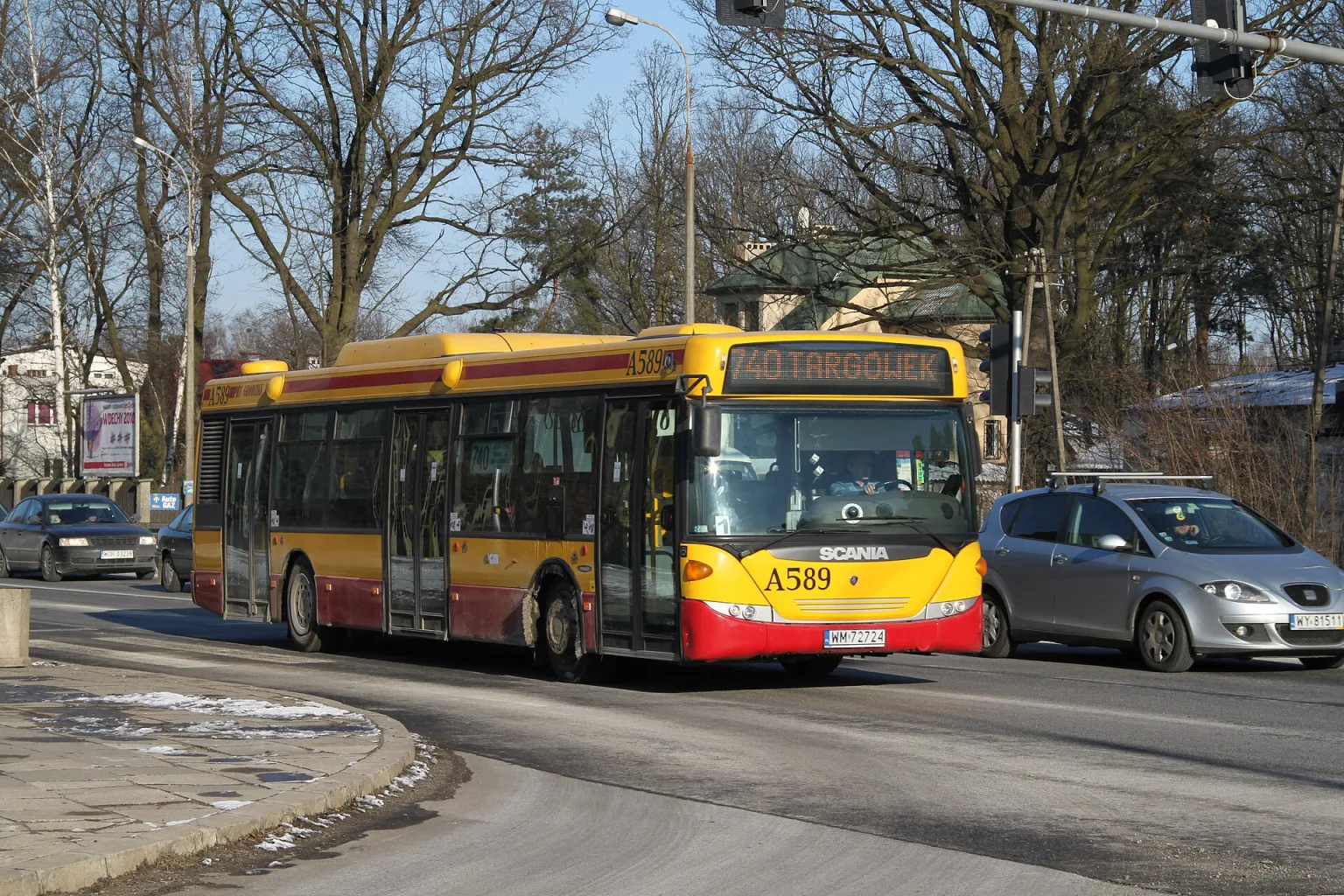
Scania is scaling back bus production at its Słupsk facility in northern Poland, issuing redundancy notices to 142 workers as orders for public transport vehicles continue to slump in Europe. The company said the decision responds to persistent weak demand for city buses and coaches in its main markets, with little sign of recovery expected in the coming year.
Scania Scales Back Bus Production in Poland
Reasons for the Production Cut
Scania’s management has attributed the cuts to the ongoing economic challenges in its core European markets. Since the global financial crisis, many cities and transport operators have reduced investment in new public transport vehicles, and demand has not yet returned to previous levels. According to Scania, the economic situation in its most important markets is showing no sign of improvement, leading to the expectation of continued weak demand for public transport buses into the next year. This environment has made a reduction in output unavoidable for the company.
About the Słupsk Facility
The Słupsk plant, which employs nearly 700 people, assembles fully built Scania OmniCity and OmniLink buses for public transport operators. It also produces chassis for use by other bus manufacturers in Asia, Africa and Europe. The 142 redundancies represent a substantial reduction in the plant’s workforce, underlining the depth of the downturn in the sector. Despite the cuts, Scania has not announced any plans to close the Słupsk plant entirely, and production of bus chassis for export will continue.
Support for Affected Workers
Scania has stated that it is working closely with trade unions to provide support for the employees affected by the redundancies. The company and the unions have developed various support programmes, including early retirement options and redundancy payments. These measures are intended to help ease the transition for workers who will be leaving the company as a result of the production cuts.
Impact on Słupsk and the Local Economy
The Słupsk facility is a key part of Scania’s European manufacturing network, supplying both complete buses and chassis to customers worldwide. The reduction in production volumes will not only affect the 142 direct employees facing redundancy, but is also likely to have knock-on effects for local suppliers and service providers in the region. Smaller businesses that depend on contracts with the Słupsk plant may experience reduced demand, potentially leading to further economic challenges in the area.
Broader Industry Context
Scania’s move is not unique within the European bus and coach manufacturing sector. Other manufacturers are also adjusting production in response to softening demand. For example, Volvo has announced plans to slow output at its Ghent plant in Belgium as orders decline. Škoda has also reduced production of its Octavia model amid weakening sales. These developments reflect broader trends in the industry, where uncertainty in public sector budgets and changing mobility patterns are affecting orders for new vehicles.
| Manufacturer | Location | Action |
|---|---|---|
| Scania | Słupsk, Poland | Reducing output, 142 redundancies |
| Volvo | Ghent, Belgium | Output to be cut in response to falling demand |
| Škoda | Czech Republic | Octavia production reduced amid softening sales |
Scania’s Global Operations
Scania is recognised as a major global producer of buses and trucks for heavy transport, as well as industrial and marine engines. The company employs around 37,500 people in 100 countries. While development activities are focused in Sweden, production is handled in Europe and South America. The Słupsk facility remains important for Scania’s international supply chain, especially for bus chassis destined for markets outside Europe.
Consequences and Outlook
The reduction in bus production at Słupsk is a clear sign of the challenges facing the public transport vehicle sector in Europe. With no immediate recovery in sight, manufacturers like Scania are forced to adapt to lower demand by adjusting their workforce and output. The effects of these changes will be felt not only by the workers directly affected, but also by the wider community and supply chain. As economic conditions evolve, further adjustments may be necessary to align capacity with market reality.