Vandoorne: Super Formula physically tougher than F1
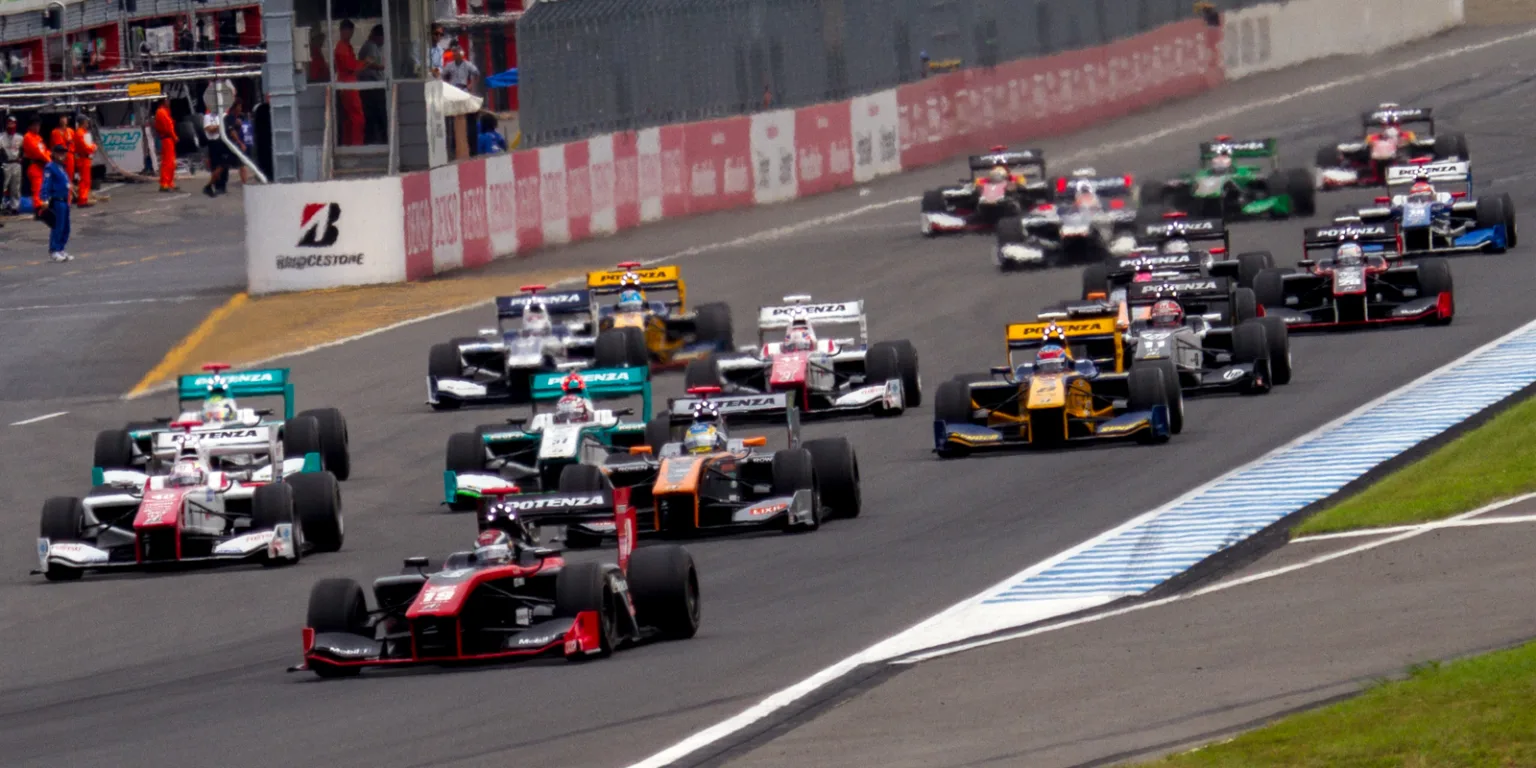
Stoffel Vandoorne, McLaren-Honda reserve, says Japan’s Super Formula demands more from drivers than Formula One, citing its high cornering speeds and punishing aerodynamics.
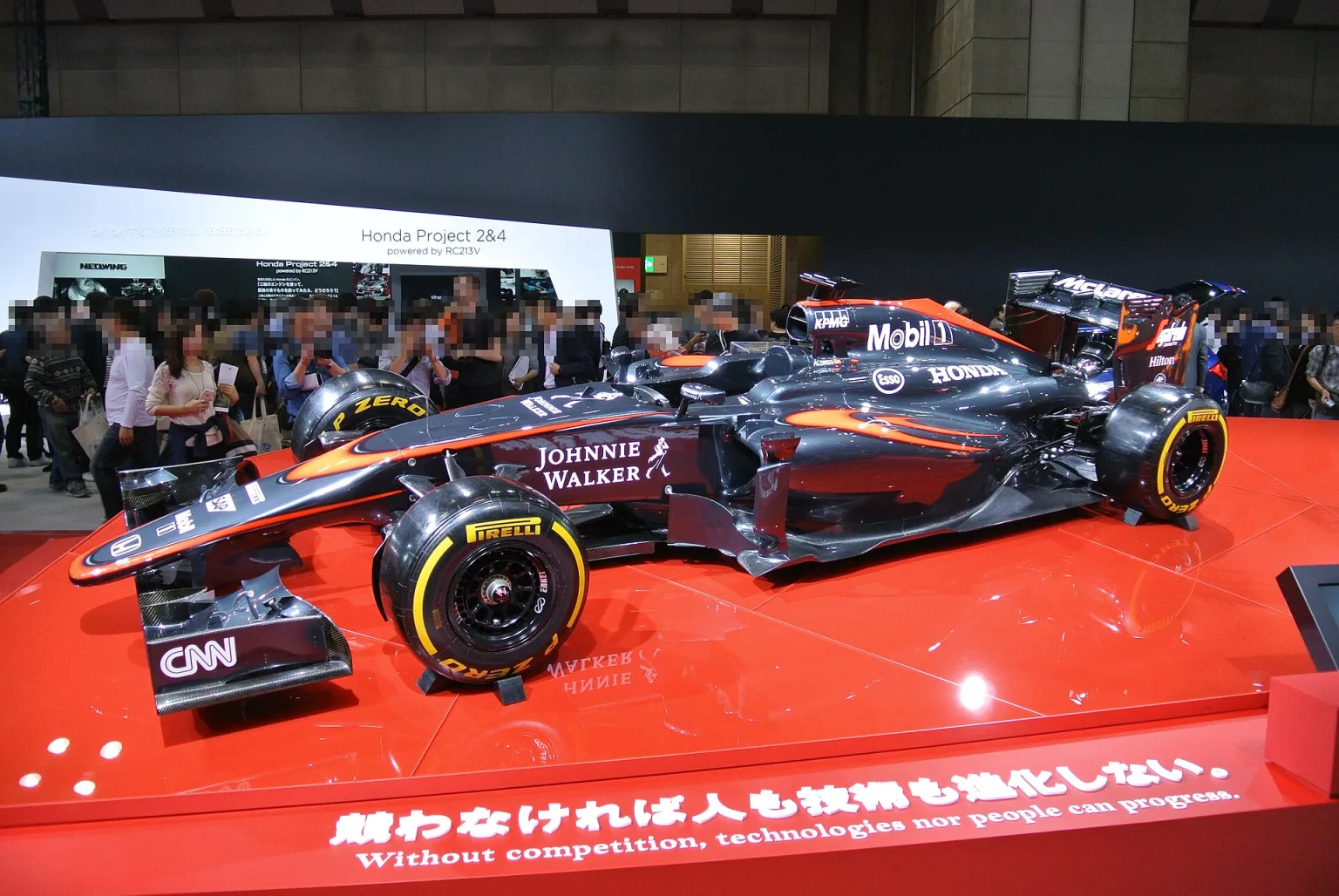
Stoffel Vandoorne, fresh from scoring McLaren-Honda’s first point of the 2016 Formula One season as a stand-in for Fernando Alonso, has described Japan’s Super Formula as more physically demanding than F1. The Belgian, 24, is contesting the series with support from McLaren and Honda, aiming to stay race-sharp ahead of a possible full-time F1 seat in 2017.
Vandoorne’s move to Japan follows a dominant GP2 title in 2015 and a strong F1 debut, but the challenge in Super Formula is, by his own account, a step up in physical intensity. Speaking ahead of the Suzuka opener, Vandoorne explained that Super Formula cars generate higher aerodynamic grip than GP2 and even F1 machinery, making them especially punishing through fast corners.
“The aerodynamics are much more efficient than a GP2 and even a F1 car,” Vandoorne told Belgian radio. “As a result, the race is physically more demanding.” He added that the championship’s high level means small errors can have big consequences, and that adapting to the car’s characteristics is still a work in progress.
Why Super Formula is so demanding
Super Formula, Japan’s premier single-seater series, uses Dallara SF14 chassis with advanced aerodynamics and turbocharged 2.0-litre engines. While peak power is lower than modern F1, the combination of low weight and high downforce produces cornering speeds and G-forces that test even drivers with top-level experience. Races are shorter than F1 Grands Prix but require relentless concentration and physical stamina, especially at circuits like Suzuka.
Vandoorne’s presence in Super Formula has drawn attention from Japanese fans and media, eager to see how a driver tipped for a future McLaren seat fares against the local specialists. With Honda’s backing, his campaign is also part of the manufacturer’s wider effort to keep promising drivers active and visible while F1 opportunities are limited. For Vandoorne, the challenge is less about results and more about extracting the maximum from himself in a new environment.
Implications for Vandoorne’s F1 prospects
McLaren’s decision to place Vandoorne in Super Formula underlines the value top teams see in the Japanese series as a proving ground. Its technical demands and strong field offer a genuine test for drivers aiming for or returning to F1. Vandoorne has said he does not have a specific results target for the season, but strong performances in Japan would keep him firmly in contention for a future McLaren seat, especially given the uncertainty around the team’s driver line-up beyond 2016.
For more on Vandoorne’s McLaren prospects, seeVandoorne Says He Is Ready for Alonso Challenge at McLaren