Tesla accelerates target to 500,000 cars by 2018
Tesla has advanced its production goal by two years, now aiming to build 500,000 vehicles in 2018, driven by strong demand for the Model 3.
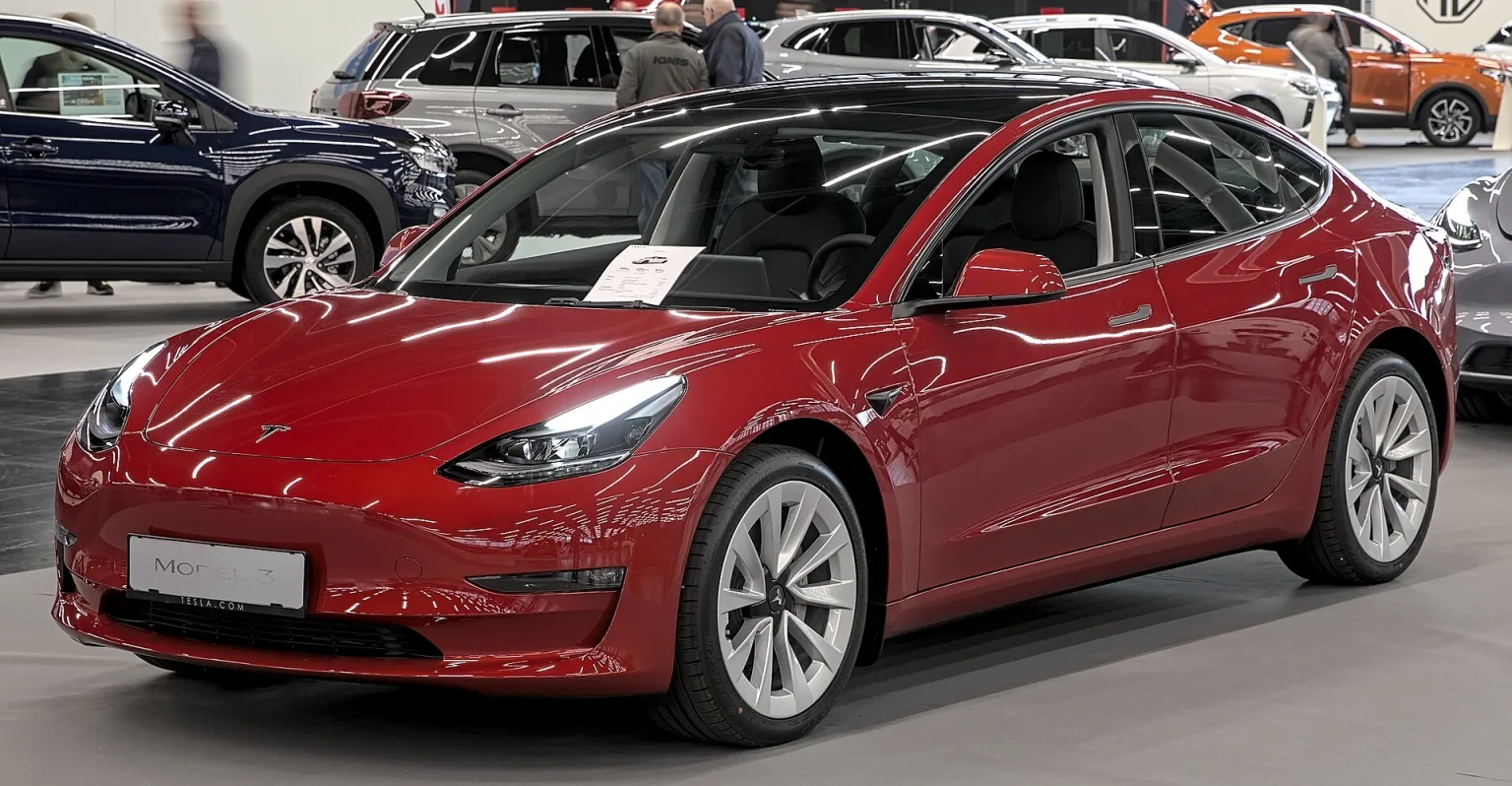
Tesla has brought forward its target to build 500,000 vehicles annually, announcing it now aims to reach that figure in 2018 rather than 2020. The move comes as the company reported a surge in reservations for the Model 3, its most affordable car to date.
The announcement was made alongside Tesla’s first-quarter 2016 results. Chief executive Elon Musk confirmed the company would accelerate its original schedule by two years, citing the unprecedented response to the Model 3. Over 325,000 reservations were placed in the first week after the car’s unveiling, representing potential future sales of around $14bn if all orders are converted.
Financial strain and production challenge
Tesla’s rapid ramp-up comes with a financial cost. The company said capital expenditure for 2016 is now expected to reach $2.25bn, about 50% higher than previously forecast. Despite the optimism around demand, Tesla posted a net loss of $282.3m for the first quarter, up from $154.2m a year earlier. The company did not provide updated profit targets in its latest statement.
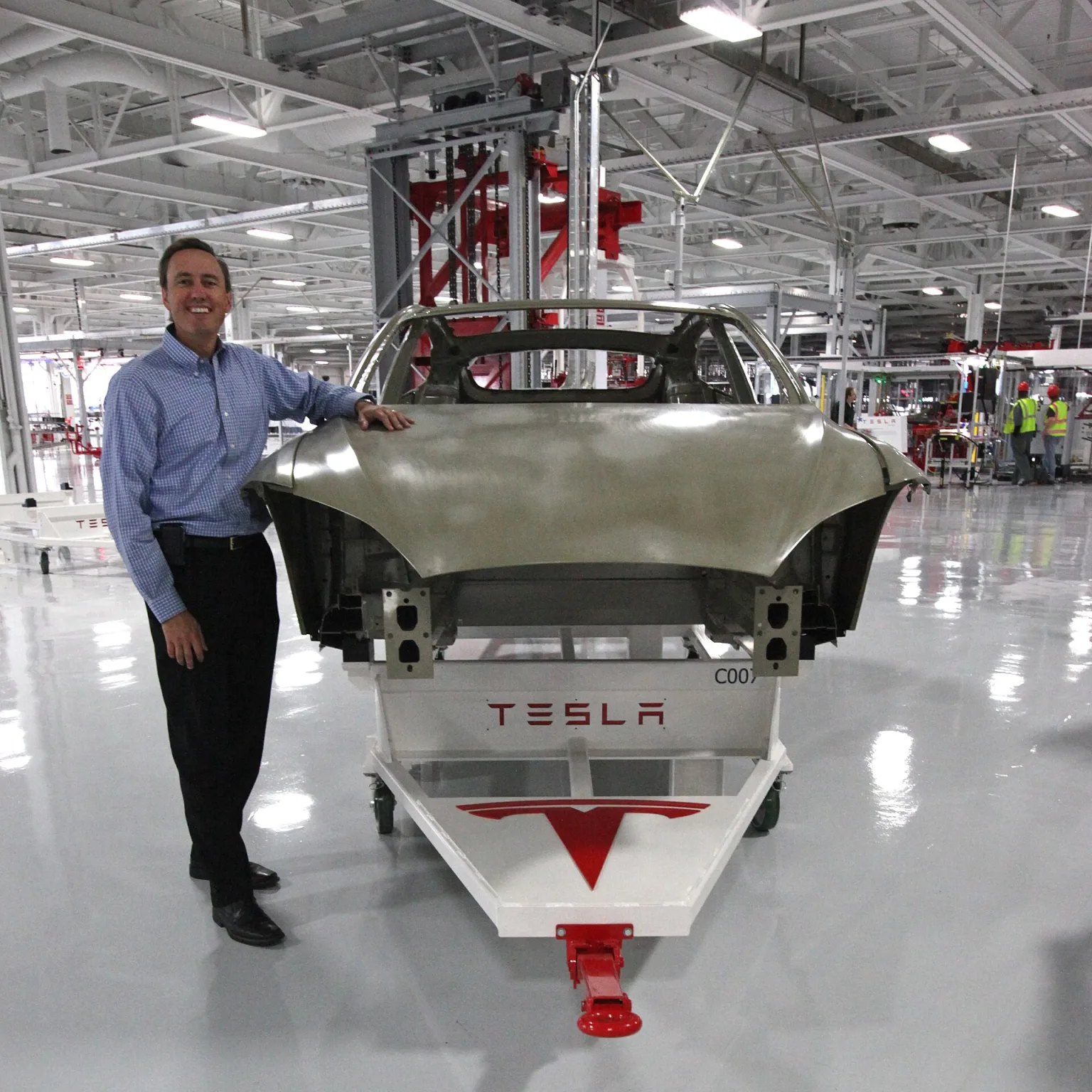
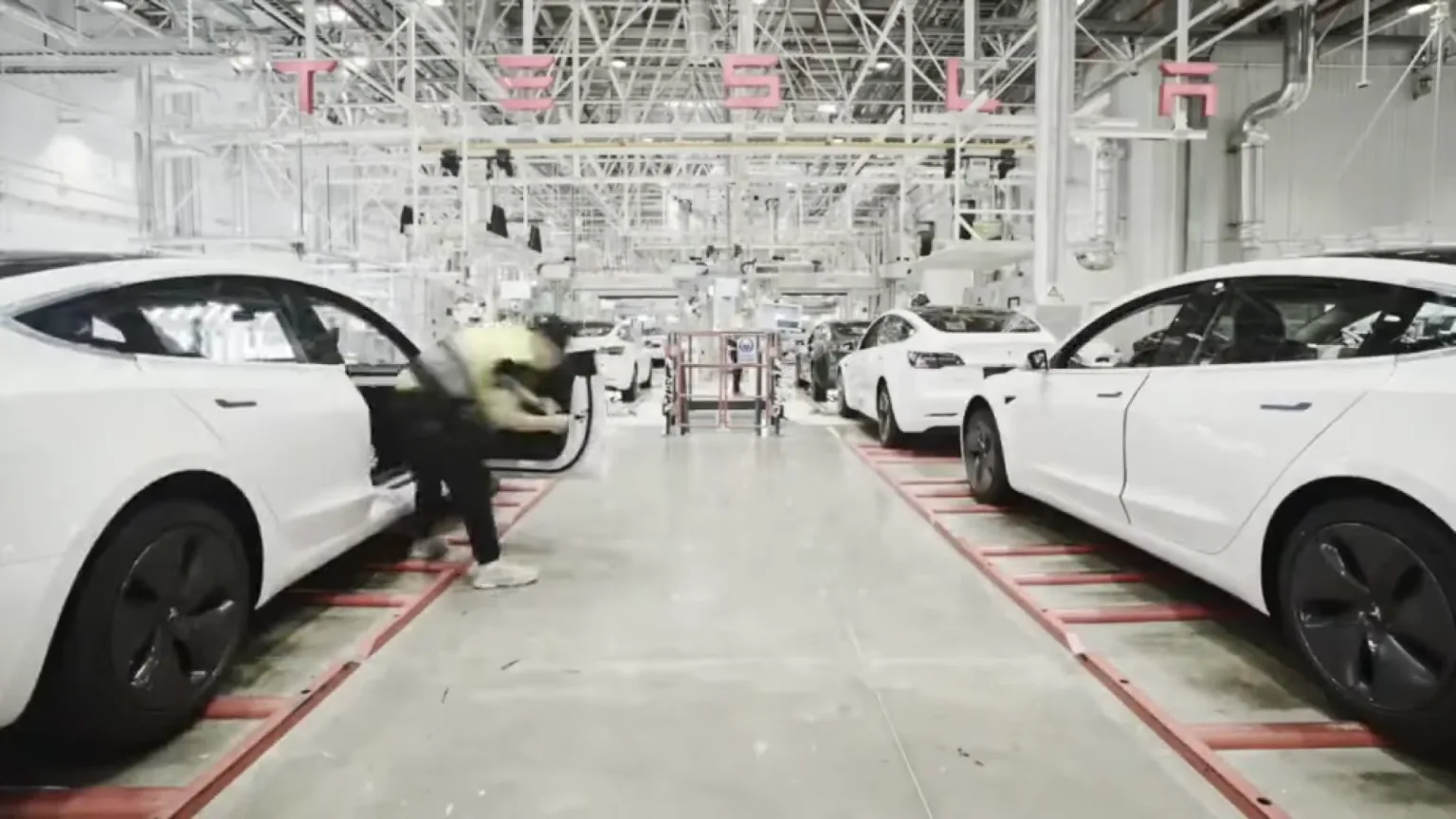
Musk said Tesla remains on track to deliver between 80,000 and 90,000 vehicles in 2016. That is still a fraction of the new target, underlining the scale of the challenge. The company produced about 50,000 cars in 2015. Analysts have expressed scepticism about the feasibility of reaching 500,000 units within two years, given Tesla’s history of production delays and the complexities of scaling manufacturing at this pace.
Model 3 demand drives expansion
The Model 3 has triggered the most substantial interest Tesla has seen, with reservations far exceeding those for the Model S or Model X. The $35,000 starting price and promised range of over 200 miles have positioned it as a mass-market contender. Delivering on the new production goal will require significant expansion of Tesla’s manufacturing capacity and supply chain, with investment focused on the Fremont factory and the Nevada Gigafactory.
If Tesla achieves the 2018 target, it would become a major player in global car manufacturing volumes, but the risks and execution hurdles remain considerable. The company’s long-term ambition is now to reach one million vehicles per year by 2020, according to Musk.