Bob King's UAW Presidency Hinges on Southern Organising Drive
With retirement set for June 2014, Bob King’s efforts to unionise foreign-owned Southern US auto plants will define his leadership of the UAW.
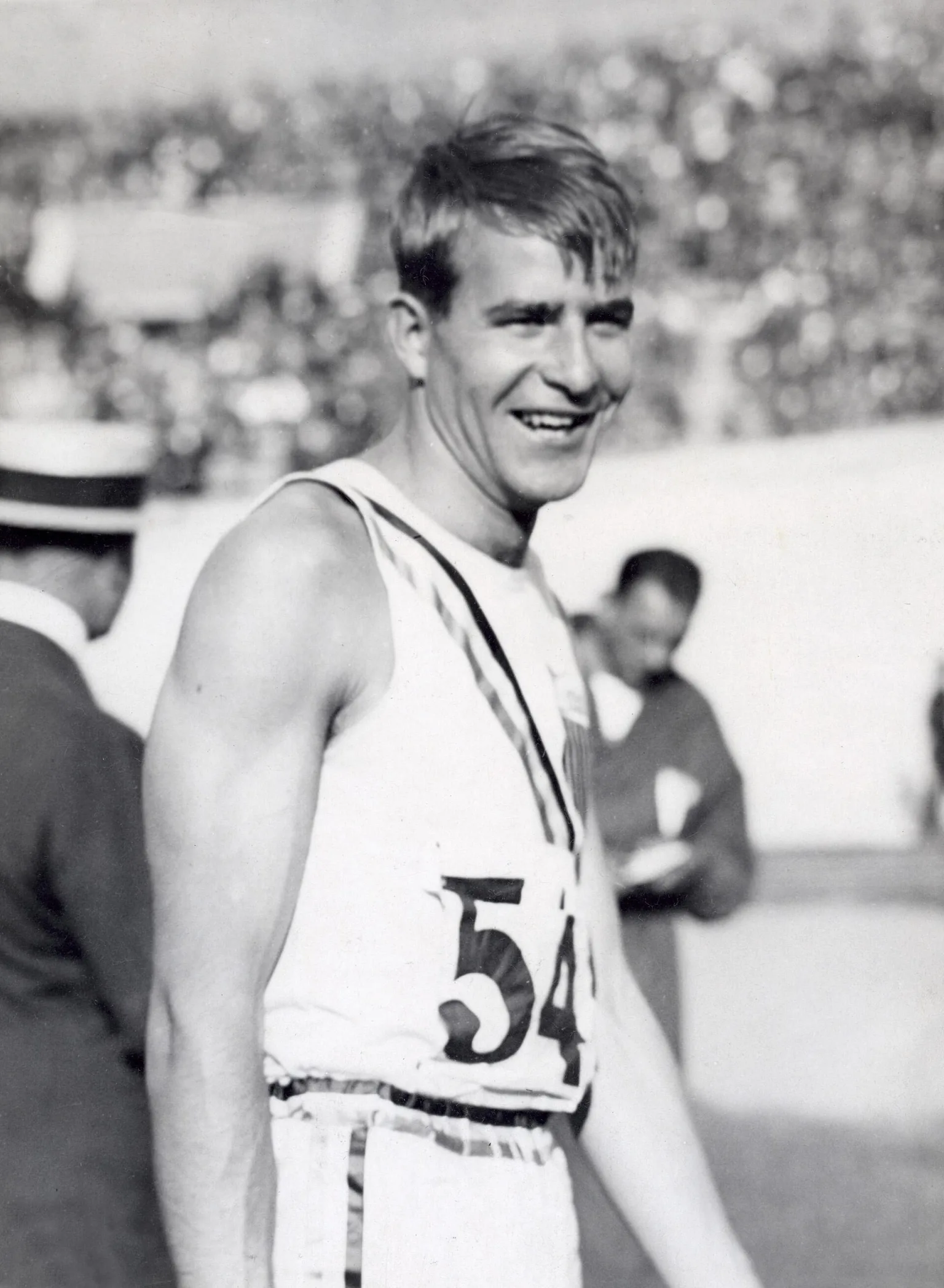
Bob King’s presidency of the United Auto Workers enters its final months with his most ambitious goal still unresolved: organising a major foreign-owned car plant in the southern United States. King, who must retire in June 2014 under union rules, has made clear that success in the South will determine how his tenure is judged.
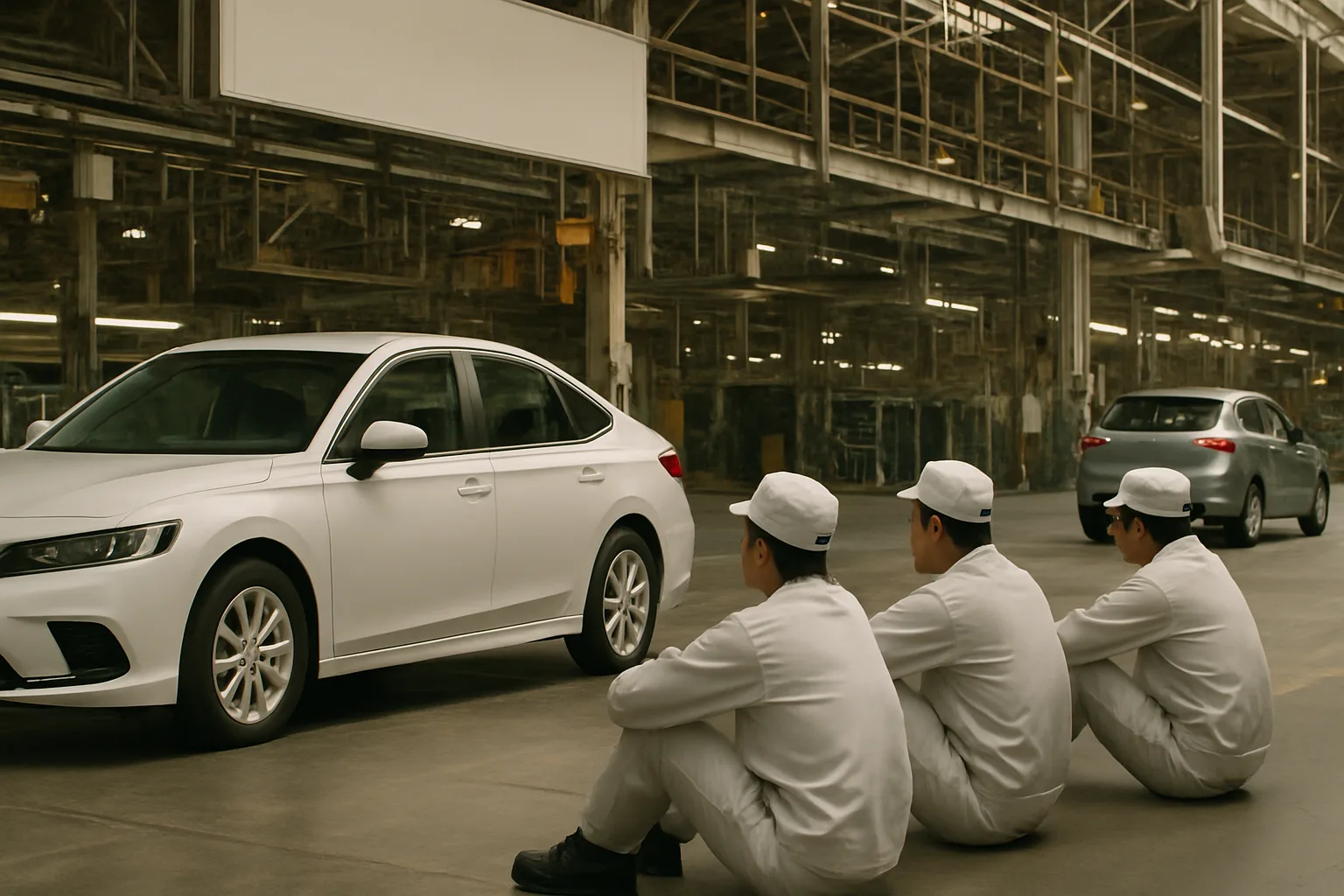
King’s strategy has focused on building alliances with international unions and trying to win support among workers at Volkswagen, Nissan and Mercedes-Benz plants in Tennessee and Alabama. The UAW’s best prospects are at Volkswagen’s Chattanooga factory, where talks with the company and Germany’s IG Metall union have centred on creating a works council, a structure common in Germany but rare in the US. Such a council could open the door to formal UAW representation for over 2,000 workers.
Volkswagen Chattanooga: the union’s best hope
The Volkswagen plant in Chattanooga has become the focal point of King’s southern organising campaign. The company’s German management and IG Metall have shown openness to a works council, which would require some form of union involvement under US law. While discussions have advanced, no formal agreement or worker vote has yet been scheduled. The outcome at Chattanooga is seen as a critical test for the UAW’s wider ambitions in the region. For further context on Volkswagen’s position, seeVolkswagen Supports Union Vote at Chattanooga Plant.
Efforts at Nissan’s plants in Tennessee and Mississippi, and Mercedes-Benz’s Alabama facility, have so far made little headway. UAW organisers have worked with local civic groups to argue that unionisation would improve pay and safety, but no votes have been scheduled at these sites. The lack of progress underlines the challenges the UAW faces in the South, where anti-union sentiment is strong and employers often resist organising drives.
Supplier wins and international links
While King’s headline goal remains elusive, the union has made some progress with US-based suppliers. In October 2013, workers at Faurecia Interior Systems in Louisville, Kentucky, voted to join the UAW. King has also forged closer ties with international unions, particularly in Germany, as part of a broader strategy to adapt to a globalised auto industry.
What’s at stake for the UAW
The stakes are high for King and the union. Without a breakthrough in the South, the UAW risks losing influence over industry wages and conditions as more manufacturing shifts to non-union plants. King’s legacy will depend on whether he can secure a foothold at a major foreign automaker before his retirement. If the Chattanooga effort succeeds, it could reshape the union’s prospects for years to come. If not, the UAW faces a continued struggle to remain relevant in a changing industry.