US Automakers and Dealers Face Off Over Right of First Refusal
Major US automakers are increasingly exercising their right of first refusal in dealership buy-sell deals, frustrating some dealers and raising concerns about competition and franchise values.
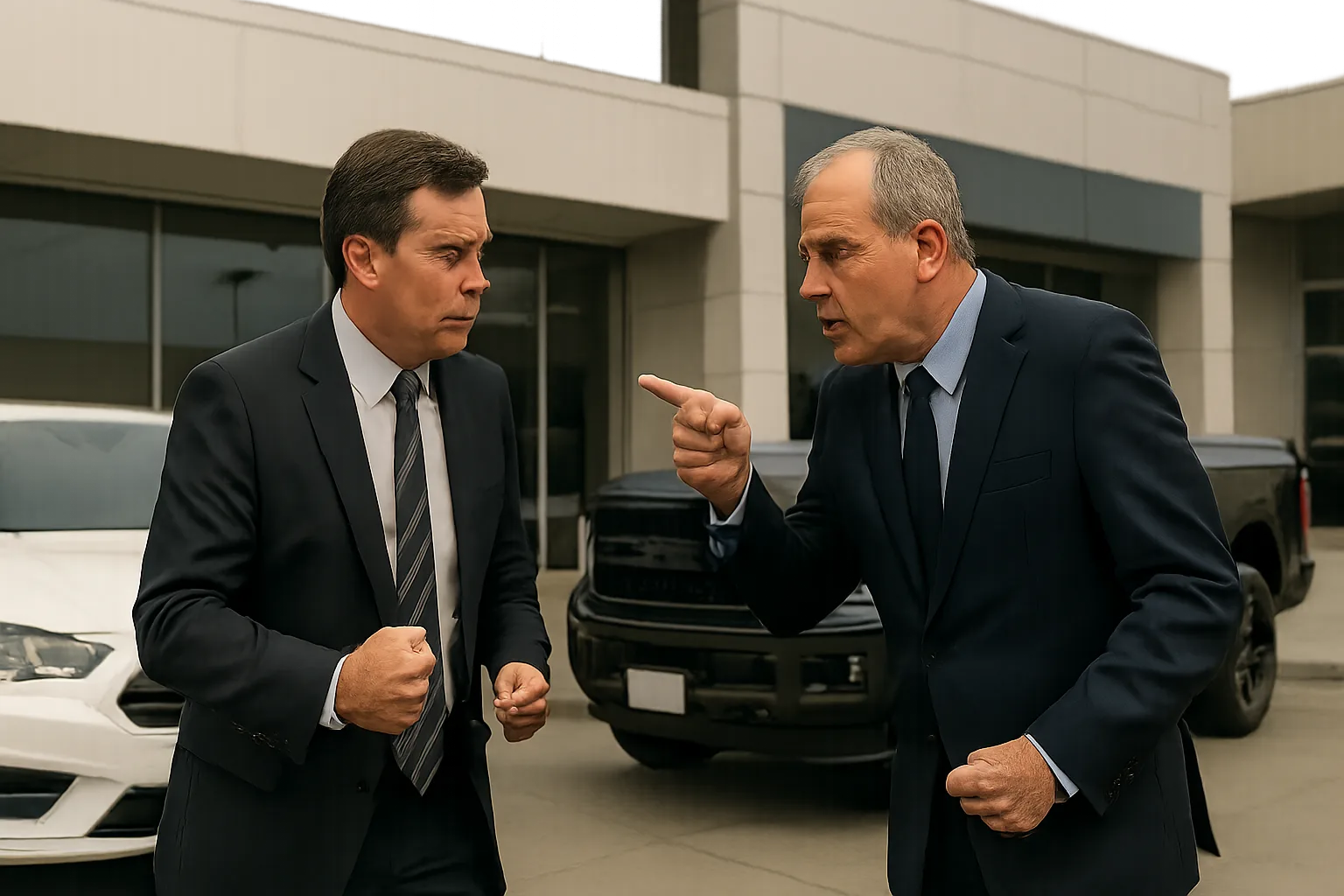
US car manufacturers and franchise dealers are increasingly at odds over the right of first refusal, a clause that lets automakers step in during dealership buy-sell transactions and assign the sale to a preferred buyer. Over the last several years, brands including Audi, Mercedes, General Motors, Nissan and Jaguar Land Rover have used this right in high-profile deals, sometimes blocking established dealer groups from expanding.
How the right of first refusal works
The right of first refusal is built into many US franchise agreements. When a dealer wishes to sell, the automaker can veto the original buyer and instead direct the sale to another party, usually on the same terms. Manufacturers argue this allows them to maintain a stable and diverse dealer network, often citing minority dealer development as a key reason for exercising the right.
For automakers, the clause is a tool to prevent consolidation among large dealer groups and to ensure that franchises remain in the hands of operators who meet the company’s standards. It also lets them promote diversity by awarding franchises to minority-owned businesses. In some cases, manufacturers say the right protects the long-term health of the brand’s retail network.
Dealers push back on increased use
Dealers and their advisers argue the practice can disrupt or even derail complex and expensive transactions. They say invoking the right of first refusal can lead to lengthy delays, increased costs and uncertainty for both buyers and sellers. There are also concerns that widespread use of the clause could depress dealership values and reduce competition among franchisees.
Buy-sell advisers and legal experts say the increased use of the right of first refusal is a recent trend, with several manufacturers intervening in deals that would have seen large dealer groups expand their footprint. The delays and uncertainty caused by these interventions can make it harder for dealers to plan for the future or to realise the full value of their business when selling.
Manufacturers defend the policy
Automakers maintain that the right is necessary to protect their interests and those of their broader dealer network. By exercising it, they can ensure that franchises go to operators who align with their performance standards or strategic goals, including diversity initiatives. This, they argue, benefits customers and the brand in the long term.
The debate highlights the tension between manufacturers’ desire for control and dealers’ need for certainty and fair value in buy-sell transactions. As automakers continue to use the right of first refusal, both sides are watching closely to see how it will affect the structure of the US dealership network and the value of franchise businesses.
- Audi, Mercedes, GM, Nissan and Jaguar Land Rover have all exercised the right in recent years.
- Dealers and advisers say the trend has accelerated since 2012.