US to Issue Federal Guidelines for Driverless Cars in July
NHTSA will release national guidance for autonomous vehicles next month, aiming to clarify deployment, exemptions and state-level inconsistencies for manufacturers and developers.
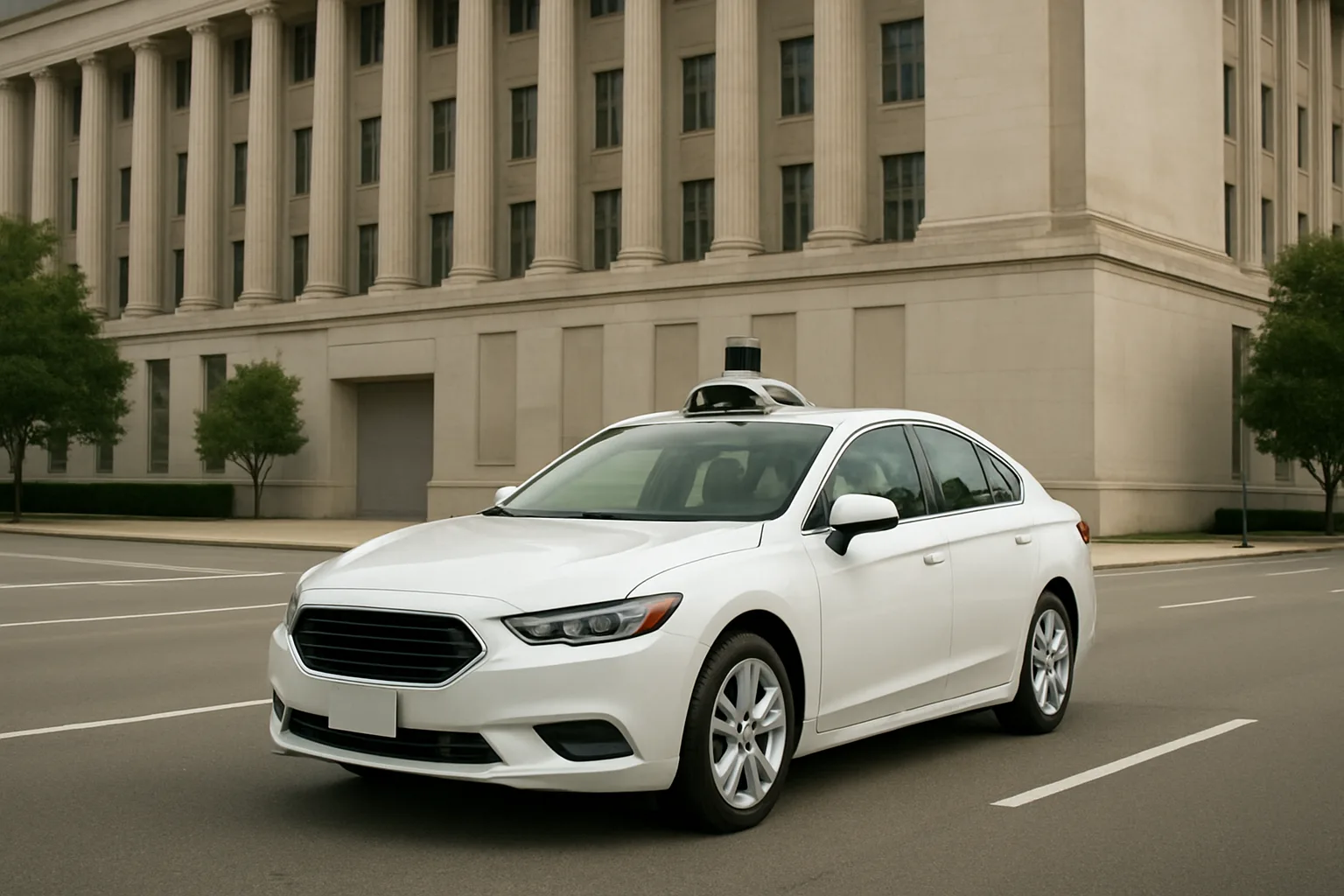
The US National Highway Traffic Safety Administration (NHTSA) will publish new federal guidelines for autonomous vehicles in July, following calls from automakers and technology firms for clearer regulation. The announcement, made by NHTSA chief Mark Rosekind, signals a shift towards more flexible national oversight as the pace of driverless vehicle development accelerates.
The new guidelines will address three main areas: deployment and use of autonomous vehicles, harmonisation of rules across states, and clearer exemption procedures for manufacturers. Rosekind has also indicated that NHTSA may establish a dedicated division to oversee self-driving technology, reflecting the growing regulatory workload as more companies pursue advanced automation.
State-by-state differences create uncertainty
Currently, the absence of federal standards has led to a patchwork of state-level rules. California, for example, prohibits testing of vehicles without a licensed driver and traditional controls. In contrast, Michigan is considering legislation to allow manufacturers to test, build and sell fully autonomous vehicles, aiming to position itself as a leader in the sector. These differences have complicated planning for manufacturers and technology firms, who must adapt to varying requirements depending on the state.
Automakers have urged the federal government to intervene, warning that inconsistent regulations could slow innovation and delay commercial deployment. The forthcoming guidelines are expected to clarify how exemptions from existing vehicle safety standards can be granted for autonomous prototypes, and to encourage a more uniform approach across the country.
Industry response and next steps
Some manufacturers remain cautious. General Motors CEO Mary Barra has said she supports retaining steering wheels and pedals in early autonomous vehicles, citing safety and public trust as priorities. Others, including technology firms, are pushing for permission to test vehicles without human controls or drivers.
- NHTSA guidelines expected to clarify deployment rules for self-driving vehicles
- Manufacturers will learn how to apply for exemptions from current safety standards
- States may be encouraged to align local laws with new federal guidance
The July guidance will not itself be binding law, but it will set expectations for both manufacturers and state regulators. The move is widely seen as a step towards a national framework, as the US government seeks to balance innovation with safety oversight in the fast-moving field of autonomous driving.