Detroit Three Gain Ground with Young US Buyers as Japanese Share Falls
US car buyers aged 25 to 34 shifted towards Ford, GM and Chrysler in 2012, with Japanese brands losing ground and Korean marques making gains.

American buyers in their late twenties and early thirties bought more vehicles from Ford, General Motors and Chrysler in 2012 than in previous years, according to a study by R.L. Polk and Edmunds.com. The Detroit Three captured 36.8% of new vehicle sales to the 25–34 age group, up from 35.4% in 2008. Japanese brands, including Toyota, Honda and Nissan, saw their share among these younger buyers drop from 50.6% to 42.9% over the same period.
The shift comes after years of dominance by Japanese manufacturers in this segment. The study credits the Detroit Three's renewed focus on small, affordable and fuel-efficient cars for the change. Ford, GM and Chrysler all launched new models aimed at younger buyers, a group that had previously favoured Japanese imports for their perceived reliability and value.
Small Cars Drive Detroit's Appeal
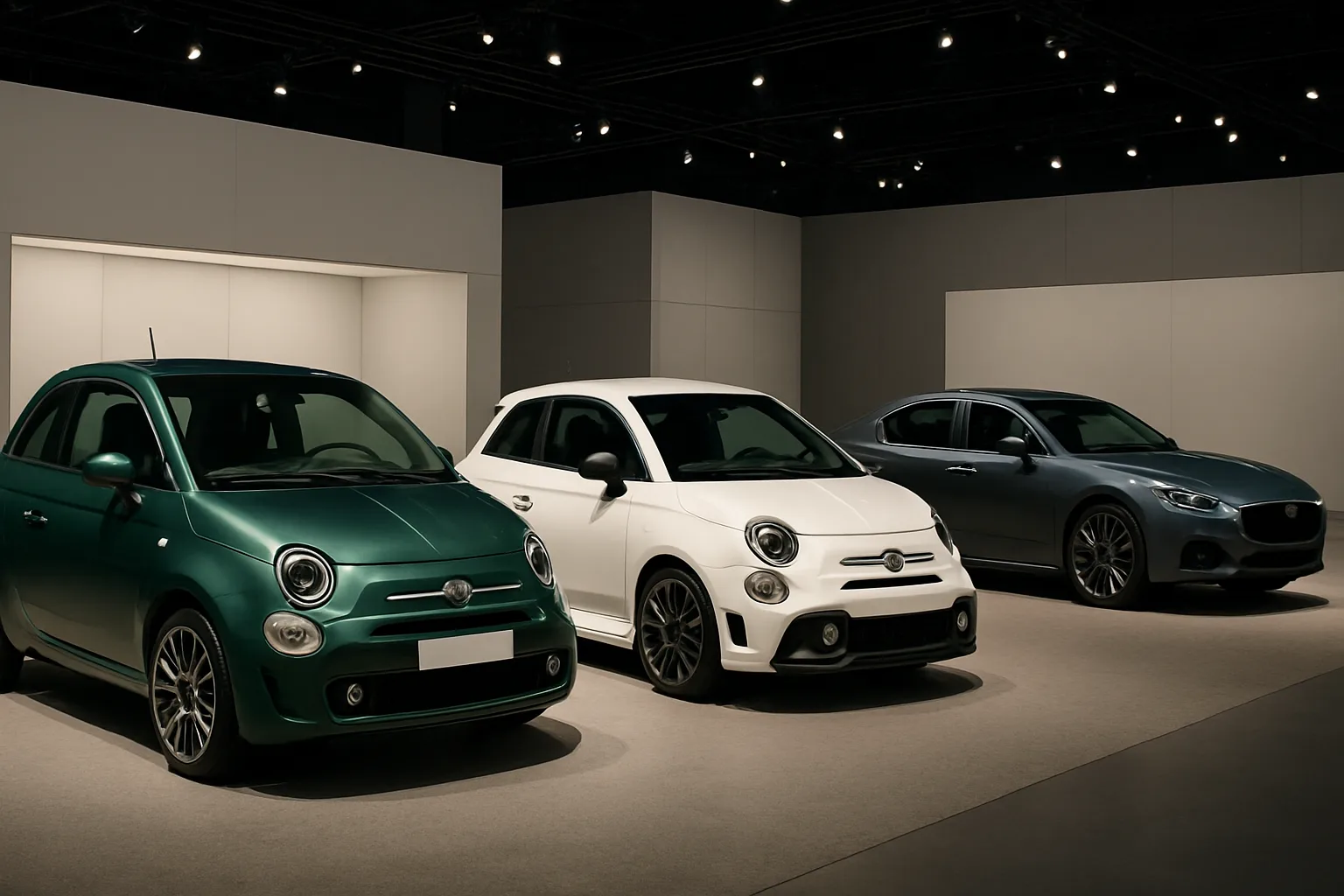
Ford's Fiesta and Focus, Chevrolet's Spark and Sonic, and Chrysler's Fiat 500 all played a role in attracting younger customers. These models offered the kind of low running costs and contemporary styling that had long been associated with Japanese brands. Ford also invested in high-profile marketing, including sponsorship of television programmes with strong appeal to younger demographics.
This push into the small car segment marked a change in strategy for the Detroit Three. For years, US manufacturers had focused on larger vehicles, leaving the compact market to overseas rivals. The new approach appears to have paid off, at least in the short term, with more young Americans considering domestic brands when buying their first or second car.
Korean Brands Gain Share Among Young Buyers
The same study found that South Korean brands Hyundai and Kia accounted for roughly 10% of new vehicle purchases by Americans aged 25–34 in 2012. Their rise came as Japanese brands lost ground, suggesting that younger buyers are open to alternatives beyond the traditional US-versus-Japan rivalry.
- Ford Fiesta and Focus: affordable, efficient small cars
- Chevrolet Spark and Sonic: GM's entry-level models for young buyers
- Chrysler Fiat 500: compact city car with youthful styling
- Hyundai and Kia: increasing their share with value-focused models
What Changed for Japanese Brands?
Japanese manufacturers still led in overall sales to young buyers, but the gap narrowed sharply in 2012. The drop in share may reflect a lack of new, compelling small models or a perception that US brands had closed the reliability and quality gap. The rise of Korean brands added further competition, pressuring Japanese marques to rethink their approach to younger customers.
The data points to a more competitive market for younger US buyers, with Detroit, Japan and Korea all vying for attention. The Detroit Three's gains were driven by a willingness to invest in small cars and target a demographic that had previously been overlooked. Whether this trend continued in later years depended on product cycles, marketing and the evolving preferences of young Americans.