Alfa Romeo 4C Crashes at Goodwood Festival of Speed
A new Alfa Romeo 4C left the course at Molcomb corner during the second day of the 2014 Goodwood Festival of Speed, with no injuries reported.
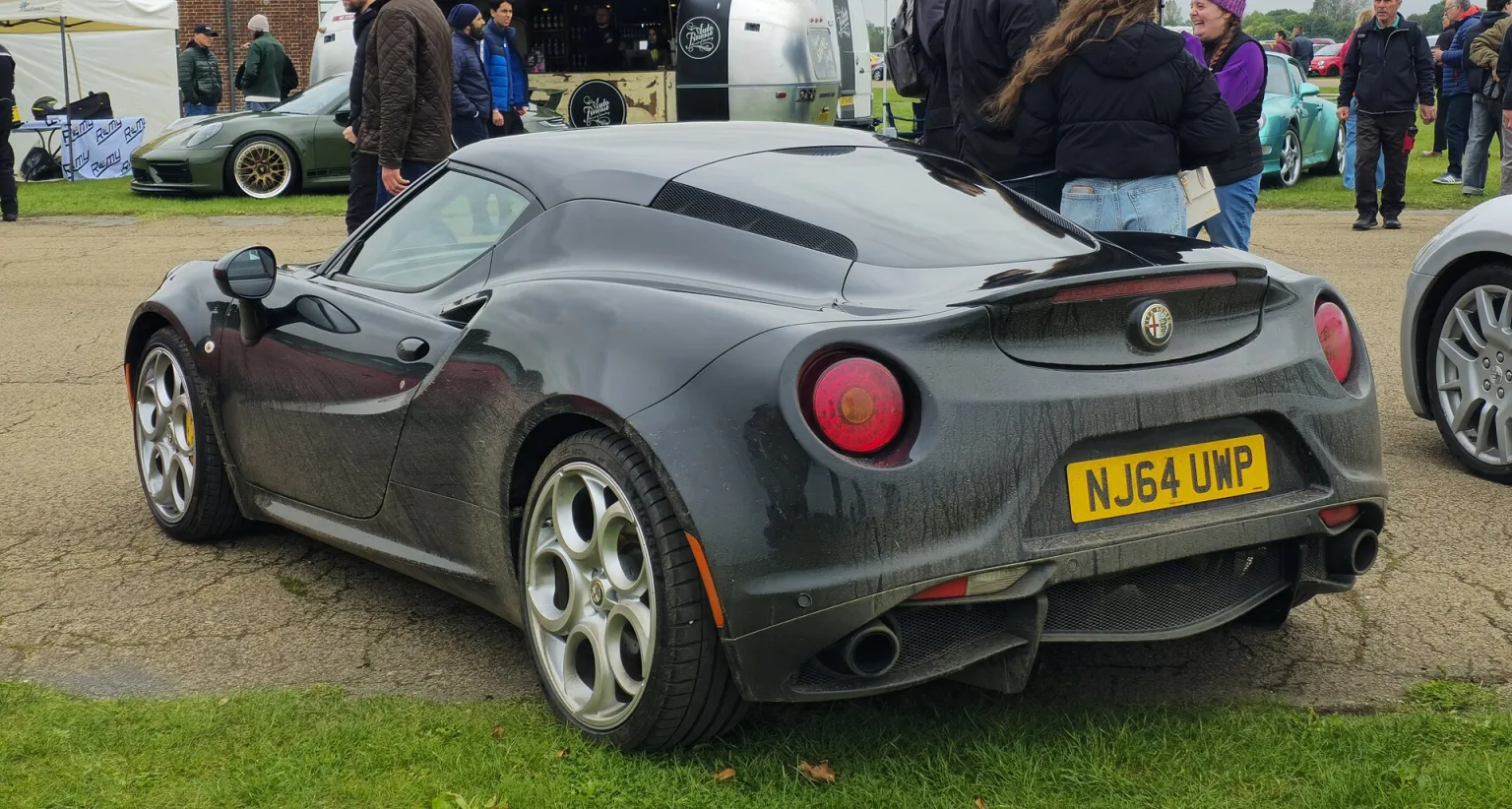
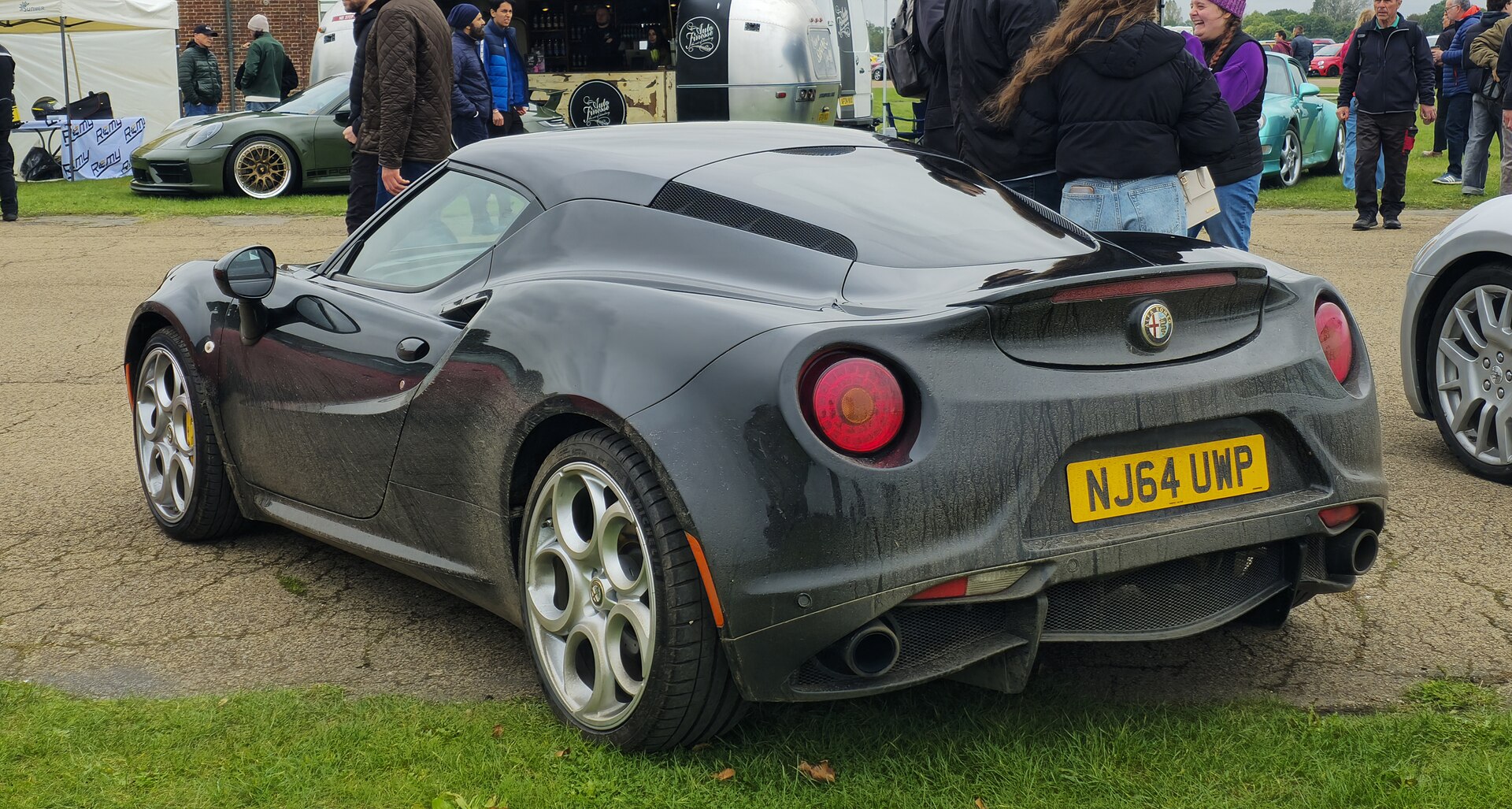
A brand new Alfa Romeo 4C crashed during the second day of the 2014 Goodwood Festival of Speed, coming to grief at the tricky Molcomb corner. The incident occurred on Saturday, 28 June, with the Italian sports car leaving the course and coming to rest in the hay bales. No injuries were reported, and the driver brought the car to a halt before any serious damage occurred.
Alfa Romeo 4C Crashes at Goodwood Festival of Speed
Details of the Incident
The crash took place at Molcomb corner, a section of the Goodwood hillclimb known for its sudden, challenging turn. This corner has a reputation for catching out both experienced and novice drivers due to its difficult approach and the speed at which cars arrive. On this occasion, the Alfa Romeo 4C left the tarmac and struck the hay bales lining the course. The impact was relatively minor, and the car was quickly brought to a stop. Spectators and marshals responded promptly, ensuring the driver was safe and the car was removed from the track without delay.
Notably, the 4C was the only car to crash on the second day of the 2014 event, despite the presence of numerous high-powered supercars. The incident did not disrupt the day’s schedule, and racing continued after the brief interruption to clear the course. The quick response by event marshals and the use of hay bales helped to minimise both risk and damage.
The Alfa Romeo 4C: Technical Highlights
The Alfa Romeo 4C made its first major UK appearance at Goodwood in 2014, drawing attention for its lightweight construction and sharp styling. Developed to re-establish Alfa Romeo’s reputation among sports car enthusiasts, the 4C features a carbon fibre tub and a focus on minimal weight. This design philosophy aims to deliver agile handling and strong on-track performance.
| Engine | 1.75-litre turbocharged four-cylinder |
|---|---|
| Power | 177 kW (240 PS) |
| Torque | 350 Nm |
| Transmission | 6-speed dual-clutch automatic |
| 0-100 km/h | 4.5 seconds |
The 1.75-litre turbocharged engine produces 177 kW (240 PS) and 350 Nm of torque, paired with a six-speed dual-clutch automatic transmission. This setup enables the 4C to accelerate from 0 to 100 km/h in just 4.5 seconds, placing it among the quicker cars in its class at the time. The emphasis on low weight and advanced materials was intended to give the 4C an edge in handling and driver engagement.
Goodwood Festival of Speed: Context and Other Highlights
The Goodwood Festival of Speed is renowned for attracting a diverse selection of rare and high-performance vehicles from around the world. The 2014 event was no exception, featuring headline appearances by the Pagani Huayra, Ferrari LaFerrari, and Porsche 918 Spyder, among others. These cars, along with the Alfa Romeo 4C, contributed to a weekend of excitement for motoring fans and industry insiders alike.
Despite the crash, the 4C’s participation at Goodwood was an important moment for Alfa Romeo as it sought to raise its profile in the UK and European markets. The brand used the event to showcase its engineering and design expertise, positioning the 4C as a symbol of its renewed commitment to sports car production. The exposure at Goodwood was seen as a step in Alfa Romeo’s broader strategy to rebuild its reputation and attract new customers ahead of future model launches.
Safety Response and Aftermath
Festival marshals were quick to attend the scene of the crash, and the 4C’s driver was able to exit the car unaided. The car itself suffered only minor damage, thanks in part to the protective hay bales at Molcomb corner. The incident did not result in any injuries, and the swift response meant the day’s programme continued with minimal disruption.
The Alfa Romeo 4C’s crash was the only such incident reported on the second day of the 2014 Goodwood Festival of Speed. While the event is known for its challenging course and fast cars, safety measures and experienced marshals help to ensure that incidents are managed efficiently and safely. The 4C was removed from the course promptly, and attention soon returned to the other vehicles taking part in the festival.