Volkswagen Race Touareg 3 targets Dakar Rally hat-trick in 2011
Volkswagen has unveiled the Race Touareg 3, a revised diesel rally car developed to defend its Dakar title in January 2011, with aerodynamic and mechanical upgrades.
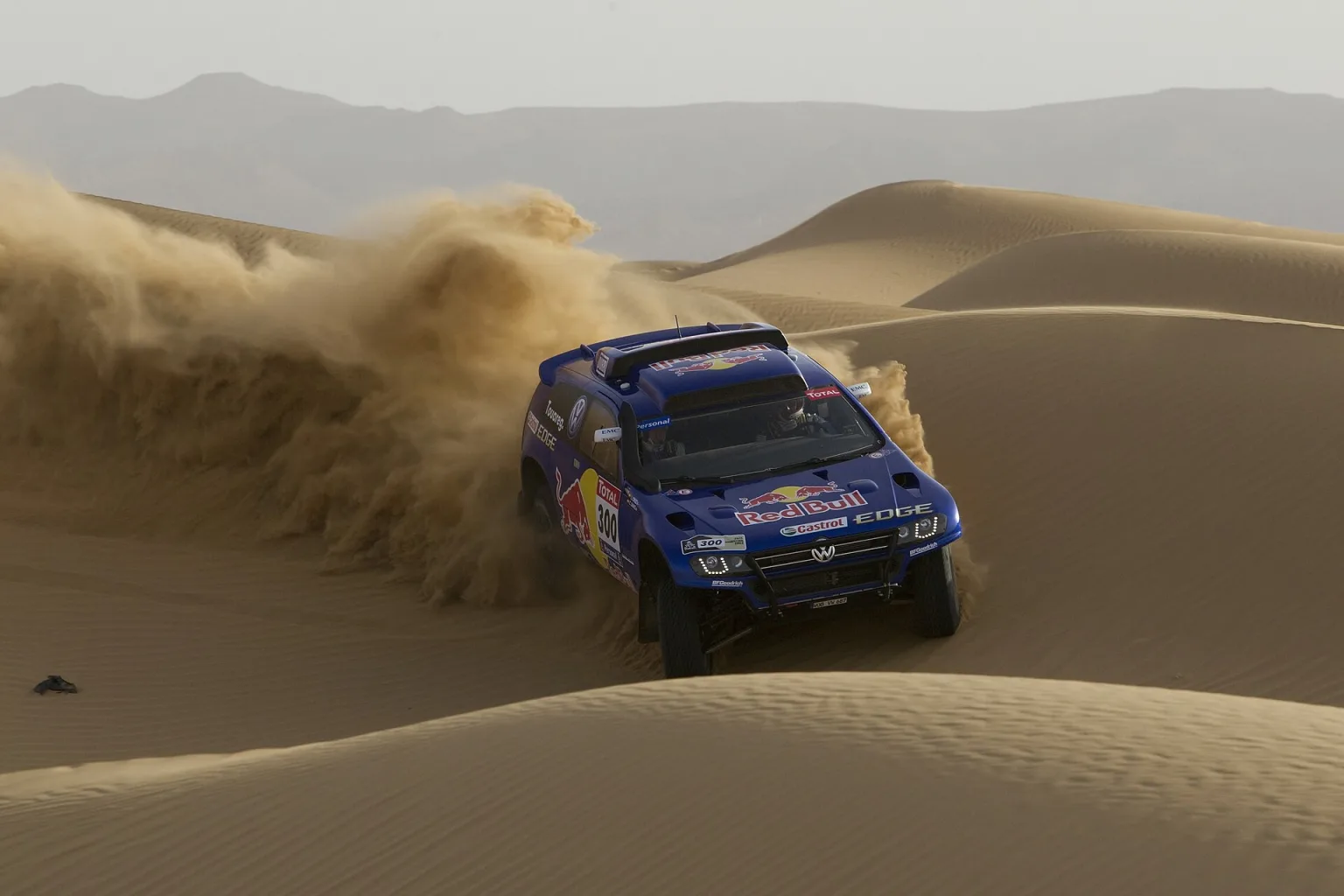
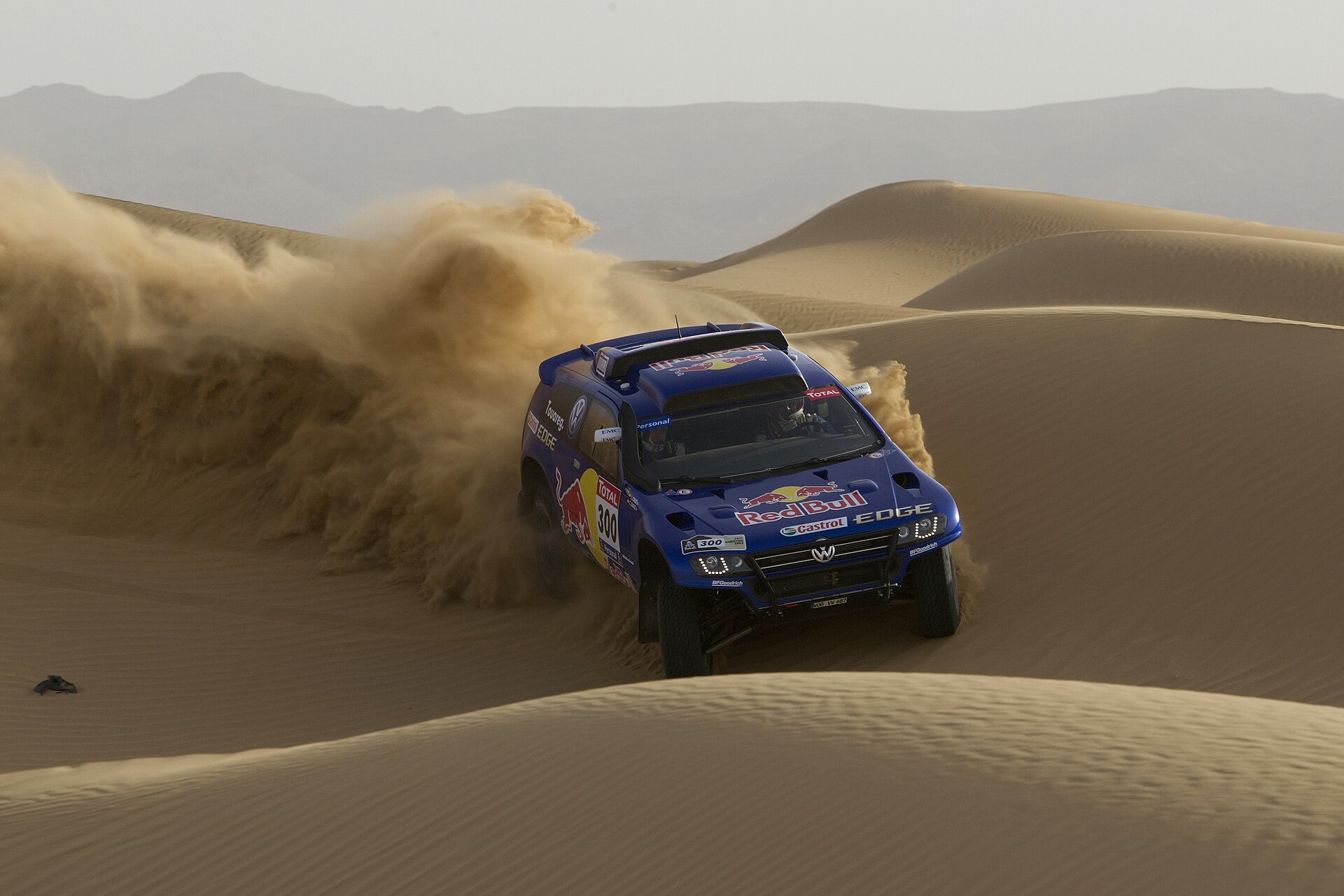
Volkswagen has introduced the Race Touareg 3, its latest diesel-powered rally contender, ahead of the 2011 Dakar Rally. The new car builds on the success of its predecessors, which secured Dakar victories in 2009 and 2010, and will lead Volkswagen’s campaign for a third consecutive win when the event begins in South America on 1 January 2011.
The Race Touareg 3 replaces the Race Touareg 2, which was the first diesel-powered car to win the Dakar. Volkswagen’s engineers have focused on both evolutionary and revolutionary changes, aiming to retain the durability of the outgoing car while extracting more speed and efficiency.
Aerodynamic and cooling improvements
Wind tunnel development has shaped the new carbon fibre and Kevlar bodywork, with particular attention to airflow and cooling. The revised roof section improves thermal management, crucial for the high-altitude Andean stages, while the new grille, LED lights and window line give the car a sharper appearance. The rear clamshell and wheels have also been redesigned for better performance and serviceability during the rally.
Beneath the bodywork, the Race Touareg 3 features a high-strength steel spaceframe chassis. Each corner is fitted with paired springs and dampers to absorb the punishment of Dakar’s rough terrain. Specially developed BF Goodrich 235/85 R16 tyres provide traction across sand, mud and gravel, and the car carries two spare wheels onboard for rapid changes during stages.
Engine and drivetrain upgrades
Volkswagen’s 2.5-litre twin-turbocharged TDI engine returns with 300 PS and 442 lbs ft of torque, but now features revised mapping and hardware to cope with the severe altitude changes of the Dakar route. The engine is paired with an upgraded five-speed sequential gearbox and a ZF-Sachs three-plate ceramic clutch, distributing power through three limited-slip differentials. Volkswagen claims the Race Touareg 3 can accelerate from zero to 62 mph in 6.1 seconds and reach a top speed of 117 mph, regardless of surface.
Volkswagen has tested the Race Touareg 3 across 10,000 kilometres of simulated rally conditions, aiming to expose any weaknesses before the real event. This testing distance exceeds the total length of the Dakar and is more than a Formula 1 car covers in a season.
Volkswagen’s Dakar ambitions for 2011
Four Race Touareg 3s will start the 2011 Dakar, driven by Carlos Sainz, Nasser Al-Attiyah, Giniel de Villiers and Mark Miller. The team’s goal is clear: secure a third straight victory and reinforce Volkswagen’s reputation for diesel endurance rallying. The manufacturer remains the only brand to have won the Dakar with a diesel engine, a point of pride as rivals continue to chase its lead in cross-country rally technology.
The Race Touareg 3’s public debut took place in Trier’s Roman amphitheatre, underlining the scale of Volkswagen’s commitment and the anticipation surrounding the 2011 event. With the new car ready and a proven driver line-up, Volkswagen enters the Dakar Rally determined to defend its title against a growing field of challengers.