China blocks ‘Ferrari’ from search engines after fatal 458 Italia crash
Chinese authorities restricted online searches for ‘Ferrari’ in 2012 following a high-profile crash involving the son of a senior Communist Party official in a 458 Italia.
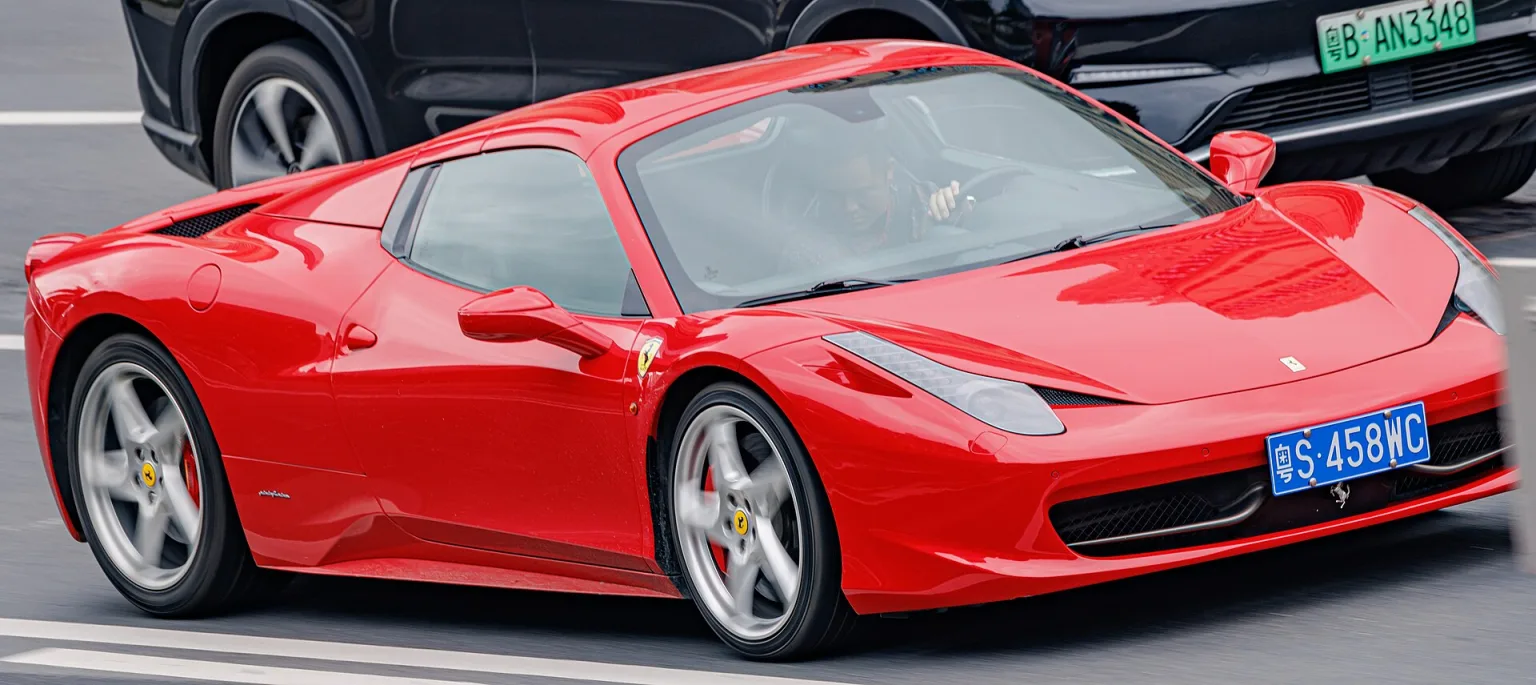
Chinese censors blocked internet searches for ‘Ferrari’ in March 2012 after a fatal crash involving a Ferrari 458 Italia in Beijing. The move followed reports that the driver, allegedly the son of senior Communist Party official Jia Qinglin, died when the supercar left the road at high speed, injuring two female passengers.
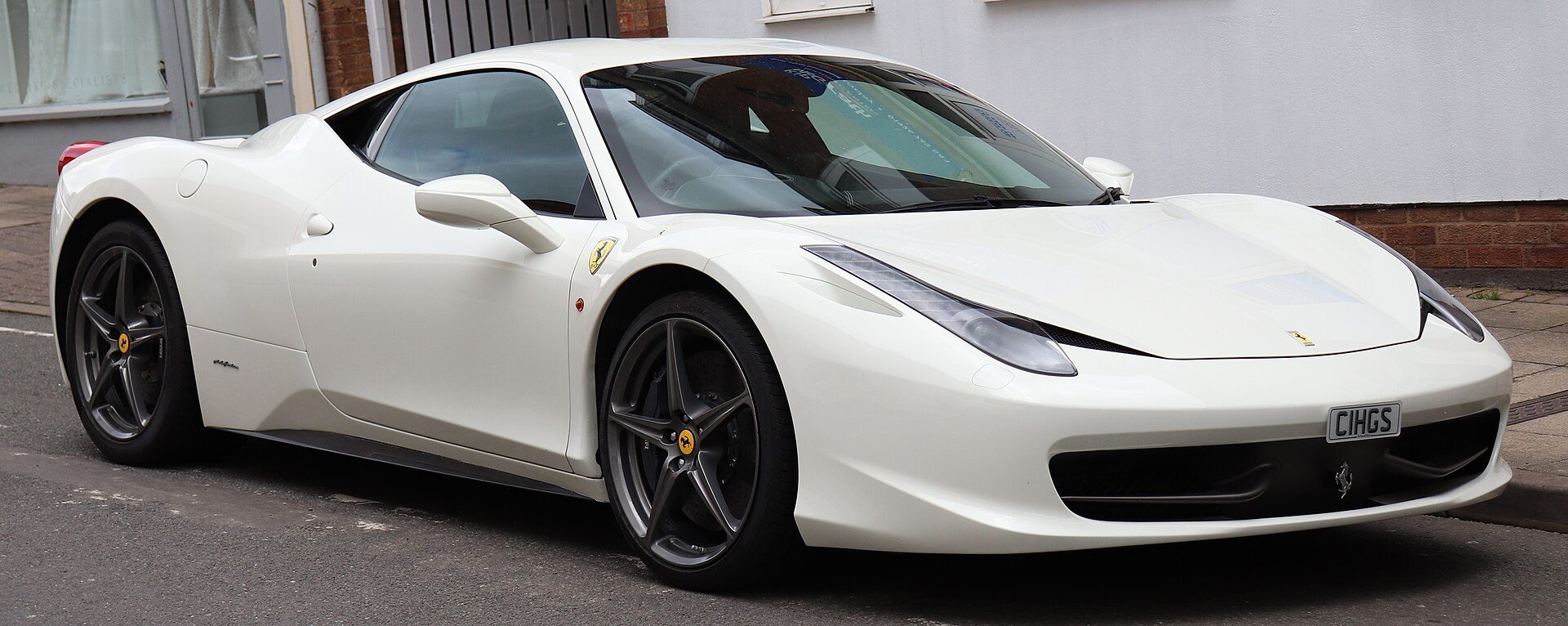
The crash occurred late at night on Beijing’s Fourth Ring Road. According to multiple reports, the 458 Italia was carrying three people, despite its two-seat configuration. All occupants were reportedly not wearing seatbelts. The driver died at the scene, while the two passengers suffered injuries. Chinese media outlets linked the driver to Jia Qinglin, who at the time was a member of the Communist Party’s Politburo Standing Committee.
Censorship response and media coverage
Soon after the incident, searches for ‘Ferrari’ and related phrases on China’s major internet portals returned no results or error messages. The censorship extended to news sites and microblogs, making it difficult for the public to access details about the crash or discuss it online. The clampdown reflected the government’s sensitivity to stories linking political elites to displays of wealth or reckless behaviour.
The incident attracted international attention, not only for the involvement of a Ferrari supercar but also for the political implications. In China, high-profile accidents involving luxury vehicles have often sparked debate about privilege, corruption and the lifestyles of the children of senior officials. The government’s decision to block search terms was seen as an attempt to contain public discussion and limit scrutiny of the political elite.
Ferrari’s position in China and aftermath
Ferrari had been expanding its presence in China, with the country becoming a key market for the brand’s V8 models including the 458 Italia. The crash and subsequent censorship came at a time when luxury car sales were rising and foreign brands were keen to avoid association with excess or controversy. There is no evidence that Ferrari itself was involved in the censorship decision or that the brand’s operations in China were directly affected by the ban on search results.
- The Ferrari 458 Italia debuted in 2009 as a mid-engined V8 supercar.
- China’s luxury car market was one of the fastest-growing in the world in 2012.
- Political scandals involving luxury cars have led to internet censorship in China before.
The Beijing crash remained a reference point in discussions about the intersection of political power, wealth and car culture in China. While the search ban was eventually lifted, the incident highlighted the risks for foreign manufacturers operating in a market where public perception and government sensitivities can change rapidly following a single event.