Opel’s Bochum Plant Closure to Exceed €500 Million in Costs
General Motors’ decision to shut Opel’s Bochum factory in 2014 will cost over €500 million, affecting more than 3,000 jobs and marking a rare German car plant closure.
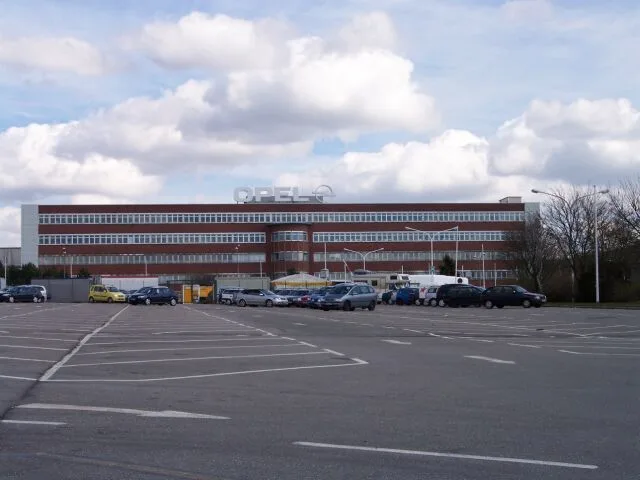
Opel’s closure of its Bochum factory in Germany is set to cost more than €500 million, as General Motors pushes ahead with restructuring its European operations. The plant, which employed over 3,000 people in car assembly and components, was scheduled to end vehicle production by the end of 2014, with the wider closure process extending into 2016.
The financial impact includes severance payments, retraining schemes, and transfer programmes for affected staff. Experts cited by Opel estimate the total bill will surpass half a billion euros, making it one of the most expensive industrial shutdowns in Germany in recent years. Around 3,100 workers were directly involved in assembly, with several hundred more in parts, logistics, and transport roles.
Impact on workers and the region
The Bochum closure marked the first time since the Second World War that a German car factory of this scale had been shuttered. The move hit not only Opel’s workforce but also the wider Ruhr region, which has long relied on heavy industry for employment. Severance packages and transition support were central to negotiations with unions and local authorities.
Opel said it would consider continuing some component manufacturing at the site after 2016, and that its replacement parts warehouse in Bochum would remain in operation. Nevertheless, the loss of vehicle production ended more than half a century of car assembly at the plant.
GM’s European strategy and financial context
General Motors’ decision to close Bochum was part of a wider effort to stem heavy losses in Europe. Opel’s parent company reported losses of $844 million in 2013 and €1.9 billion the previous year, with accumulated losses since 1999 exceeding $18 billion. The company aimed to return its European operations to profitability by 2015.
The Bochum closure was announced as GM also prepared to withdraw the Chevrolet brand from Europe, a move expected to cost around $1 billion. The company hoped that existing Chevrolet customers in Europe would migrate to Opel, helping to stabilise market share after the factory shutdown.
What happens to the Bochum site?
While car production ended in 2014, Opel indicated it might continue some component activities at Bochum beyond 2016. The parts warehouse was set to remain open, but the end of vehicle assembly marked a major shift for the site and its workforce. The closure followed extended negotiations with unions and local government, as well as public protests from employees seeking to keep the plant open.
For more on the background to the Bochum closure and GM’s restructuring plans, seeGM confirms 2016 closure of Opel Bochum plant, ending over 50 years of production.