Volkswagen Targets Male Buyers With Redesigned Beetle
VW’s 2012 Beetle drops the flower vase and domed roof for a lower, wider look, aiming to balance its appeal between men and women and attract younger drivers.

Volkswagen has revealed a thoroughly redesigned Beetle for 2012, aiming to shake off its reputation as a "chick car" and court male buyers with a more assertive look and stronger performance. The new model, which goes on sale in the US in September, features a lower, wider stance, a higher beltline and a less bulbous roof, moving away from the retro cues that defined the 1998 New Beetle.
Volkswagen executives say the changes are deliberate. Rainer Michel, Volkswagen of America's vice president of product marketing and strategy, expects the proportion of male buyers in the US to rise from around 35 percent for the outgoing model to nearly half for the new car. The average buyer age is also projected to drop from 58 to 36. VW hopes the Beetle’s broader appeal will help lift showroom traffic and support its ambitious target of tripling US sales by 2018.
The outgoing New Beetle, launched in 1998, leaned heavily on nostalgia, with its rounded shape and dashboard flower vase. That design resonated with women, over 60 percent of US buyers were female, the highest for any car model, but limited the car’s reach. The 2012 Beetle, by contrast, is 6 inches longer, 3.3 inches wider and half an inch lower, with a more coupe-like profile and a blunter, squared-off nose. The flower vase is gone, and the interior gets a larger boot, more upscale materials and ambient lighting. VW says the styling tested well with both men and women in North America and Europe, and China is seen as a growth market.
Engines, pricing and features
At launch, US buyers will have a choice of a 170-horsepower, 2.5-litre five-cylinder petrol engine or a 200-horsepower turbocharged four-cylinder. A turbodiesel will follow in spring 2012, with a convertible due in early summer. Pricing starts at $19,765 for the base model and $24,165 for the turbo, including shipping. The car is built in Puebla, Mexico, sharing its platform and mechanicals with the Jetta sedan.
| Base engine | 2.5-litre inline five-cylinder, 170 hp |
|---|---|
| Turbo engine | 2.0-litre turbocharged four-cylinder, 200 hp |
| Diesel engine (from 2012) | TDI, up to 40 mpg (est.) |
| Base price (US) | $19,765 incl. shipping |
| Turbo price (US) | $24,165 incl. shipping |
VW’s Andres Valbuena, manager of Beetle product marketing and strategy, says the new car is intended to be “more upscale” and to tie in visually with the rest of the Volkswagen range. Standard equipment includes touchscreen navigation, Bluetooth and ambient lighting, with the turbo model adding an integrated rear spoiler and 18-inch alloys. The boot is larger and the interior more refined than before.
A calculated risk for Volkswagen
Moving the Beetle’s image away from “cute” is a calculated risk. The car’s distinctive shape and friendly character have been central to its identity for decades, and some long-time fans may not welcome the tougher look. VW insists it is not abandoning its female customer base, but is seeking to broaden appeal. Company surveys suggest that men like the more aggressive stance, but the response from women is mixed, some see the change as overdue, others as a slight to loyal buyers.
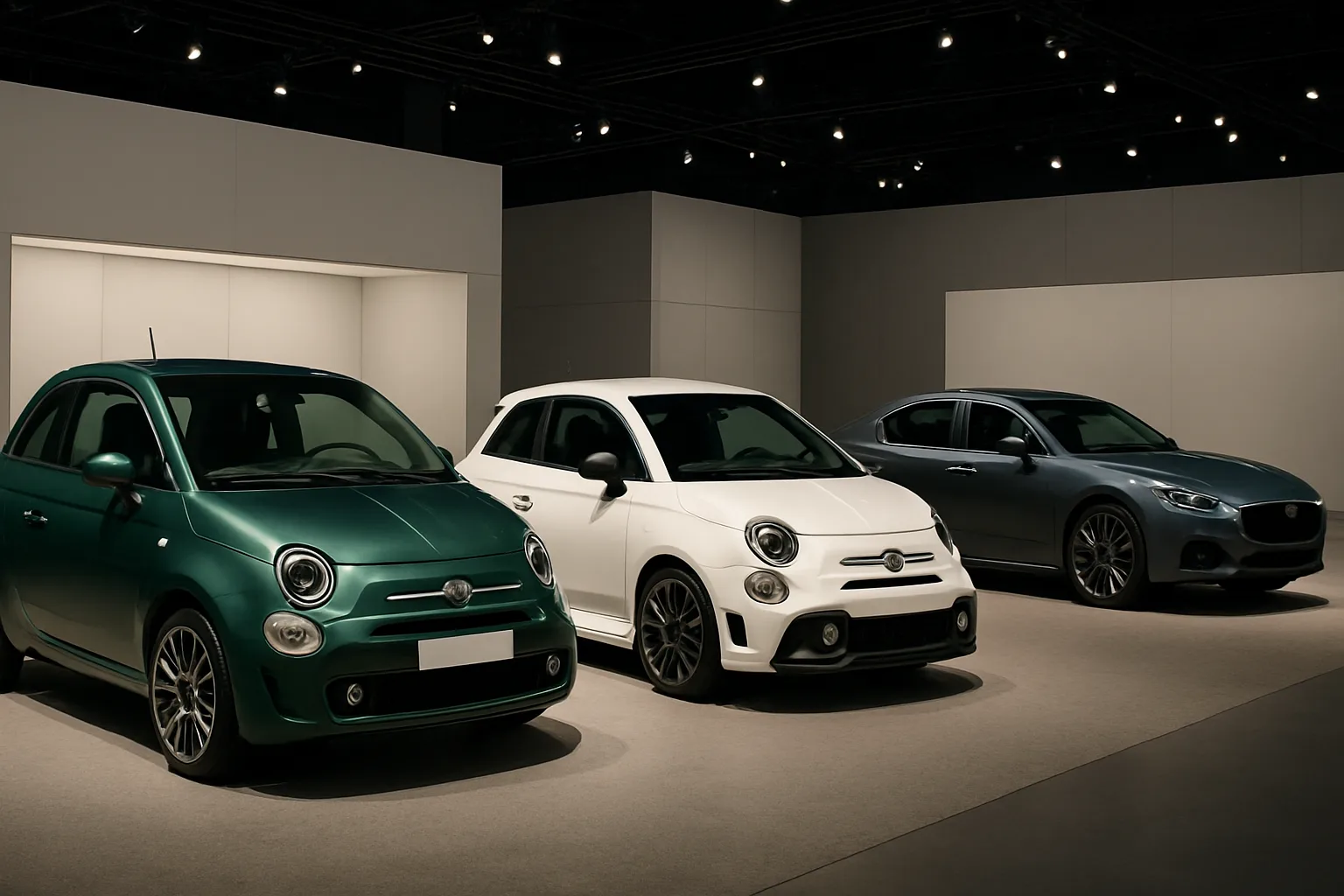
The Beetle enters a far more crowded field than in 1998, with rivals such as the Mini, Fiat 500, Scion tC, Ford Mustang and Chevrolet Camaro all targeting style-conscious buyers. VW does not expect to match the Beetle’s 1999 US sales peak of 83,434 units, but aims to improve on last year’s 16,537. The company’s wider sales ambitions rest on high-volume models like the Jetta and Passat, but the Beetle remains a key part of the brand’s image.
What the redesign means for buyers
For buyers, the 2012 Beetle offers more space, more power and a less polarising design. The base engine is more powerful than before, and the turbo model aims to attract driving enthusiasts. The diesel option, expected to reach up to 40 mpg, will appeal to those prioritising fuel economy. VW’s hope is that the new Beetle will no longer be pigeonholed as a car for women or nostalgia-seekers, but as a credible choice for a broader range of drivers.
Whether the new approach will pay off in sales remains to be seen, but Volkswagen’s attempt to rewrite the Beetle’s image is one of the most deliberate repositionings of a modern automotive icon.